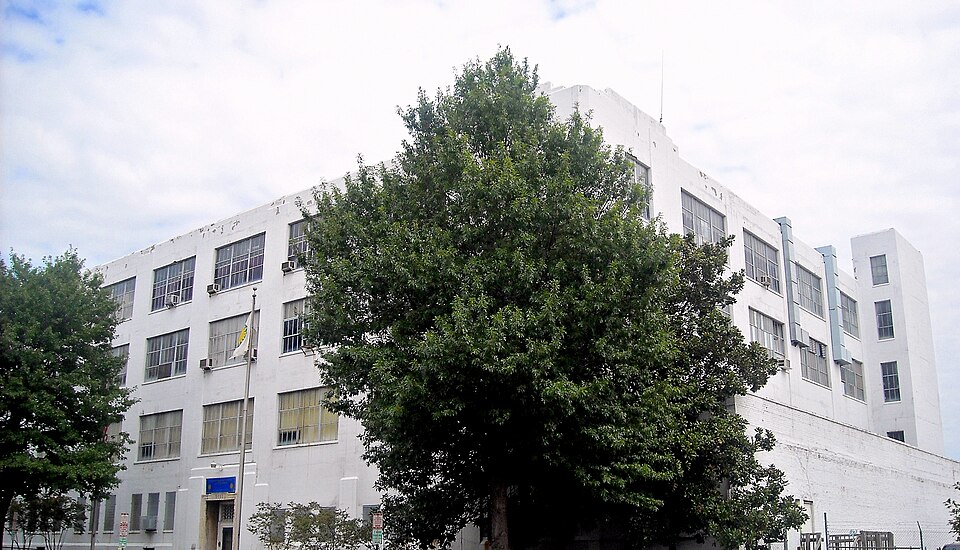
DHS Mega ICE Detention Plan In Georgia Town Fuels Local Backlash Over 10,000-Bed Facility
The Department of Homeland Security bought a massive Georgia warehouse to convert into a 7,500-10,000-bed ICE detention center in Social Circle. The 1.2 million square foot industrial building was purchased for about $129 million and plans include 80 detention blocks, processing rooms, court services, and special management units. Local officials say they first learned of the sale through media reports in December and that DHS has not answered months of questions about water, sewage, and safety. Residents and town leaders warn aging water lines and a limited sewage system cannot handle an estimated 1,001,683 gallons of daily wastewater from the facility, and the site sits near an elementary school.
The Social Circle project fits a wider DHS push to expand detention capacity, an initiative that aims for 92,600 beds nationwide by the end of September. Detention counts have surged this year, with ICE populations rising from roughly 35,000 a year ago to about 68,000 by early April, while enforcement operations have included roughly 400,000 arrests since January 2025. Reporters say the strategy has favored rural and suburban sites with already stressed utilities, and similar mega-centers are planned or in use near Merrimack, New Hampshire, and around Salt Lake City and Phoenix.
Coverage of the program has shifted from abstract national debates about enforcement to close looks at local impacts and secrecy around site selection. Investigations by MS NOW identified Social Circle as the site and laid out infrastructure calculations and local anger, while the Christian Science Monitor confirmed the $129 million purchase and documented the broader pattern of placements. That new reporting redirected attention to town halls, prayer vigils, a padlocked water meter, and residents, many Trump supporters, saying they feel abandoned by Republican leaders. Social media amplified the backlash, with local posts and hashtags drawing statewide attention and pressuring officials to respond.
📌 Key Facts
- DHS bought a 1.2-million-square-foot industrial building in Social Circle, Georgia (pop. ~5,000) to convert into an ICE detention center with projected capacity of 7,500–10,000 detainees; the property was purchased for $129 million as part of the Trump administration’s mass‑deportation/enforcement push and had been developed by PNK for a private logistics tenant before the sale to DHS.
- Planned internal layout for the Social Circle site includes about 80 detention blocks, multiple special‑management units, offices, court services, processing rooms, and support and administrative functions.
- Local officials say they first learned of the DHS purchase in December from media reports and that DHS has not answered months of questions about infrastructure, safety, and water sourcing; the town manager padlocked the site’s water meter pending DHS explanations.
- Local opposition has included prayer vigils and heated town halls; residents and officials cite specific concerns about aging water lines, limited sewage capacity, proximity to an elementary school, and an estimated 1,001,683 gallons of daily sewage/wastewater from the facility.
- The project has produced a political rift in Social Circle: residents who backed Donald Trump by more than 70% in recent presidential elections say they feel abandoned by their Republican congressman and governor and many now oppose the detention center, reflecting broader tensions among voters who prioritized immigration.
- Nationally, ICE detention has expanded sharply: the detained population rose to roughly 60,000–68,000 in early April (up from ~35,000 a year earlier); DHS aims to raise ICE capacity to about 92,600 beds by the end of September through a “detention re‑engineering initiative”; roughly 400,000 arrests have occurred since January 2025, and more than 70% of those detained had no criminal convictions.
- The Social Circle site is part of a broader pattern of expansion: by late 2025 the administration was using about 100 additional detention facilities across 50 states and territories (including rented local jail beds), and roughly 20 new mega‑detention facilities have been sited in rural and suburban areas with strained utilities (examples include Merrimack, N.H., and areas near Salt Lake City and Phoenix).
📰 Source Timeline (3)
Follow how coverage of this story developed over time
- Confirms DHS bought the Social Circle, Georgia industrial building for $129 million specifically as part of the Trump administration's immigration enforcement campaign.
- Provides updated ICE enforcement data: roughly 400,000 arrests since January 2025 and more than 60,000 people in detention as of early April, over 70% with no criminal convictions.
- Reports that by late 2025 the administration was using about 100 additional detention facilities across 50 states and territories, including local jails where ICE rents beds.
- Details that opposition in Social Circle includes prayer vigils, heated town halls, and the town manager padlocking the site's water meter until DHS explains its water sourcing.
- Places Social Circle within a broader pattern of about 20 new mega detention facilities sited in rural and suburban areas with already stressed utilities, including in Merrimack, New Hampshire and areas near Salt Lake City and Phoenix.
- Notes that over three-quarters of Georgia voters who named immigration as their top issue backed Trump in 2024, yet many now oppose these centers, highlighting a political rift.
- Identifies Social Circle, Georgia (population about 5,000) as the specific town where DHS bought a 1.2 million-square-foot warehouse to convert into an ICE detention center for 7,500-10,000 detainees.
- Details that local officials first learned of the DHS purchase in December through media reports and say DHS has not answered months of questions about infrastructure and safety.
- Describes local concerns about aging water lines, limited sewage capacity, proximity of the site to an elementary school, and an estimated 1,001,683 gallons of daily sewage and wastewater from the facility.
- Reports that Social Circle residents, who backed Donald Trump by more than 70% in three presidential elections, feel abandoned by their Republican congressman and governor, who they say have been absent from public meetings.
- Names the developer PNK and explains the warehouse was originally built and approved with a private logistics tenant in mind before being sold to DHS after the administration’s mass-deportation push.
- Provides fresh systemwide numbers: DHS aims to raise ICE capacity to 92,600 beds by the end of September via a 'detention re-engineering initiative'; ICE detention population reached about 68,000 as of April 4, up from roughly 35,000 a year earlier.
- Describes planned internal layout of the Social Circle facility, including 80 detention blocks, multiple 'special management units,' offices, court services, processing rooms, and support functions.