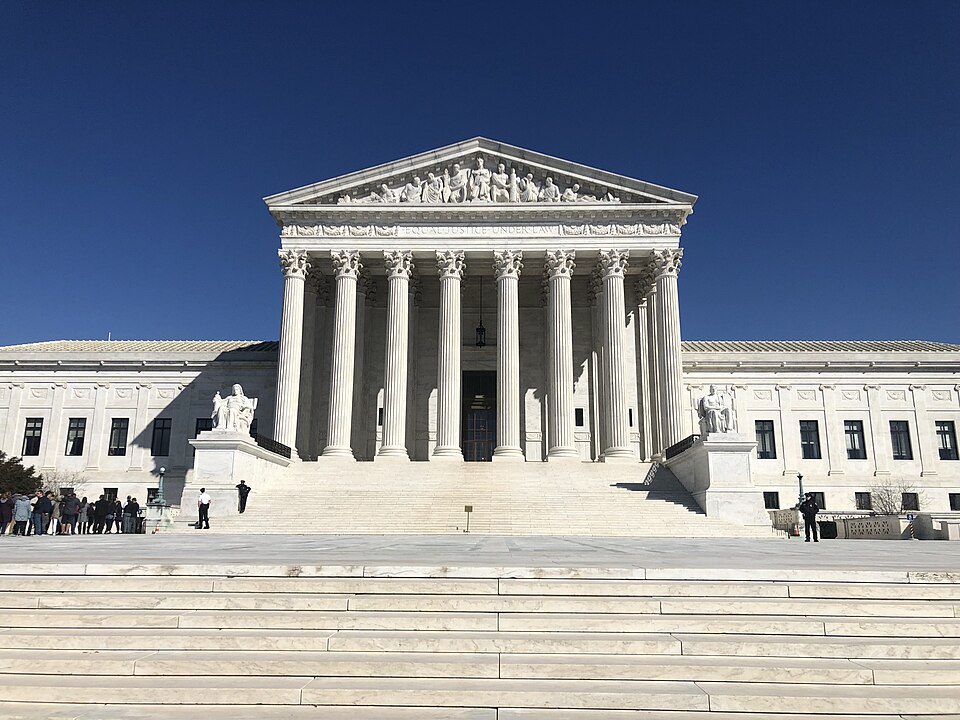
Jackson Issues Solo Dissent As Supreme Court Backs D.C. Police Stop
Justice Ketanji Brown Jackson issued a solo dissent after the Supreme Court agreed to review a Washington, D.C., police-stop case. She scolded her colleagues for taking up what she called a routine matter and for drawing the high court into day-to-day policing decisions. Her written dissent warns that the court's intervention could have broad consequences for how police stops are judged across lower courts.
The case centers on a common street stop in the nation's capital and raises questions about how the Fourth Amendment protects people during brief encounters with police. Legal scholars note the court's willingness to decide such matters can reshape policing standards nationally and affect thousands of routine stops each year.
The dissent drew quick reaction from commentators, with some praising Jackson for defending limits on the court and others urging clarity for law enforcement. As the high court moves toward briefing and oral argument, observers say the outcome could set a precedent that alters police training and local court practices.
📌 Key Facts
- Supreme Court issued an 8-2 per curiam decision reversing the D.C. Court of Appeals and upholding the police stop.
- Justice Ketanji Brown Jackson filed the only full dissent, criticizing the Court for intervening in a routine, factbound Fourth Amendment case.
- The majority stressed a totality-of-the-circumstances test, including two passengers fleeing a car at 2 a.m., as sufficient for reasonable suspicion.
📰 Source Timeline (1)
Follow how coverage of this story developed over time