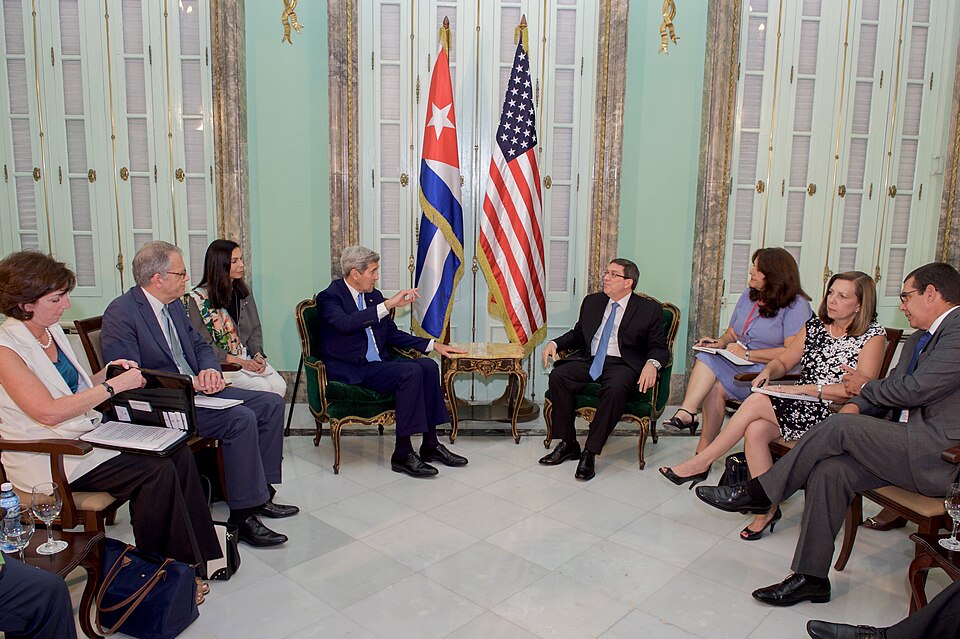
U.S. Delegation Presses Cuba In Havana Talks On Sanctions, Repression And Starlink Internet
A U.S. delegation visited Havana last week to press Cuba on sanctions, political repression and a proposed Starlink internet link. The talks in Havana aimed to make sanctions relief conditional on ending political repression, releasing prisoners and opening parts of the Cuban economy. U.S. negotiators also discussed providing a free, reliable Starlink satellite connection to improve internet access on the island.
ABC News reported this was the first U.S. government flight to land in Cuba outside Guantanamo Bay since 2016. The U.S. team met Raul Guillermo Rodriguez Castro, the grandson of former leader Raul Castro, who is believed to hold informal influence. ABC also clarified that Senator Marco Rubio was not part of the Havana delegation, despite prior contact with Rodriguez Castro in St. Kitts and Nevis. Cuban President Miguel Diaz-Canel used a public speech to say Cuba is ready to confront and, if needed, defeat any U.S. military aggression. Social media posts, including from CBS News' Facebook page, framed the trip as taking place amid heightened U.S. pressure under the Trump administration.
Earlier coverage stressed the long freeze in formal U.S.-Cuba government travel and general criticism of Cuba's human rights record. Newer reporting, led by ABC News, adds detail on specific U.S. demands and a U.S. offer for Starlink service as part of a possible deal. That shift moves the story from broad diplomacy to concrete bargaining over technology, prisoners and economic openings.
📌 Key Facts
- The trip was the first U.S. government flight to land in Cuba outside Guantanamo Bay since 2016.
- The U.S. delegation pressed Cuba for easing sanctions in exchange for ending political repression, releasing political prisoners, and liberalizing Cuba's economy; talks included a U.S. proposal to provide free, reliable internet via a Starlink satellite connection.
- The U.S. delegation met Raul Guillermo Rodriguez Castro, the grandson of Raul Castro, who is believed to wield informal influence in Cuba.
- Secretary of State Marco Rubio was not part of the Havana delegation, despite prior contact with Raul Guillermo Rodriguez Castro in St. Kitts and Nevis.
- Cuban President Miguel Díaz-Canel publicly said Cuba is prepared to confront and, if necessary, defeat any U.S. military aggression.
📰 Source Timeline (2)
Follow how coverage of this story developed over time
- Confirms the trip was the first U.S. government flight to land in Cuba outside Guantanamo Bay since 2016.
- Reveals that the U.S. delegation met Raul Guillermo Rodriguez Castro, grandson of Raul Castro, who is believed to wield informal influence.
- Details specific U.S. demands in exchange for easing sanctions: end to political repression, release of political prisoners and liberalization of Cuba's economy.
- Discloses that the sides discussed a U.S. proposal to provide free and reliable internet via a Starlink satellite connection.
- Reports Cuban President Miguel Diaz-Canel's public speech stating Cuba is prepared to confront and, if necessary, defeat any U.S. military aggression.
- Clarifies that Secretary of State Marco Rubio was not part of the Havana delegation, despite prior contact with Raul Guillermo Rodriguez Castro in St. Kitts and Nevis.