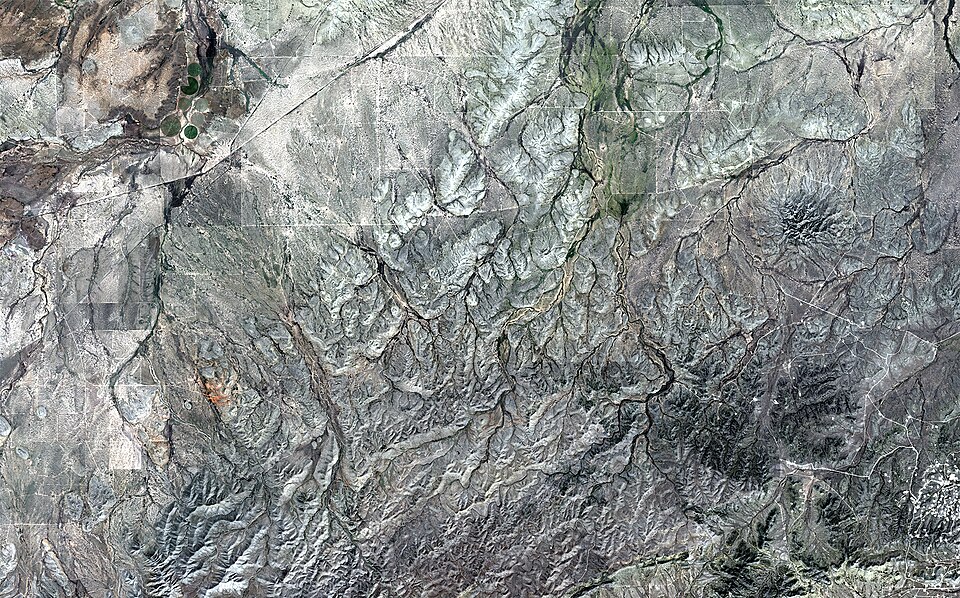
Record U.S. Drought Raises Wildfire, Water Shortage And Food Price Risks
U.S. meteorologists and federal officials say a record drought this year is raising wildfire, water and food price risks across parts of the country. Officials say the drought is most severe in the West and extends into the Midwest and Southern Plains. That has left rivers low and reservoirs significantly reduced, increasing strain on cities, farmers and ranchers who depend on stored water.
Hotter, drier conditions make wildfires more likely and harder to control, stretching firefighting resources and threatening homes and infrastructure. For agriculture, reduced soil moisture and lower irrigation supplies risk smaller harvests and higher meat and produce prices at grocery stores. The story has drawn widespread attention on social platforms, where residents share images of parched land and express concern about water restrictions and food costs.
📌 Key Facts
- More than 61% of the Lower 48 states are in moderate to exceptional drought, including 97% of the Southeast and about two-thirds of the West.
- NOAA's Palmer Drought Severity Index recorded its highest March level since 1895, and March was the third-driest month on record after July and August 1934.
- Vapor pressure deficit in the West is 77% above normal and more than 25% higher than the previous January–March record, indicating unprecedented atmospheric moisture demand.
- New Mexico, Arizona, Colorado and Utah are experiencing record-low snowpack, threatening Colorado River water supplies and increasing wildfire risk.
- NOAA calculates it would take 19 inches of rain in one month to erase drought in eastern Texas and more than a foot across much of the Southeast.
📰 Source Timeline (1)
Follow how coverage of this story developed over time