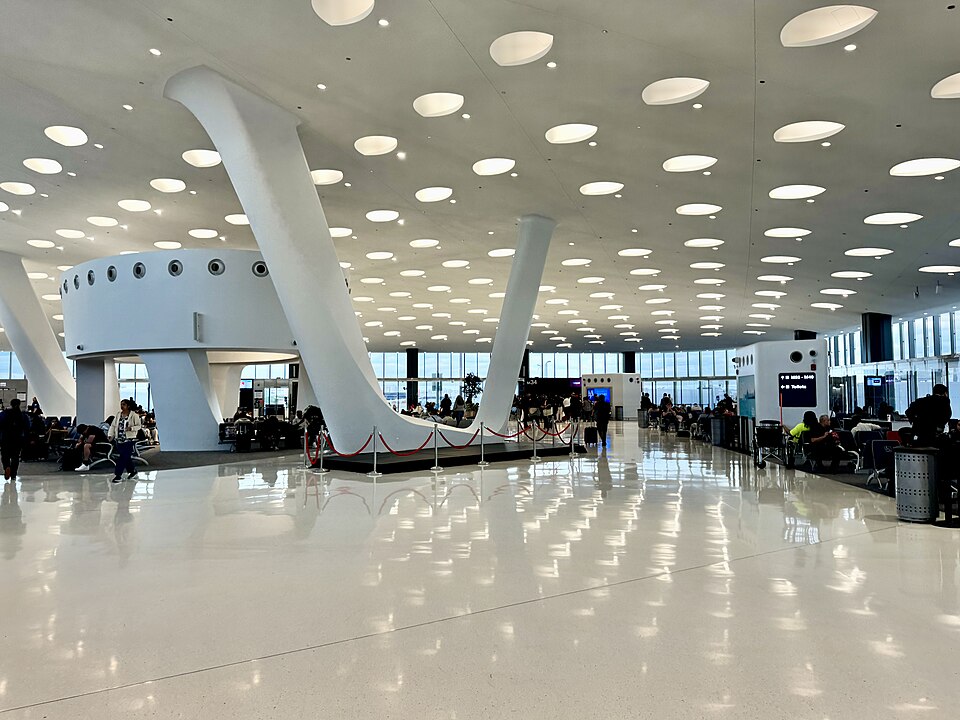
FAA Caps Scheduled Flights at Chicago O'Hare to Reduce Delays
The Federal Aviation Administration this year moved to cap scheduled flights at Chicago O'Hare International Airport, ordering airlines to reduce planned departures and arrivals in an effort to curb chronic delays that have plagued one of the nation's busiest hubs. The decision reflects mounting operational strain: in Summer 2025 O'Hare's on-time performance hovered around 75 percent, with three-quarters of delayed arrivals and departures meeting the threshold for a reportable delay of 15 minutes or more. Officials cited persistent air traffic controller staffing shortages and ongoing construction work that is constraining capacity as central reasons the FAA concluded targeted limits were necessary to prevent cascading disruptions across the national system.
The limits come against a backdrop of heavy passenger volume—O'Hare handled roughly 34.2 million travelers in 2025—which amplifies the impact of any bottleneck. Reactions on social media illustrated the split in public and policy framing: former Transportation Secretary Ray LaHood and pro-competition accounts praised the cap as a corrective to what they call aggressive scheduling by carriers that can inhibit competition, while others argued the FAA was right to step in because airlines do not sufficiently self-police. Transportation policy observers used the moment to press for congressional funding to modernize staffing and infrastructure, saying the caps are a necessary short-term fix tied to longer-term safety and capacity questions; critics meanwhile framed the move as government overreach that risks picking winners and losers among airlines.
Coverage of the issue has shifted in tone over recent months. Early reporting emphasized airline scheduling decisions and weather-related variability as the drivers of delays; more recent pieces, spearheaded by outlets such as The New York Times, have placed greater weight on systemic constraints—controller staffing shortfalls, large-scale construction at O'Hare, and the knock-on effects on competition and reliability—and on the FAA's willingness to use regulatory tools to manage airport capacity. That evolution in reporting has broadened the debate from immediate operational fixes toward calls for sustained investment and policy changes to prevent recurring congestion.
📊 Relevant Data
In Summer 2025, Chicago O'Hare International Airport had an on-time performance rate of approximately 75%, with 75% of delayed arrivals and departures being reportable delays of 15 minutes or longer.
Operating Limitations at Chicago O'Hare International Airport — Federal Register
Air traffic controller staffing shortages are a key contributing factor to the FAA's decision to cap flights at Chicago O'Hare Airport.
FAA Flight Reductions at Major Hubs and What They Mean for Airspace Capacity and Uncrewed Aviation — Commercial UAV News
In 2025, Chicago O'Hare International Airport handled approximately 34.2 million passengers, making it one of the busiest airports by passenger volume.
O'Hare reclaims top spot, named nation's busiest airport in 2025 — Chicago Sun-Times
Ongoing construction projects at Chicago O'Hare Airport are contributing to capacity constraints, exacerbating delays and necessitating the flight cap.
Operating Limitations at Chicago O'Hare International Airport — Federal Register
📌 Key Facts
- The FAA has imposed a cap on the number of scheduled flights at Chicago O’Hare International Airport.
- The action was taken in April 2026 to address persistent delays and congestion at the major hub.
- The cap is expected to force airlines to adjust schedules and could impact travelers across the national air network.
📰 Source Timeline (1)
Follow how coverage of this story developed over time