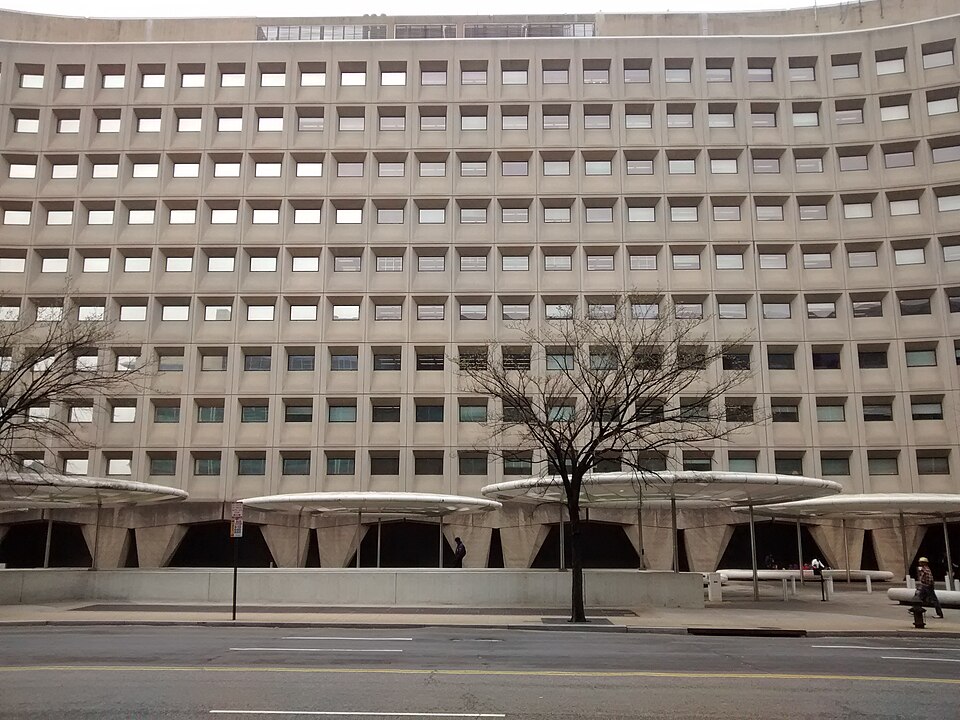
HUD Staff Launch Anonymous Site Alleging Trump Officials Are Gutting Fair Housing Enforcement
A group of current Department of Housing and Urban Development employees recently launched an anonymous website, described in an NPR report, saying political appointees in the Trump administration have been blocking career staff from carrying out fair housing enforcement. The site, which employees say is intended to alert the public and document internal directives, accuses officials of narrowing enforcement priorities, slowing investigations and refusing to bring or settle cases that staff believe would address systemic discrimination. The allegations come from career HUD workers who say the changes are occurring in Washington while enforcement resources and decision-making are being shifted toward other priorities.
Those claims come against the backdrop of continuing high volumes of housing discrimination complaints nationwide: in 2024 there were 32,321 complaints, with disability the basis for more than half (17,645 complaints, or 54.6%), race accounting for about 15.6% (5,034 complaints), and national-origin complaints rising 8.5% year over year to 1,836 — the highest since 2018. Housing advocates note that enforcement tools such as disparate-impact liability, which has been used to challenge policies like blanket bans on applicants with criminal records and has produced settlements requiring policy changes and compensation, depend on active investigation and willingness to bring test cases; if investigators and prosecutors are being blocked or deprioritized, advocates warn that systemic practices that disproportionately harm protected groups may go unchecked.
Public reaction has been amplified on social media, where posts from the anonymous site have been shared widely by tenant-advocacy groups and civil-rights organizations keen to highlight specific enforcement examples, while critics have pushed back on the use of anonymity and argued administrative changes reflect policy priorities rather than obstruction. Coverage of HUD has shifted in recent weeks: earlier reporting largely documented personnel changes and policy rollbacks at HUD under the administration, but the new reporting driven by the NPR piece and the anonymous site's revelations focuses on internal, on-the-ground obstruction of casework and the lived consequences for people filing complaints. That shift has moved the conversation from abstract policy debates to concrete questions about whether the department is effectively using its legal tools to combat housing discrimination.
📊 Relevant Data
In 2024, there were 32,321 housing discrimination complaints filed nationwide, with disability as the basis for 54.59% (17,645 complaints), race for 15.58% (5,034 complaints), sex for 7.13% (2,304 complaints), and national origin for 5.68% (1,836 complaints).
2025 Fair Housing Trends Report — National Fair Housing Alliance
National origin-based housing discrimination complaints increased by 8.45% from 1,693 in 2023 to 1,836 in 2024, marking the highest number since 2018.
2025 Fair Housing Trends Report — National Fair Housing Alliance
Disparate impact liability has been used in cases where housing policies, such as blanket bans on applicants with criminal records, disproportionately affect protected groups, leading to settlements requiring policy changes and compensation.
Barred from Housing: The Discriminatory Impacts of Criminal Background Checks — Thurgood Marshall Institute
📌 Key Facts
- On April 16, 2026, current and former HUD employees launched DearAmericaletters.org to anonymously describe alleged suppression of fair housing enforcement under the Trump administration.
- Former HUD civil‑rights attorney and AFGE Local 476 union steward Paul Osadebe says staff are barred from taking on cases involving race or gender and that enforcement 'has ground ... to a halt.'
- HUD Secretary Scott Turner has publicly called prior DEI‑driven fair‑housing enforcement 'weaponized,' moved to end disparate‑impact liability, and is investigating Boston, Minneapolis and Washington state over race‑conscious housing plans.
- Internal HUD memos direct staff to eliminate certain priorities — including gender‑identity, environmental‑justice and some race‑based cases — and HUD is refusing to reimburse states for discrimination cases based on sexual orientation, gender identity, criminal record, voucher use or English proficiency, prompting a lawsuit by 15 states and D.C.
📰 Source Timeline (1)
Follow how coverage of this story developed over time