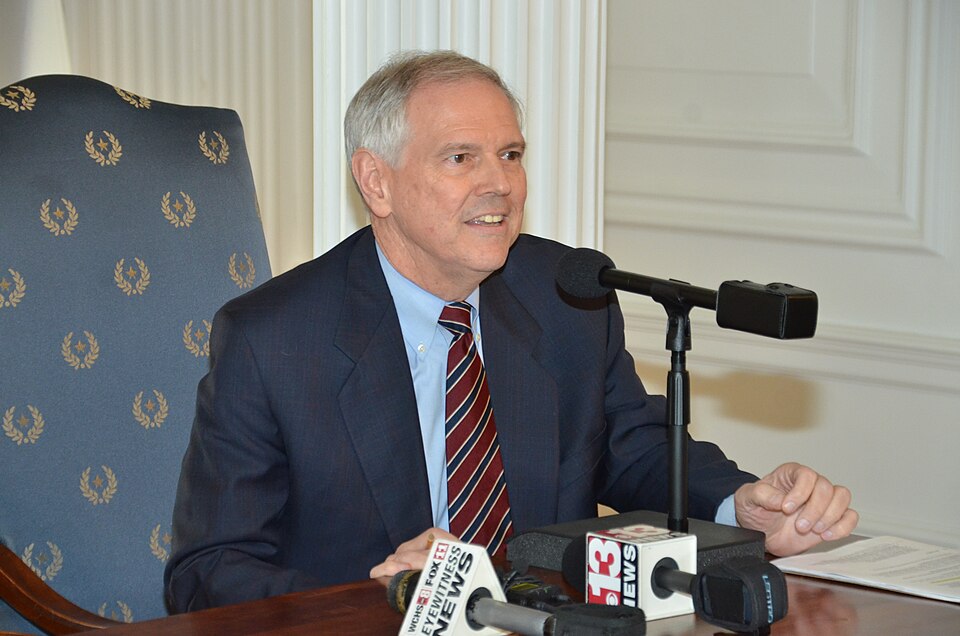
Philadelphia Mayor Defends $1 Rideshare Tax to Avert School Cuts
Philadelphia Mayor Cherelle Parker has defended a proposed $1-per-ride rideshare tax in Philadelphia, saying the levy is necessary to close a school district budget gap and avert cuts that would otherwise cost roughly 340 at-risk school-based jobs. City leaders say the shortfall stems from the end of federal pandemic relief funds combined with rising teacher salaries, benefits and charter school costs, and the mayor has pushed back against a high-profile ad campaign by Uber and Lyft that urges Philadelphians to oppose the measure.
The debate has brought equity and precedent into the conversation. Philadelphia has one of the highest percentages of Lyft trips that start or end in low-income neighborhoods among U.S. markets, a fact advocates cite when arguing the tax could be levied fairly or used to support communities that rely on rideshares. Supporters point to other cities with similar levies — San Francisco’s 2020 policy, for example, taxes shared rides at 1.5% and single-occupant rides at 3.25% (with discounts for electric vehicles) and directs revenue toward transit improvements — as evidence that a rideshare tax can raise funds without wrecking local mobility. At the same time, ride-hailing companies and some residents warn it will raise consumer costs.
Public reaction is divided and visible on social media and in local reporting. Mayor Parker and her office have argued the tax is crucial to saving school jobs and narrowing the district’s gap, while Uber has run an opposition campaign urging residents to vote no; local outlets and reporters have amplified both sides. Progressive groups and some transit advocates have urged that any new revenue be directed to SEPTA or broader public transit rather than used solely for schools, and local commentators have criticized proposals to use rideshare revenue for measures like forgiving parking tickets, highlighting tensions over how the funds should be allocated.
Early coverage of the proposal focused heavily on the ride-hailing industry’s ad campaign and warnings about consumer costs, but recent reporting has shifted to include stronger pushback from the mayor and a sharper focus on the school district’s fiscal reality. Local outlets such as NBCPhiladelphia and KYWNewsradio, along with national pieces like the Fox News story, have spotlighted Mayor Parker’s rebuttals and the stakes for school staffing, reframing the ballot fight from a narrow consumer-pricing story into a broader debate about education funding and municipal budget choices.
📊 Relevant Data
The Philadelphia School District's budget deficit is caused by the end of federal pandemic relief funds, rising teacher salaries, benefits, and charter school costs.
Here are the budget cuts Philadelphia school leaders are proposing to close a $300M deficit — Chalkbeat
Philadelphia has the highest percentage of Lyft rides starting or ending in low-income neighborhoods compared to other U.S. markets.
Lyft: In top markets, Philly claims highest percentage of rides in low-income neighborhoods — The Philadelphia Inquirer
San Francisco's rideshare tax, implemented in 2020, imposes 1.5% on shared rides and 3.25% on single-occupant rides (with discounts for electric vehicles), generating revenue for transit improvements.
TNC Tax — San Francisco County Transportation Authority
📌 Key Facts
- Mayor Cherelle Parker proposes a new $1-per-ride tax on rideshare trips in Philadelphia to fund the city’s school district.
- Parker says the tax would generate approximately $48 million per year and help avoid at least some of the 340 threatened school staff cuts amid a $300 million budget deficit.
- Uber has launched an ad campaign against the measure, and both Uber and Lyft publicly argue the tax is regressive and must be passed directly onto riders under existing law.
📰 Source Timeline (1)
Follow how coverage of this story developed over time