Jet Fuel Prices Double After Iran War, Airfares and Fees Rise
Airlines and travelers are feeling the immediate price shock after the Iran war pushed jet fuel costs sharply higher, with multiple reports saying prices roughly doubled and in some markets topped $200 per barrel. The surge has prompted carriers worldwide to raise fares, add or increase ancillary fees, and cut capacity; some airlines have already canceled thousands of flights and reduced schedules as they try to limit fuel exposure. The disruption is playing out globally — even though the top jet-fuel exporters in 2023 were South Korea, the United States, the Netherlands and Singapore, the conflict has added a risk premium to fuel markets and strained supply chains and refueling logistics that airlines rely on.
Airlines' business choices in recent years have amplified their vulnerability: many U.S. carriers largely wound down fuel-hedging programs as hedges became costly and oil markets stabilized, with Southwest ending its program in early 2025, leaving them more exposed to spot-price spikes. Domestic supply-side issues also matter; California refinery shutdowns driven by stricter environmental rules, fines and changing demand have trimmed refined-fuel availability regionally, tightening the market further. The commercial response echoes past crises: in the 1970s oil shocks airlines immediately cut flights and eliminated cheap bulk-ticket deals, a pattern that led to higher fares and helped precipitate the industry's 1978 deregulation — a historical parallel policymakers and industry analysts are citing now.
Reporting on the story has shifted from initial focus on immediate cancellations and disruption to a broader look at structural vulnerabilities and corporate financial strategies. Early coverage highlighted flight cancellations and travel headaches; newer reporting, including coverage aggregated by outlets such as NPR and Reuters and amplified on social platforms, has emphasized how the end of widespread hedging, refinery capacity constraints and the geographic anatomy of fuel exports magnify the shock. Social media reactions reflect both alarm and anger: some users warn travelers to book quickly before fares rise further, others report large-scale cancellations and call for political accountability, while observers also criticize airlines for raising fees amid soaring fuel costs.
📊 Relevant Data
In 2023, the top jet fuel exporters were South Korea with 251 thousand barrels per day, the United States with 132 thousand barrels per day, the Netherlands with 123 thousand barrels per day, and Singapore with 104 thousand barrels per day.
Jet Fuel Exports by Country — IndexMundi
U.S. airlines largely stopped fuel hedging practices because the costs involved outweighed the benefits, especially as oil prices stabilized and financial instruments became more expensive, with Southwest Airlines ending its program in early 2025.
Southwest Airlines' Move to Give Up Fuel Hedging Could Help the Stock — Barron's
California refinery shutdowns have been driven by strict environmental regulations, including air pollution violation fines and new laws imposing minimum storage level requirements for refined fuels, alongside declining gasoline and diesel consumption.
California law and refinery closure reflect ongoing changes in U.S. refined fuel markets — U.S. Energy Information Administration (EIA)
During the 1970s oil crises, airlines responded by immediately cutting the number of flights and eliminating bulk-buy cheap ticket deals, which contributed to higher airfares and eventual industry deregulation in 1978.
Did airlines fly their aircraft slower in response to oil prices in the 1970s? — Aviation Stack Exchange
📌 Key Facts
- Jet fuel prices have roughly doubled since the Iran war began, outpacing increases in gasoline and diesel.
- Airlines are responding by cutting routes, raising fares, adding fuel surcharges and increasing baggage fees; some Asian countries are rationing fuel and restricting exports.
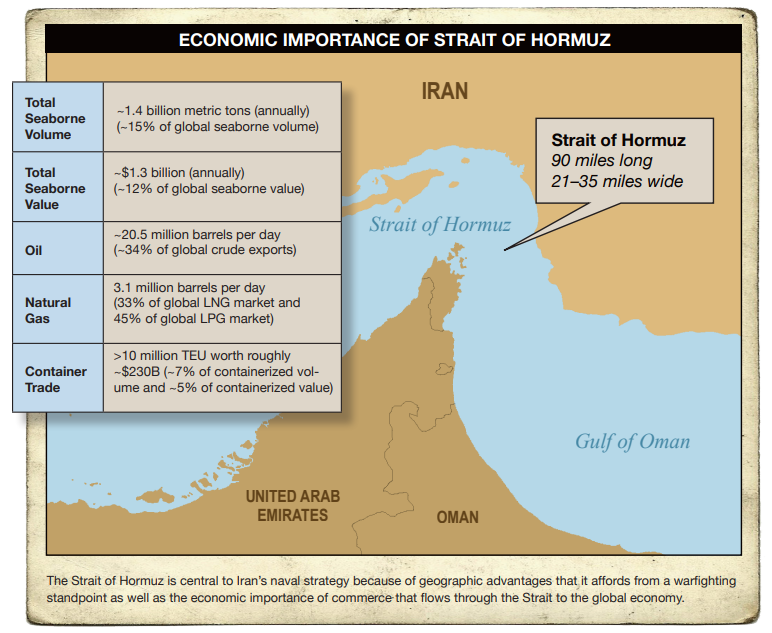
- China has banned jet-fuel exports, South Korea has cut production for lack of crude, and Kuwait cannot ship its jet fuel because Strait of Hormuz traffic is at a trickle, sidelining the world’s top three jet-fuel exporters.
- Airports Council International Europe warned the European Commission that without 'significant and stable' traffic through Hormuz by the end of April, a 'systemic jet fuel shortage' could hit the EU.
- California’s reliance on imported jet fuel from Asia, amid local refinery shutdowns, leaves the U.S. West Coast vulnerable as Asian supply tightens and shipping from the Gulf Coast via the Panama Canal is more expensive.
📰 Source Timeline (1)
Follow how coverage of this story developed over time