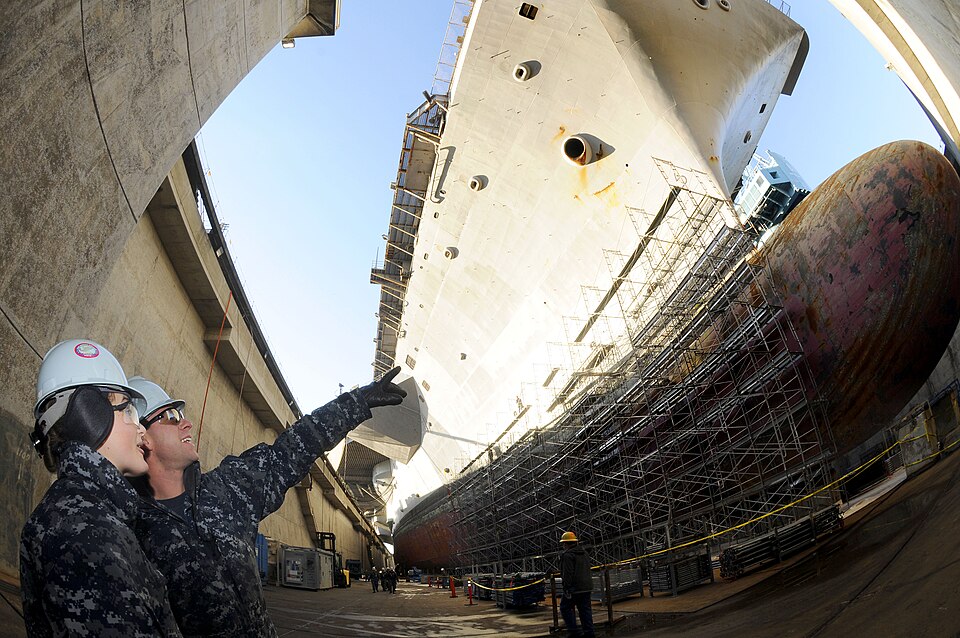
Small Fire Injures Three Sailors on USS Eisenhower at Norfolk Shipyard
Three sailors were injured when a small fire broke out aboard the Nimitz-class aircraft carrier USS Dwight D. Eisenhower while the ship was undergoing maintenance at the Norfolk shipyard earlier this week. The blaze occurred during the carrier's planned incremental availability; officials have described the incident as limited in scope and said the injured sailors were treated for non-life-threatening injuries. Investigators are reviewing the circumstances, and the ship remains in the shipyard as assessments continue.
Shipyard maintenance environments raise known hazards that help explain how even a small fire can injure personnel: hot work such as welding and cutting, electrical faults, and mishandling of hazardous materials are common causes of fires on Navy vessels in maintenance, and factors like scaffolding, debris and temporarily disabled fire-suppression systems can complicate damage control. Separately, broader industry data shows naval shipyard work carries higher injury rates than many civilian jobs, underscoring the elevated risks when warships are in dock for repairs or upgrades and why even contained incidents can have outsized operational and personnel effects.
Public reaction on social media echoed those concerns while adding local and personal context. A Navy veteran reposted coverage with a nostalgic note about duty in Portsmouth, a local radio station spread the news to nearby communities, and open-source reports noted the carrier was near the end of its maintenance availability. Others highlighted the potential for added delays to the Eisenhower's schedule; one account offered a flippant take on the event. Mainstream reporting remains preliminary and consistent in describing a small, contained fire with three sailors injured and an ongoing official inquiry into the cause.
📊 Relevant Data
Common causes of fires on US Navy ships during maintenance include hot work such as welding and cutting that can produce sparks in confined areas with flammable materials, electrical faults, and improper handling of hazardous substances.
Navy Ship Fires: Ongoing Efforts to Improve Safety Should Be Enhanced — GAO
Warships undergoing maintenance in shipyards face increased fire risks due to factors like scaffolding, debris, and disabled fire suppression systems, which can hinder damage control efforts.
Warships in Maintenance Always Face Increased Risk for Fire Damage — USNI News
Between 2023 and 2025, Houthi forces attacked more than 100 ships in the Red Sea, forcing major shipping companies to reroute vessels around Africa, which increased transit times by 10-14 days and shipping costs by 40-60%.
Oil prices set to soar as Houthis threaten Red Sea shipping — Energy News by Economic Times
Houthi attacks in the Red Sea have indirect effects on global oil prices, with potential escalations risking spikes due to threats to energy infrastructure in the region.
What are the potential implications of Houthi Attacks? — Capital Economics
US Navy shipyard workers experience higher injury rates, with approximately 45 fatal accidents and 5,370 non-fatal accidents per 100,000 workers, compared to lower rates for all US workers.
Common Shipyard Accidents Maritime Workers Face — Mahone Firm
📌 Key Facts
- A small fire broke out Tuesday aboard USS Dwight D. Eisenhower (CVN-69) at Norfolk Naval Shipyard in Portsmouth, Virginia.
- Three sailors sustained minor injuries, were treated by the ship’s medical team, and returned to full duty.
- The carrier is in Planned Incremental Availability after a nine-month 2023 Red Sea deployment, with extensive work underway on propulsion, habitability, combat systems and aviation support; the Navy has not yet determined if the fire will delay completion.
📰 Source Timeline (1)
Follow how coverage of this story developed over time