Bukele Enacts Constitutional Reforms Allowing Life Sentences for Children as Young as 12 in El Salvador
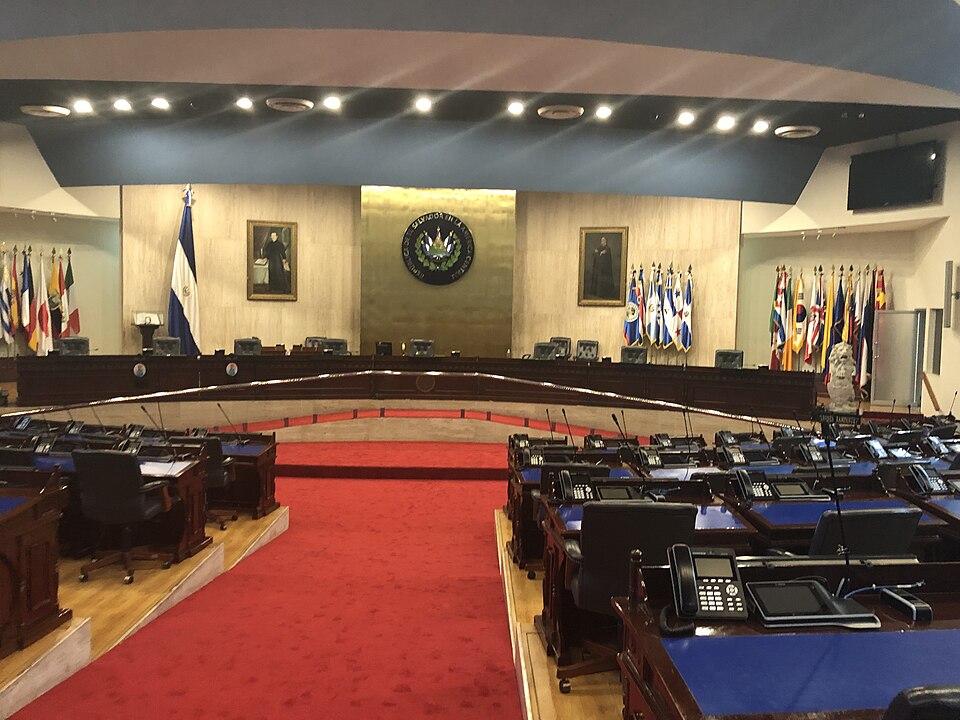
President Nayib Bukele of El Salvador has signed constitutional reforms that allow life prison sentences for defendants as young as 12, following passage by the Legislative Assembly; the measures take effect April 26 and will be implemented in newly created criminal courts. The changes expand capital criminal exposure beyond homicide, femicide and rape to include gang membership and accomplices, and come amid the government’s long-running crackdown on gangs that Bukele credits with driving the country’s homicide rate down from 53.1 per 100,000 in 2018 to 1.9 per 100,000 in 2024. Officials point to mass prosecutions and extraordinary sentences — including multi-century verdicts in some trials — as evidence the measures are intended to prevent a return to the violence of previous years.
Human-rights organizations and UN monitors have sharply criticized the reforms, warning that imposing life sentences on children violates international norms and El Salvador’s constitutional protections for minors. Those concerns are amplified by the scale and character of recent policing: roughly 91,650 people have been detained under the state of emergency, officials say, and analysis suggests about 36% of those arrested had not previously been identified as gang members, raising alarm about arbitrary detentions. On social media, Bukele’s official account defends the changes as essential to stop juvenile recruitment into gangs and to protect public safety, while critics — including the UN High Commissioner for Human Rights and activists online — portray the move as criminalizing childhood and a further erosion of civil liberties; supporters counter that harsh penalties are necessary to safeguard innocent victims.
Reporting on the story has shifted from earlier emphasis on the security gains of Bukele’s anti-gang campaign to a sharper focus on the legal and rights implications of this legislative milestone. Initial coverage highlighted dramatic reductions in homicide and popular backing for a tough response to gangs; more recent reporting, led by outlets such as NPR, has documented the formal signing, the exact effective date, the creation of special courts, the broader range of offenses covered, updated detention figures, and connections to other constitutional changes — including last year’s elimination of presidential term limits — that critics say point to consolidation of power as well as a tougher penal approach.
📊 Relevant Data
El Salvador's homicide rate decreased from 53.1 per 100,000 people in 2018 to 1.9 per 100,000 in 2024, following the implementation of President Bukele's gang crackdown measures.
From Murder Capital to Security State: El Salvador's Transformation Under President Bukele — The National Law Review
Approximately 36% of individuals arrested during El Salvador's state of emergency were not previously profiled as gang members, indicating a high rate of arbitrary detentions.
Over 33,000 people arrested in Bukele's crackdown were not listed as gang members — El País
📌 Key Facts
- President Nayib Bukele has signed constitutional reforms into law permitting life prison sentences for people as young as 12 after passage by the Legislative Assembly.
- The reforms take effect April 26 and establish new criminal courts to try the cases covered by the changes.
- Life sentences will apply not only to homicide, femicide and rape but also to gang membership and to accomplices.
- About 91,650 people have been detained under the state of emergency; Bukele says fewer than 10% have been released, officials have vowed detained gang members 'will never return' to the streets, and a mass trial has produced sentences totaling hundreds of years for alleged gang members.
- Last year Bukele pushed a constitutional reform eliminating presidential term limits, paving the way for indefinite rule, and the new sentencing reforms are presented as part of that broader consolidation of power.
📰 Source Timeline (2)
Follow how coverage of this story developed over time
- Confirms Bukele has now signed the constitutional reforms into law after passage by the Legislative Assembly.
- Specifies that the reforms take effect April 26 and will create new criminal courts to try the relevant cases.
- Details that life sentences apply not only to homicide, femicide and rape but also to gang membership and accomplices.
- Provides updated aggregate detention figure: around 91,650 people detained under the state of emergency, with Bukele saying fewer than 10% have been released.
- Notes officials previously vowed gang members detained 'will never return' to the streets and highlights a mass trial where alleged gang members received hundreds of years in sentences.
- Adds that last year Bukele pushed through a constitutional reform eliminating presidential term limits, paving the way for indefinite rule, and ties that to these new sentencing reforms.