Iran War Fuel Spike Pressures U.S. Farmers As Gas And Diesel Prices Surge
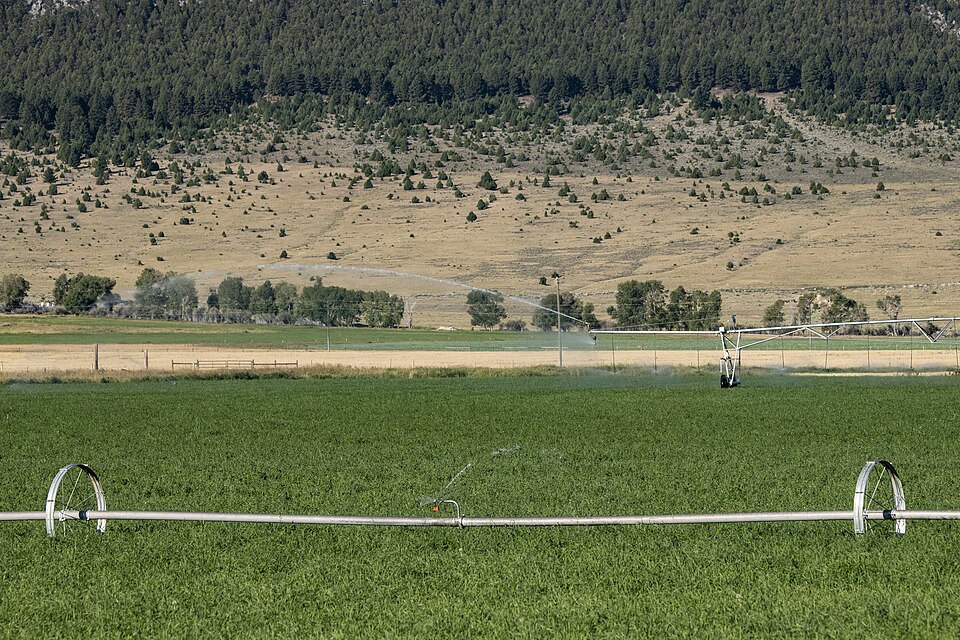
Rising fuel costs from the Iran war are squeezing U.S. farmers as gasoline and diesel prices climb sharply.
U.S. regular gasoline averages about $4.05 per gallon and diesel about $5.61, increasing farm fuel bills and input costs. Bureau of Labor Statistics data show U.S. retail gasoline prices are roughly 21% higher than a month ago, adding to short-term pain. Farmers say diesel is a key input for planting, harvesting and transport, and higher fuel bills are squeezing margins already hit by other costs.
The same conflict has pushed jet fuel costs far higher, doubling since February and reaching as much as $209 per barrel in early April. The International Energy Agency warned Europe may have "maybe six weeks" of jet fuel coverage, and some countries face under 20 days of supply. Airlines worldwide have raised fares, added fees and cut or suspended routes as carriers like Air Canada, Delta and KLM adjust schedules under higher kerosene prices. On social media, industry bodies and analysts warned normalization could take months, with some commentators calling the Hormuz disruption among the largest oil shocks in modern memory.
Early reporting offered a brief note of relief after Iran declared the Strait of Hormuz "completely open" and markets briefly rallied. The Wall Street Journal linked a sharp one-day oil price drop to that declaration and related U.S. statements. Later coverage from PBS, CBS and others emphasized renewed price spikes, persistent supply constraints and mounting impacts on farmers and travelers as the U.S. blockade and uncertainty kept market risks elevated.
📌 Key Facts
- IEA Director Fatih Birol warned Europe may have only 'maybe six weeks' of jet fuel if Strait of Hormuz disruptions continue; the IEA says some European countries have under 20 days of coverage and that falling below about 23 days risks physical shortages at airports and flight cancellations.
- The Strait of Hormuz is a critical route for jet fuel (Argus: about 40% of Europe’s jet-fuel imports transit it) and no jet fuel has moved through the strait since the war began; Iran declared the strait 'completely open' for a time‑limited 10‑day ceasefire through at least April 26, but the reopening is temporary and U.S. restrictions on Iranian ports persist, leaving future flows uncertain.
- Jet fuel and crude prices have spiked and become volatile: jet fuel roughly doubled since the Iran war began on Feb. 28, global jet fuel rose from about $99/barrel at end of February to as high as $209/barrel in early April, and crude benchmarks have swung in response to Hormuz developments (markets fell on easing signals, with Brent and U.S. crude plunging in a recent session).
- Higher fuel costs are hitting airlines: jet fuel accounts for roughly 25–30% of operating costs, carriers have raised fees and embedded fuel costs into fares, and many are cutting routes—examples include Delta trimming four summer routes, Air Canada suspending Toronto/Montreal–JFK service (June 1–Oct 25), KLM and Lufthansa altering schedules or grounding planes; analysts warn unprecedented scale of disruption could force diversions or added stops on long-haul flights.
- U.S. pump prices and diesel have risen sharply: national average gasoline is about $4.05 per gallon (AAA/BLS), roughly a $1‑a‑gallon 'war premium' from pre‑war levels, retail gasoline is reported ~21% higher than a month ago, and diesel—the key input for farmers—averages about $5.61 per gallon.
- Agriculture and the broader economy are under pressure: farmers face sharply higher diesel bills (CBS interviews with Iowa farmers), shipping costs are rising (U.S. Postal Service 8% shipping increase; UPS fuel surcharges), food banks report higher demand, and Moody’s Mark Zandi warns of three 'waves'—direct fuel shocks, pass‑through inflation across goods and services, and potential wage pressures that could deepen recession risks.
- Governments and firms are already adjusting supply and consumption: some countries (Thailand, the Philippines) are curbing fuel use, India is diverting natural gas from industry to households (affecting exports to the U.S.), and travel advisers/analysts recommend booking sooner, avoiding Basic Economy and choosing refundable or flexible fares amid war‑driven volatility.
- Political and market signals matter: statements that Hormuz was reopened (and White House comments) briefly eased prices and lifted U.S. stock indices, but because the opening is tied to a short ceasefire and other restrictions remain, officials warn energy shocks could worsen if the strait does not reopen fully and durably.
📰 Source Timeline (12)
Follow how coverage of this story developed over time
- Energy Secretary Chris Wright said Sunday that gas prices pumped up by the Iran war may not drop below $3 per gallon until next year.
- CBS reports that nearly two months into the Iran war, U.S. regular gasoline averages $4.05 per gallon.
- CBS reports that U.S. diesel prices now average $5.61 per gallon, a key cost input for farmers.
- CBS correspondent Lana Zak interviewed Iowa farmers about how they are coping with sharply higher fuel bills tied to war-related oil disruptions.
- Provides updated crude benchmarks after fresh Hormuz tensions: U.S. crude at $87.88 and Brent at $96.25 versus earlier readings above $100.
- Adds that U.S. gas now averages about $4.05 per gallon, compared with $2.98 before the war, indicating a roughly $1-a-gallon war premium.
- Quotes Energy Secretary Chris Wright predicting gas may not drop below $3 until next year, but saying prices have likely already peaked.
- NBC News Decision Desk Poll finds Trump job approval at 37% and disapproval at 63%, the lowest of his current term.
- Roughly two-thirds of Americans in the poll say the country is on the wrong track, the most pessimistic reading since Trump returned to office.
- Republican approval of Trump slips to 83%, down 4 points since late January–early February, and strong GOP approval falls 6 points to 52%.
- Energy Secretary Chris Wright says on CNN that national average gas prices are unlikely to fall below $3 per gallon until later this year or 2027, and that the war must end for prices to drop.
- AAA data cited in the piece put the current national average gas price just above $4 per gallon, up from $3.16 at the same time last year, with West Coast prices over $5.
- Air Canada will suspend service to New York's JFK airport from June 1 to October 25 specifically to lower fuel costs.
- PBS/Associated Press quantify that global jet fuel prices climbed from about $99 per barrel at the end of February to as high as $209 per barrel in early April.
- Named list of airlines beyond earlier coverage that have already reduced routes or increased fares, including United, Delta, Air France-KLM, SAS, Philippine Airlines and Cathay Pacific.
- New expert guidance from analysts Shye Gilad and Henry Harteveldt advising travelers to book sooner, avoid Basic Economy, and consider refundable or more flexible fares given war-driven volatility.
- Explicit linkage between Iran’s brief Hormuz reopening, subsequent reclosure, the continued U.S. blockade of Iranian ports, and the resulting uncertainty over future oil and jet fuel flows.
- Reports a specific market session in which Brent crude fell 9.1% to $90.38 a barrel and the main U.S. crude benchmark fell 11% to $83.85.
- Links those price moves directly to an Iranian official declaring the Strait of Hormuz 'completely open' and Trump's decision to keep a U.S. blockade on Iranian ports.
- Notes that the S&P 500 and Nasdaq ended that trading day at record highs on perceived easing of U.S.-Iran tensions.
- CBS packages the IEA's 'maybe six weeks' jet fuel coverage specifically around summer overseas travel plans for U.S. passengers.
- The segment emphasizes the risk of turbulence in transatlantic and other overseas travel due to Europe-centered jet fuel shortages tied to the Iran conflict.
- It reinforces that the underlying driver is supply chain disruption from the Iran war, linking fuel worries directly to the peak vacation season.
- Delta Air Lines is cutting four specific routes this summer (JFK-Memphis, JFK-St. Louis, Detroit-Reykjavik, Boston-Nassau) across defined date ranges, citing operating costs among factors.
- Air Canada is suspending Toronto and Montreal routes to New York JFK from June 1 through October 25 explicitly because jet fuel prices have doubled since the start of the Iran conflict.
- KLM Royal Dutch Airlines is adjusting its schedule and dropping routes it calls no longer financially viable, and Lufthansa is shutting down a regional airline and grounding planes over higher kerosene prices.
- Industry analyst Henry Harteveldt told CBS he has never seen disruptions "on such a large scale" and warned U.S. travelers could face diversions or added stops on Europe flights due to fuel shortages.
- The piece confirms that jet fuel prices have doubled since the Iran war began on February 28 and reiterates that fuel is about 25%-30% of airline operating costs.
- Iran's foreign minister said the Strait of Hormuz is 'completely open' during a 10-day Israel-Lebanon ceasefire through at least April 26.
- U.S. retail gasoline prices are running roughly 21% higher than a month ago, according to Bureau of Labor Statistics data.
- Moody's Analytics chief economist Mark Zandi describes three 'waves' of this oil shock: direct fuel prices, pass-through into other goods and services, and potential wage pressures that could trigger a recession.
- U.S. Postal Service plans an 8% shipping price increase and UPS has imposed a fuel surcharge, both attributed to higher energy costs.
- Food banks such as Food for Others in Fairfax, Virginia report rising demand as higher food and transport costs hit low-income families.
- A U.N. humanitarian office report notes Thailand and the Philippines are curbing fuel use and India is diverting natural gas from industry to households, affecting production of goods exported to the U.S.
- CBS segment reiterates that since the Iran war began, jet fuel costs have doubled due to shortages.
- It reports that airlines around the world are canceling flights and increasing fares and fees in response to the spike.
- It echoes IEA Director Fatih Birol's warning that Europe has maybe six weeks of jet fuel left if Strait of Hormuz disruptions continue, but adds no new figures or qualifiers beyond what is already captured.
- Confirms that Iran has now declared the Strait of Hormuz "completely open" to commercial vessels in line with the Lebanon ceasefire.
- Notes Trump amplified the message, saying the strait "is fully open and ready for full passage."
- Clarifies that this opening is time-limited to the remaining period of the 10-day ceasefire, leaving open what happens afterward.
- Reports that oil prices have fallen on hopes of a broader deal to end the war, while Fatih Birol warns energy shocks could worsen if Hormuz fails to reopen fully and durably.
- Exclusive AP interview quotes IEA Director Fatih Birol saying Europe has 'maybe six weeks' of jet fuel left and calling this the global economy's 'largest energy crisis.'
- Argus Media’s Amaar Khan specifies that the Strait of Hormuz accounts for about 40% of Europe’s jet fuel imports and that no jet fuel has transited the strait since the war began.
- The article quantifies that jet fuel is airlines’ biggest cost at about 30% of expenses and says prices have roughly doubled since the Iran war started.
- It reports that some airlines have already raised baggage and other ancillary fees, embedded higher fuel costs into fares, and begun cutting flights in response.
- The IEA report cited notes some European countries are down to under 20 days of jet fuel coverage, and warns that dropping below 23 days could trigger physical shortages at some airports and flight cancellations.