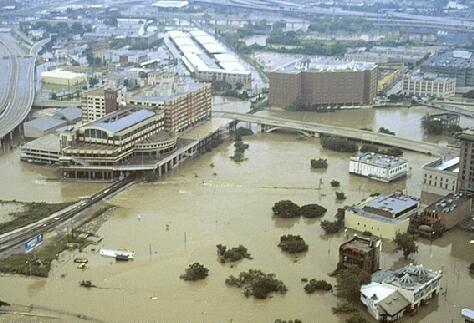
Multi-State Storms Bring Tornadoes, Deadly Lightning and Major Flooding
A line of severe storms swept across parts of the United States this week, producing tornadoes in multiple states, deadly lightning strikes and widespread flooding that inundated streets and communities from the Midwest to the South. Emergency responders and officials reported localized tornado damage, at least one fatal lightning strike in Waukesha, Wisconsin, and urban flooding that left buses and cars navigating deep water in Milwaukee. State and local authorities mobilized evacuations and warnings around threatened dams as rising rivers surged, and Wisconsin's governor directed residents affected by the storms to call 211 Wisconsin for help with damage reporting, shelter and other services.
Context from recent research and infrastructure reporting helps explain why the impacts have been so severe. Climate analysis shows the heavy spring rainfall that produced major flooding in the South and Midwest in April 2025 was about 9% more intense than it would have been without human-caused climate change, increasing the risk of flash floods and overtopped levees. Lightning fatalities remain rare in many states — meteorologist Sam Kuffel noted the Waukesha death was only the 12th in Wisconsin in the last 20 years — even though the United States averages roughly 20 lightning deaths per year nationwide. The storms also exposed aging infrastructure: dam failures in Michigan during the same period prompted renewed calls for federal and state investment in dam safety and repairs as communities downstream faced urgent evacuation orders.
Social media amplified real-time impacts and official guidance, with storm chasers warning residents downstream from the Croton Dam on the Muskegon River to evacuate as sirens sounded, a local outlet sharing striking images of Milwaukee streets under water, and users urging neighbors to check on one another amid overlapping hazards. Coverage of the event appears to be shifting: initial reports focused on immediate damage and weather warnings, while more recent reporting and expert commentary have linked the extreme rainfall to climate-driven intensification and underscored structural vulnerabilities such as aging dams. That evolution — driven by on-the-ground reporting of dam breaches and by climate scientists providing attribution analysis — has broadened the conversation from short-term emergency response to longer-term questions about resilience and investment.
📊 Relevant Data
On average, there are about 20 lightning strike deaths per year in the United States based on data from 2015 to 2024.
Facts + Statistics: Lightning — Insurance Information Institute
Climate change made the heavy rainfall that led to flooding in the South and Midwest US in April 2025 about 9% more intense.
Climate Change Fueled Deadly Midwest and Southern US Flooding in April — Earth.org
Following dam failures in Michigan, there have been calls for increased investment in dam safety, with many dams being old and in need of repairs.
Michigan's dam problem — Michigan Department of Environment, Great Lakes, and Energy
📌 Key Facts
- National Weather Service logged more than 1,100 reports of large hail, 60‑mph‑plus winds and tornadoes from Monday through Wednesday of this week.
- Waukesha, Wisconsin, police say a man apparently died after being struck by lightning in a parking lot during Wednesday evening storms.
- At least five tornadoes have been confirmed in southern and central Wisconsin, with additional surveys underway and more severe storms expected Friday.
- Residents below the Croton Dam on Michigan’s Muskegon River have been ordered to evacuate, and Bellaire, MI, is releasing partially treated wastewater as its system is overwhelmed.
- The Wisconsin River at Portage is at major flood stage (19.9 feet) and forecast to reach or surpass the record 20.7‑foot level on Friday.
📰 Source Timeline (1)
Follow how coverage of this story developed over time