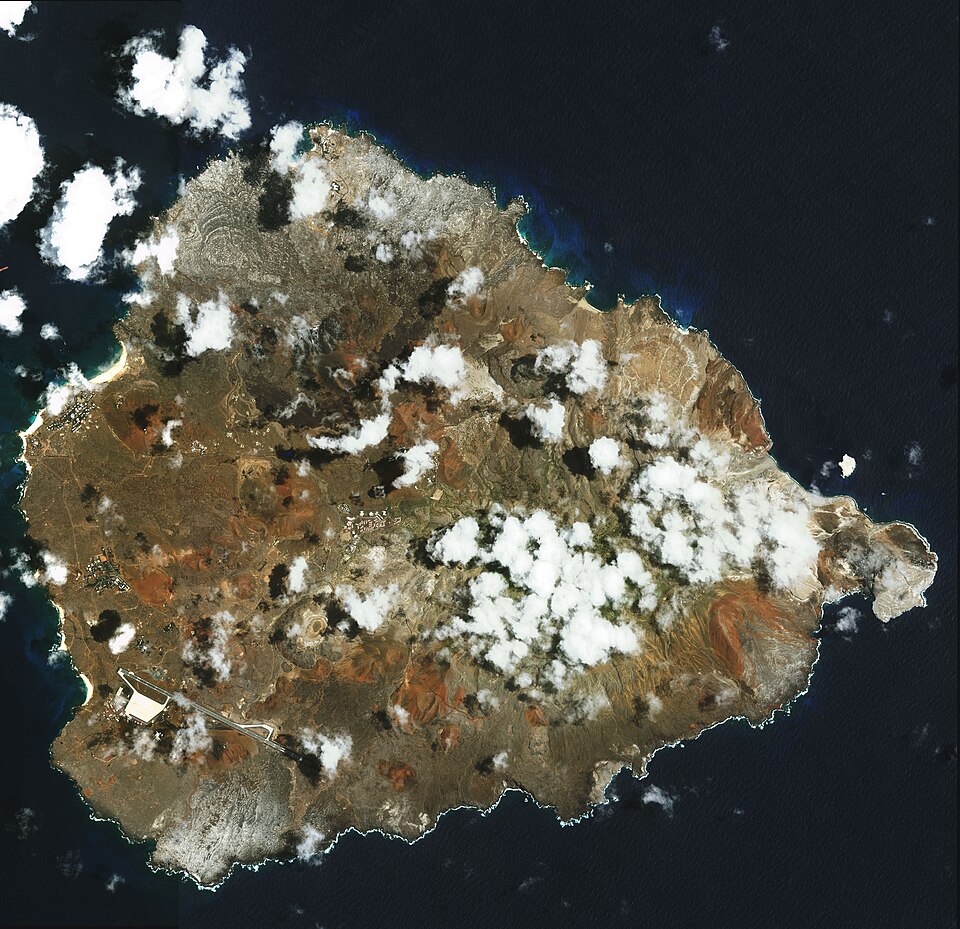
Chagossian Leaders File UN Crimes‑Against‑Humanity Complaint Against UK Over Diego Garcia Removals
Chagossian leaders have filed a complaint with the United Nations accusing the United Kingdom — and naming Prime Minister Keir Starmer in social media accounts of the complaint — of forced displacement and crimes against humanity over recent attempts to remove Chagossians who had returned to Diego Garcia. The filing comes amid a fresh dispute over the fate of four islanders whom UK authorities sought to remove; a UK court has for now quashed that expulsion, but the UN document and related public statements frame those removals as part of a long-running effort to complete the islands’ depopulation. The island of Diego Garcia is at the center of the controversy: it has housed a UK–US military base since a 1966 lease that originally ran 50 years and has been extended to 2036, a arrangement that precipitated the original expulsions of the Chagossian population and, despite their historical ties, has not resulted in Chagossian employment on the base since the depopulation.
The complaint invokes legal frameworks such as the Rome Statute and has been accompanied in public discourse by calls to refer UK leaders to international bodies like the International Criminal Court; activists and Chagossian representatives frame these moves as part of a campaign to secure legal accountability for what they call a deliberate depopulation. Social media has amplified those claims: commentators have characterized the UK’s actions as a crime against humanity, criticized a concurrent UK legislative push to transfer sovereignty of the Chagos Islands to Mauritius as hypocritical decolonization, and highlighted the recent court decision blocking the forced removals. These reactions underline both the political sensitivity of the sovereignty transfer and the human-rights dimension that campaigners say has been neglected for decades.
Mainstream coverage of Diego Garcia has shifted noticeably in tone and focus. Earlier reporting tended to emphasize the islands’ strategic role as a UK–US military asset and the geopolitical implications of sovereignty claims; newer reporting, driven by Chagossian legal actions, UN submissions, recent court rulings and sustained social-media amplification, has recentered the story on human-rights, displacement and questions of legal accountability. Outlets covering the UN filing — including major international and domestic papers and broadcasters — are now treating the dispute less as solely a strategic or diplomatic issue and more as one involving alleged historical injustices, ongoing removals and potential international legal consequences.
📊 Relevant Data
The 1966 UK-US agreement leased Diego Garcia for 50 years (extended to 2036) for military purposes, directly causing the expulsion of the Chagossians, with no Chagossians employed on the base since the depopulation despite their historical ties to the islands.
THE EXPULSION AND IMPOVERISHMENT OF THE CHAGOSSIAN PEOPLE — American University Digital Research Archive
📌 Key Facts
- James Tumbridge, attorney general for the Chagossian government, has filed a crimes‑against‑humanity complaint at the UN naming UK Prime Minister Keir Starmer over Chagos expulsions.
- The filing argues that February removal orders for four Chagossians who returned to the islands would complete a "forced displacement" and could constitute "ethnic cleansing."
- On March 20 Iran launched two ballistic missiles toward the U.S.–UK base on Diego Garcia from more than 2,300 miles away, missing but highlighting the base’s strategic role.
- Chagossian First Minister Misley Mandarin and Tumbridge both publicly support a continued U.S. military presence on Diego Garcia under the 1966 defense agreement.
- The UN complaint is filed as the UK weighs transferring sovereignty over the Chagos Islands to Mauritius under a proposed 99‑year lease arrangement for the U.S. base, a deal former President Trump has criticized.
📰 Source Timeline (1)
Follow how coverage of this story developed over time