Melania Trump Urges Congress to Expand Foster Care Support Programs
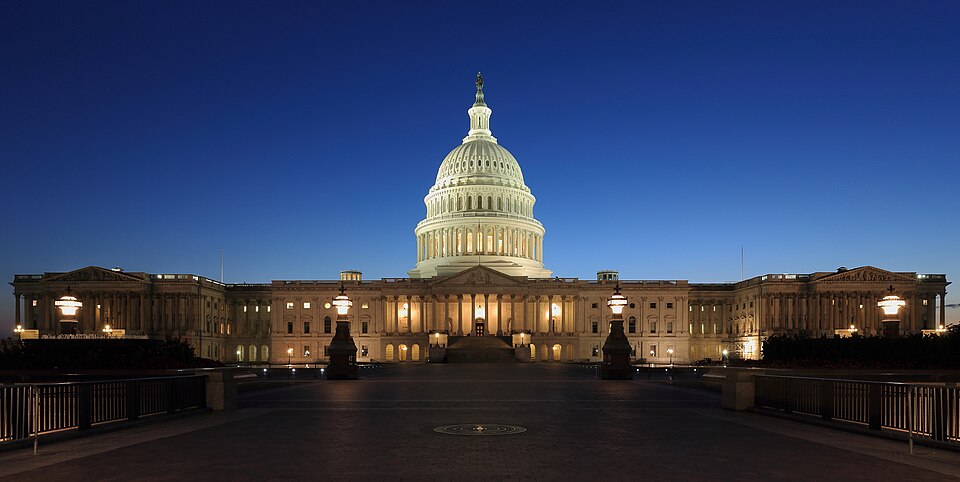
First Lady Melania Trump recently appeared at a House roundtable to urge Congress to expand federal support programs for children in foster care, pressing lawmakers to strengthen housing, education and job-readiness pathways so foster youth can transition to independence more safely. Speaking on Capitol Hill, she framed the push as both a moral obligation and a practical effort to ensure that opportunity is available to children regardless of their start in life, calling for new legislation and program expansions to address the gaps she highlighted.
Her appeal comes against a backdrop of stark outcomes for youth who leave the system without permanent placements: in 2024, 15,379 young people exited foster care through emancipation — about 9% of all exits — and youth aging out experience homelessness at rates estimated between 22 and 30 percent. Neglect remains the leading reason for entry into foster care, accounting for 55% of cases in fiscal 2024, with caretaker drug use cited in 31% of cases, data that underscore advocates’ arguments that enhanced supports around housing, education and employment are essential to prevent poor long-term outcomes.
Reaction on social media has generally amplified those themes, with commentators praising her focus on job and financial-readiness programs and framing the effort as an ethical imperative to protect vulnerable children. Posts ranged from calls for bipartisan backing of foster-care legislation to straightforward praise of her advocacy as compassionate and class-driven, while some observers cast the push in partisan terms, urging lawmakers of all stripes to translate attention into concrete policy.
Coverage of Mrs. Trump’s intervention reflects a subtle shift in mainstream reporting: while past stories about first ladies often emphasized public image or ceremonial roles, recent accounts — including broadcast pieces like PBS’s roundtable report — have focused more on the substance of policy proposals and the data underpinning them. That shift has reframed discussions about foster care from profile-driven human interest to a policy debate centered on measurable outcomes and specific legislative fixes, potentially widening the range of stakeholders and lawmakers who see the issue as ripe for concrete action.
📊 Relevant Data
In 2024, 15,379 youth exited foster care through emancipation, representing 9% of all exits from the system.
US Foster Care Statistics 2026: Data & Trends [Updated ... — cafo.org
Youth aging out of foster care experience homelessness at rates of 22-30%, compared to much lower rates in the general youth population.
Foster Care Statistics 2026: Key Data on Aging Out, ... — pennylane.org
Neglect is the primary reason for foster care entry, accounting for 55% of cases in FY2024, followed by caretaker drug use at 31%.
Foster Care Statistics 2026: Key Data on Aging Out, ... — pennylane.org
📌 Key Facts
- On April 15, 2026, Melania Trump appeared before the House Ways and Means Committee to advocate foster care legislation.
- The bipartisan bills aim to update the Chafee foster care program to expand housing, education and job-training support for youth aging out of care.
- A January 2025 GAO report found states were returning millions in unused Chafee funds to the federal government despite unmet needs among foster youth.
📰 Source Timeline (1)
Follow how coverage of this story developed over time