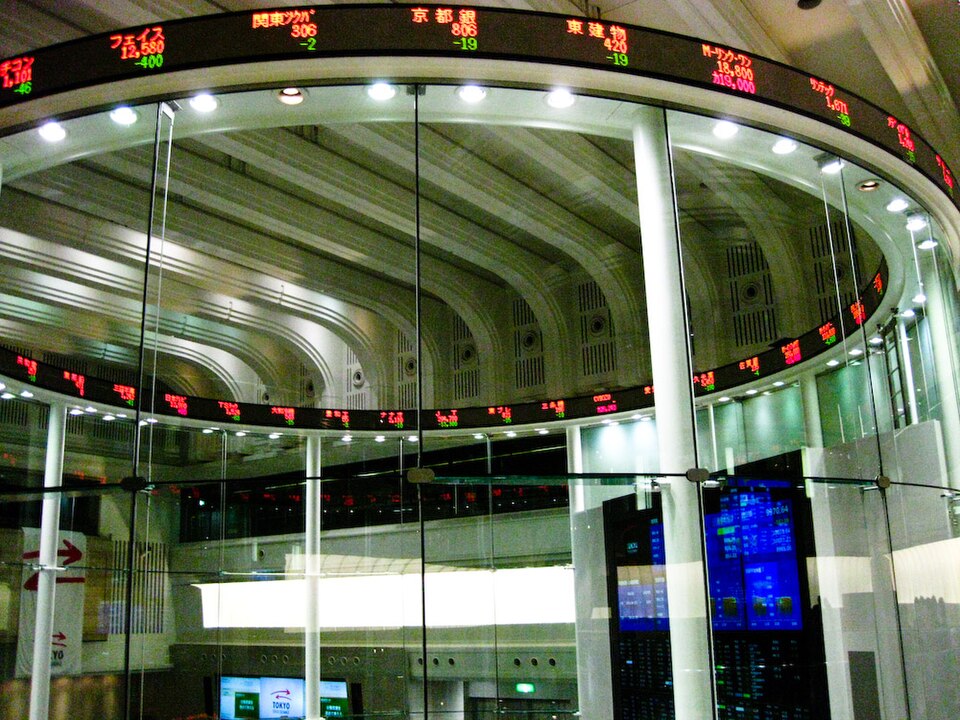
S&P 500 and Nasdaq Close at Record Highs Despite Iran War and Inflation Jitters
In the most recent U.S. trading session, the S&P 500 and the Nasdaq Composite closed at record highs as investors appeared to shrug off renewed fears about the Iran war and a fresh uptick in inflation. U.S. equity buyers were driven by a mix of hopes for de‑escalation in the Middle East, strong tech stock performances, and confidence in the underlying economy, lifting benchmarks in New York despite ongoing geopolitical uncertainty. Market participants cited headlines suggesting progress toward reducing tensions and upbeat corporate news that helped propel the rally.
That optimism came even as data pointed to real economic headwinds: the consumer price index rose 3.3% year‑over‑year in March 2026, the highest inflation rate in nearly two years, and average U.S. gasoline prices have surged past $4 per gallon—about a 30% increase since the U.S. and Israel attacked Iran in late February 2026. The sensitivity of oil markets to the conflict is underscored by the Strait of Hormuz’s role, through which roughly 20.3 million barrels a day—about a quarter of maritime oil trade—pass. Offsetting those jitters, the labor market remained firm with unemployment falling to 4.3% in March, and investors have been drawn to tech names as companies signal heavier investment in AI (corporations expect to roughly double AI spending in 2026, from 0.8% to about 1.7% of revenues), supporting Nasdaq gains.
Social media and trading commentators captured the split narrative: some users noted the S&P 500 has fully erased its losses since the Iran war began and credited specific headlines, including an Iran‑Oman maritime protocol item, with triggering the rebound. Others characterized the move as a classic oversold rally that needs follow‑through before it becomes durable, while a few argued the market’s focus on Iran is overblown given year‑over‑year gains and steady employment and rates. Early coverage stressed geopolitics and oil‑driven volatility; more recent reporting, led by financial outlets and amplified on social platforms, has shifted to emphasize market resilience, tech leadership and the prospect of de‑escalation—though commentators warn that higher inflation and elevated gasoline costs remain tangible risks that could quickly reverse sentiment.
📊 Relevant Data
The US consumer price index rose 3.3% year over year in March 2026, up from 2.4% in February, marking the highest inflation rate in nearly two years.
Here's the inflation breakdown for March 2026 — in one chart — CNBC
An average of 20.3 million barrels of petroleum and crude oil, or roughly 25% of the world's maritime oil trade, pass through the Strait of Hormuz.
How Much Oil Passes Through the Strait of Hormuz? — Britannica
The average US gas price has soared beyond $4 per gallon, up more than 30% since the US and Israel attacked Iran in late February 2026.
U.S. gas prices hit $4 per gallon as fuel prices surge due to Iran war — CNBC
The US unemployment rate fell to 4.3% in March 2026, down from 4.4% in February.
Employment Situation Summary - 2026 M03 Results — Bureau of Labor Statistics
Corporations expect to double their spending on AI in 2026, from 0.8% to about 1.7% of revenues.
As AI Investments Surge, CEOs Take the Lead — Boston Consulting Group
📌 Key Facts
- S&P 500 closed at a record 7,023, up 0.8%, topping its prior 6,979 high from January 27.
- Nasdaq Composite ended at a record 24,016, up 1.6%, with 10 consecutive days of gains, its longest streak since 2021.
- Dow Jones Industrial Average fell 72 points (0.2%) the same day.
- Bank of America reported Q1 2026 profit of $8.6 billion, a 17% year-over-year increase; Morgan Stanley also beat expectations.
- Wells Fargo Investment Institute projects the S&P 500 will reach 7,400–7,600 by year-end, despite war- and inflation-related concerns.
📰 Source Timeline (1)
Follow how coverage of this story developed over time