S&P 500 Sets New Record as Two‑Week Rally Rides Hopes for Extended Iran Ceasefire
The S&P 500 climbed to a fresh all‑time high on April 15, 2026, rising about 0.8% as investors pushed equities higher on growing hopes that the Iran conflict will not spiral into a worst‑case global economic shock. The two‑week rally has erased earlier losses: the index fell nearly 10% into a late‑March correction and has now rebounded more than 10% in roughly a fortnight, with banks reporting stronger‑than‑expected results—Bank of America posted $8.6 billion in first‑quarter profit and Morgan Stanley shares jumped—and some AI‑exposed stocks recouping earlier 2026 declines. Regional officials told the AP there is an “in principle agreement” to extend a ceasefire to allow further diplomacy, a development markets have priced as reducing the risk to oil flows from the Persian Gulf.
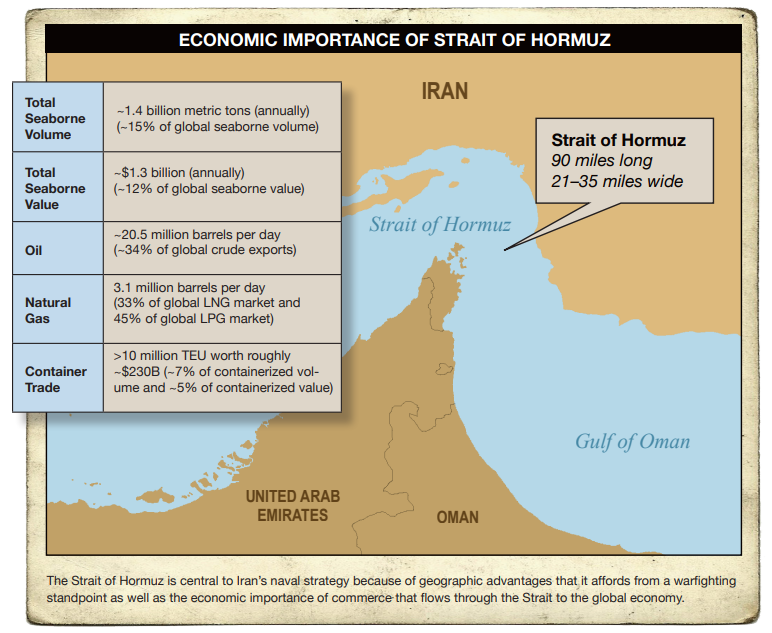
Energy prices have been a central factor in the market’s swing. Brent crude settled that day around $94.93 a barrel—well below the roughly $119 peak seen earlier in the turmoil and far above the roughly $70 level before the war—reflecting partial calm but still elevated costs for consumers and businesses. That earlier volatility followed a series of events that disrupted exports, including the March 4 closure of the Strait of Hormuz and a roughly 50% surge in crude after joint strikes on Iran at the end of February; analysts note a short conflict could send prices spiking again, while a prolonged confrontation might push oil into the $130s or, in some scenarios warned by economists, above $170 with serious recessionary risks for major economies.
Public reaction on social media mirrored the market split between relief and caution. Several posts celebrated the S&P breaking records and surpassing the 7,000 mark for the first time, crediting bank earnings and ceasefire hopes for erasing Iran‑war losses, while others warned the rally is fragile and could unwind quickly if the ceasefire falters or Iran re‑arms. This marks a narrative shift from coverage in late February and March that emphasized acute risk—oil spiking above $120 after the Strait of Hormuz disruption and the market pricing in a potential severe supply shock—to more recent reporting, driven by regional officials’ comments and mainstream outlets highlighting ceasefire extension talks and resilient corporate earnings, which together have tilted investor sentiment toward risk‑on positioning despite persistent downside scenarios.
📊 Relevant Data
Following the closure of the Strait of Hormuz on March 4, 2026, Brent Crude oil prices surged past $120 per barrel, stranding oil and LNG exports.
Economic impact of the 2026 Iran war — Wikipedia
A short conflict might send oil and gas prices soaring before markets adjust, while a prolonged one could keep energy expensive and strain countries' economies.
How the War in the Middle East Is Affecting Energy, Trade, and Finance — IMF
A more severe scenario with the conflict persisting for several months could see oil prices rise to around $130 per barrel before declining.
How will the Iran war affect the global economy? — Chatham House
Some economists warn a prolonged war could drive oil prices above $170 a barrel, triggering a global recession in the UK, eurozone, and Japan.
How a prolonged Iran war could shock the global economy — The Guardian
Crude oil prices surged by about 50 percent after the US and Israel launched joint strikes on Iran on February 28, 2026.
How badly has the Iran war hit the global economy? — Al Jazeera
📌 Key Facts
- The S&P 500 rose 0.8% on April 15, 2026, setting a fresh all-time high above its prior January peak after plunging nearly 10% into a correction in late March and rallying more than 10% over about two weeks.
- The recent two-week rally was largely attributed to growing expectations that the Iran war will not trigger a worst-case global economic scenario and that oil flows from the Persian Gulf will normalize.
- Regional officials told the Associated Press that the U.S. and Iran have an 'in principle agreement' to extend a ceasefire to allow further diplomacy, a development that helped boost market optimism.
- Brent crude settled at $94.93 a barrel on the day — down from a roughly $119 peak but still well above the roughly $70 pre-war level — signaling a partial easing of earlier oil-price panic.
- Corporate earnings helped support gains: Bank of America reported $8.6 billion in Q1 profit and cited a 'resilient American economy,' while Morgan Stanley jumped 4.5% after delivering better-than-expected results.
- Earlier AI-related fears that weighed on certain companies and private-credit firms have eased somewhat, with some AI-exposed stocks recovering losses incurred earlier in 2026.
📰 Source Timeline (2)
Follow how coverage of this story developed over time
- Confirms the S&P 500 rose 0.8% on April 15, 2026, and set a fresh all‑time high, surpassing its prior January peak.
- Details that the index had fallen nearly 10% into a correction in late March and has since rebounded more than 10% over about two weeks.
- Attributes much of the rebound to expectations that the Iran war will not trigger a worst‑case global economic scenario and that oil flows from the Persian Gulf will normalize.
- Reports that regional officials told the Associated Press the U.S. and Iran have an ‘in principle agreement’ to extend a ceasefire to allow further diplomacy.
- Notes Brent crude settled at $94.93 a barrel on the day — well above the roughly $70 pre‑war level but down from a $119 peak — illustrating partial easing of earlier oil‑price panic.
- Provides specific bank earnings updates: Bank of America reported $8.6 billion in Q1 profit and cited a ‘resilient American economy,’ and Morgan Stanley jumped 4.5% on better‑than‑expected results.
- Describes that earlier AI‑related fears that hit certain companies and private‑credit firms have eased somewhat, with some AI‑exposed stocks recovering 2026 losses.