Minnesota Noncitizen Charged With Illegal Voting in 2024 Election
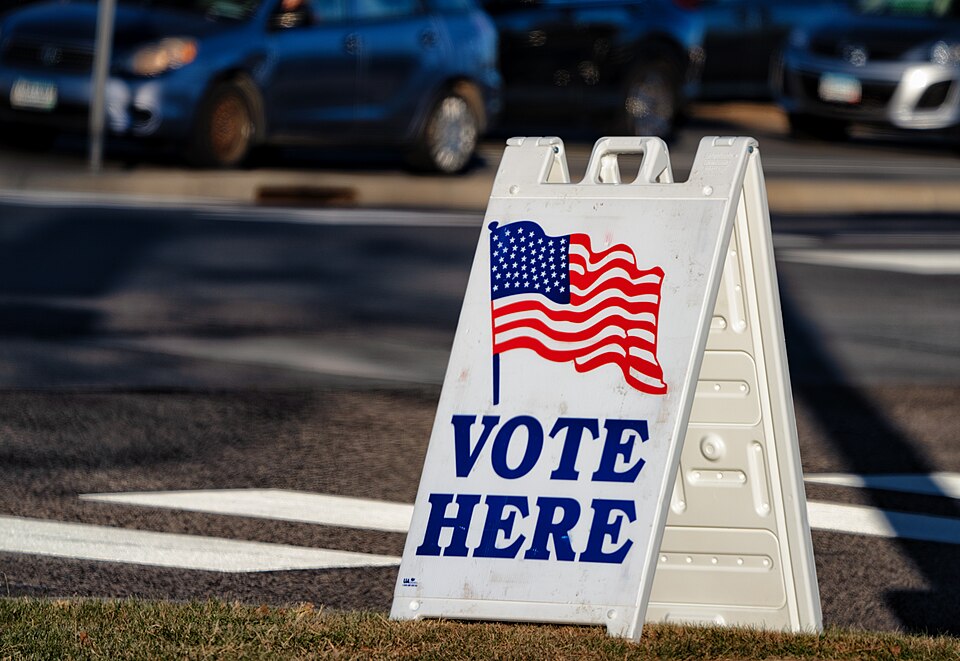
A noncitizen has been charged in Minnesota for allegedly voting in the 2024 election after telling investigators it was a “mistake,” according to reporting. The case centers on a foreign-born individual who was identified by authorities and subsequently charged with unlawful voting; prosecutors say the person admitted the error during the probe. The incident occurred in Minnesota during the 2024 election cycle and has been publicized by outlets reporting on election integrity and related investigations.
The case arrives against a backdrop of persistent but small numbers of confirmed noncitizen voting nationwide: audits spanning decades have identified only about 77 cases over 24 years amid millions of ballots, and a recent review found just three convictions for unlawful voting in Minnesota across roughly 13.4 million ballots from 2015 to 2024. Minnesota’s 2023 “Driver’s License for All” law, which allows undocumented immigrants to obtain driver’s licenses without proof of citizenship, can lead to automatic voter registration notices in some circumstances and has been raised as a possible source of confusion for noncitizen residents navigating state systems. At the same time, broader demographic trends show a growing foreign-born population in the U.S., which has expanded substantially in recent years, but that growth does not translate into widespread illegal voting based on the limited number of verified cases.
Public reaction has split along familiar lines: some social media users seized the story as evidence that claims noncitizen voting “never happens” are wrong and urged state officials to explain how the error occurred, while others stressed that these incidents are vanishingly rare and highlighted the normal process of immigrants naturalizing and voting as part of civic life. Conservative outlets that highlighted the charged case have driven renewed attention and debate, prompting critics to call for policy or administrative changes and defenders to point to long-running research showing the phenomenon is statistically minimal; coverage has therefore shifted from broad assurances about the rarity of noncitizen voting to focused scrutiny of individual cases and how state procedures might inadvertently contribute to mistakes.
📊 Relevant Data
The foreign-born population in the United States reached approximately 48.2 million in 2026, comprising about 14.6% of the total U.S. population, marking the highest number in history.
Immigrants by State 2026 — World Population Review
Minnesota's 'Driver's License for All' law, effective October 1, 2023, allows undocumented immigrants to obtain driver's licenses without requiring proof of citizenship, which can trigger automatic voter registration notices.
Driver's licenses for all — Minnesota House of Representatives
Verified cases of noncitizen voting in U.S. elections are exceedingly rare, with audits showing small numbers such as 77 identified cases over 24 years out of millions of votes, and recent reviews confirming minuscule occurrences in 2024-2026.
Noncitizen voting remains exceedingly rare, new review finds — NPR
In a 2026 case, eleven Indian nationals were charged with visa fraud for staging armed robberies to fraudulently obtain U-visas, which allow victims of certain crimes to stay in the U.S. and seek work authorization.
Eleven Indian Nationals Charged with Visa Fraud Conspiracy — U.S. Department of Justice
Immigration to the U.S. increased due to policies like the Immigration and Nationality Act amendments, expanded refugee admissions post-2010, and executive actions on DACA and TPS, contributing to population growth from 40 million in 2010 to 48.2 million in 2026.
How U.S. immigration laws and rules have changed through history — Pew Research Center
📌 Key Facts
- Defendant identified as 39-year-old noncitizen Mukeshkumar Somabhai Chaudhari in Minnesota
- Chaudhari charged Monday with felony perjury and a voting violation after allegedly registering in 2023 and voting in the 2024 election
- Investigators say he first denied voting, then admitted casting a ballot and confirmed he is not a U.S. citizen, describing it as a 'mistake'
- State officials say his voter-registration notice was likely triggered automatically when he obtained a driver’s license
- Minnesota Secretary of State’s office stated ineligible voting is 'extremely rare' and outlined penalties including potential deportation, up to a $10,000 fine, and up to five years in prison
📰 Source Timeline (1)
Follow how coverage of this story developed over time