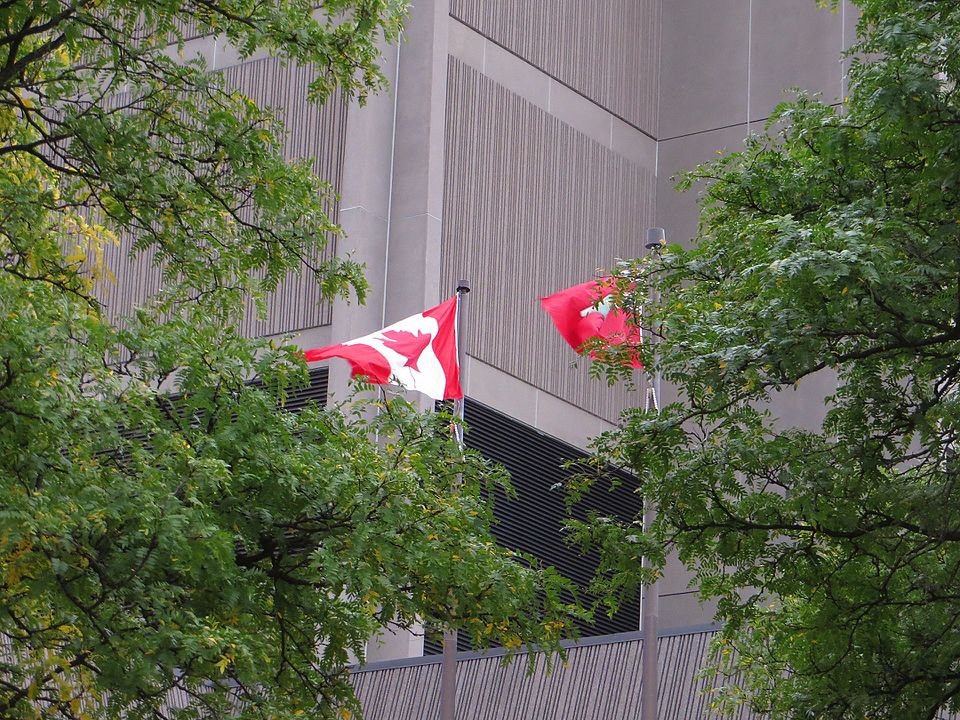
Canada’s Carney Suspends Federal Fuel Tax After Winning Majority
Prime Minister Mark Carney suspended Canada’s federal excise tax on gasoline as his first policy action after securing a majority government, announcing a temporary pause that will run through early September to blunt a sharp rise in pump prices tied to the Iran war. The move was presented as an immediate relief measure for drivers and businesses nationwide, intended to ease household energy costs while global oil markets react to geopolitical disruption.
The suspension removes the federal gasoline excise tax of 10 cents per litre — roughly the direct savings motorists will see at the pump — and, if extended beyond the short term, would cut a revenue stream that generates an estimated 4–5 billion CAD a year. The government’s timing reflects the larger market shock: disruptions around the Strait of Hormuz, which carries roughly 20% of global petroleum liquids, have helped push oil prices into the roughly $105–$110 per barrel range cited in recent commentary, amplifying domestic price spikes. Carney has also framed his broader agenda in the context of energy and trade resilience; Canada’s economy remains heavily tied to the United States, with about 75% of merchandise exports going there, a strategic dependence he has signaled he wants to reduce over time.
Reaction on social platforms was mixed and helped shape the public debate. State and independent feeds noted the suspension as a first post-election act, while critics argued it was overdue compared with faster relief in countries such as Australia and Italy and accused the government of prioritizing other spending over immediate aid for drivers. Others used the moment to question long-standing energy choices — pointing to blocked pipeline projects like Energy East as factors that have left Canada more exposed to global supply shocks. Mainstream reporting has shifted quickly from election coverage of Carney’s majority to scrutiny of emergency economic steps and energy policy; outlets such as PBS helped crystallize that shift by highlighting the suspension as his inaugural governing act and catalyzing discussion about its timeliness and sufficiency.
📊 Relevant Data
The Strait of Hormuz carries about 20% of global petroleum liquids consumption, making it a critical chokepoint where disruptions, such as those from conflicts involving Iran, can significantly increase global oil prices.
Amid regional conflict, the Strait of Hormuz remains critical for global oil flows — U.S. Energy Information Administration (EIA)
Canada's federal excise tax on gasoline is 10 cents per litre, and suspending it temporarily would reduce consumer costs by approximately that amount per litre, while also impacting government revenue estimated at around 4-5 billion CAD annually from gasoline alone.
Motor fuel taxes in Canada — Wikipedia
Approximately 75% of Canada's merchandise exports are directed to the United States, underscoring the country's heavy economic reliance on U.S. trade, which Carney aims to reduce.
The Impact of the Trade War on Canada — Econofact
📌 Key Facts
- Prime Minister Mark Carney suspended Canada’s federal fuel excise tax from next Monday until Labor Day, Sept. 7, citing fuel price spikes from the Iran war.
- Carney’s Liberals now hold 174 of 343 seats in the House of Commons, giving them a majority without needing opposition support.
- This is the first time in Canadian history that a government has shifted from minority to majority status between national elections.
- Carney’s majority was clinched by winning three previously vacant districts and earlier defections from five opposition MPs, including four Conservatives.
- Carney has pledged to focus the strengthened government on affordability, housing and major economic projects while reducing Canada’s reliance on the U.S.
📰 Source Timeline (1)
Follow how coverage of this story developed over time