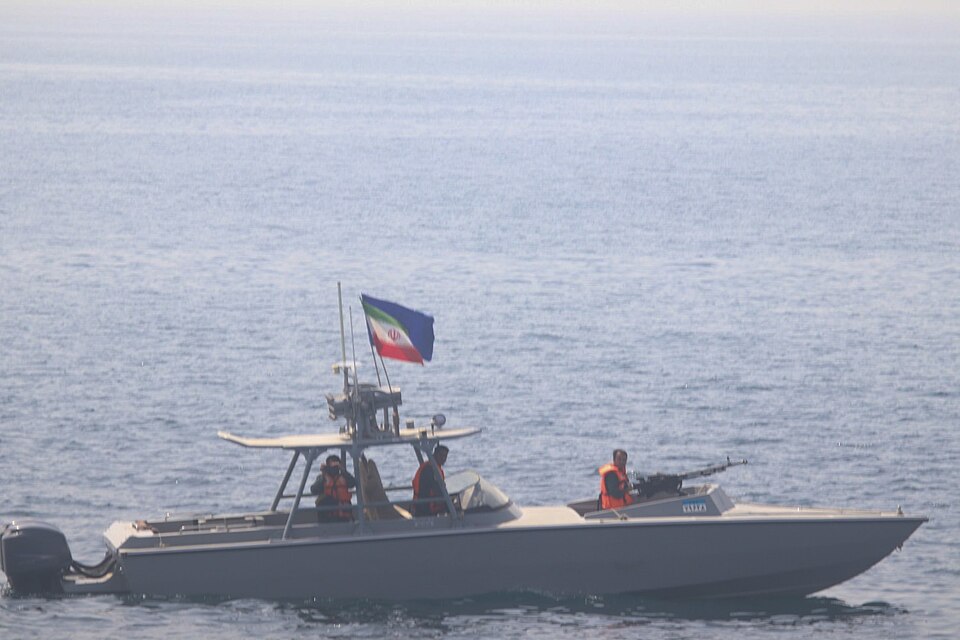
Middle East War Death Toll Rises as U.S. Blockade Persists and Iran Reopens Hormuz
A widening Middle East conflict has killed thousands as a U.S. naval blockade and Iran's reopening of the Strait of Hormuz reshape the fight. Human Rights Activists News Agency reported at least 1,701 civilians killed in Iran, including 254 children. Lebanon's health ministry reported 2,124 deaths, while PBS updated Iran's toll to about 3,000. Reports also list roughly 23 killed in Israel, more than a dozen in Gulf states, and at least 13 American service members killed. Iran's Red Crescent says rescue teams pulled more than 7,200 people from rubble after U.S. and Israeli strikes.
Earlier reporting said a U.S.-led naval blockade had "completely halted" Iranian sea trade, but newer accounts say Iran has declared the Strait of Hormuz open. The New York Times reported the Pentagon view that the blockade stopped Iranian sea trade, and later PBS and Iran's foreign minister publicly said the strait was "fully open" to commercial passage. President Trump echoed Iran's reopening claim while also saying the U.S. blockade of Iranian ports may continue, adding diplomatic uncertainty about actual maritime access. U.S. officials publicly described the blockade as "ironclad" and warned they could widen strikes to Iranian infrastructure if diplomacy fails.
Public reaction on social media highlights disagreement about responsibility, casualty counts and economic damage. @DA_Stockman blamed former President Trump for starting the war without congressional approval and cited civilian death tolls to underscore the human cost. @steve_hanke shared Al Jazeera figures saying nearly 1,937 were killed in Iran and over 1,094 in Lebanon, adding that more than four million people have been displaced. @ShaykhSulaiman highlighted economic fallout, estimating Gulf states lost $75 billion to $80 billion from reduced port, oil and aviation revenue after the closure.
📌 Key Facts
- Regional death tolls are in the thousands: PBS reports at least 3,000 dead in Iran, more than 2,100 in Lebanon, about 23 in Israel and over a dozen in Gulf Arab states.
- Earlier and more granular tallies include at least 1,701 civilians killed in Iran (including 254 children) reported by the Human Rights Activists News Agency, 2,124 killed in Lebanon per Lebanon’s health ministry, at least 32 killed in Persian Gulf states, 22 killed in Israel plus 12 Israeli soldiers killed in Lebanon, and 13 American service members killed.
- Iran’s Red Crescent president says emergency teams have rescued more than 7,200 people from rubble after U.S. and Israeli bombings, a figure cited as evidence of strike intensity and civilian harm.
- Iran has released little comprehensive casualty data more than a month into the war, forcing reliance on NGOs and partial official figures for casualty counts.
- Maritime situation is conflicted: U.S. officials have described a U.S.‑led blockade that the Pentagon says has 'completely halted' Iranian sea trade, while Iran has declared the Strait of Hormuz fully open to commercial shipping (a step President Trump publicly endorsed); PBS and others note the U.S. blockade of Iranian ports may nevertheless continue.
- U.S. military and political leaders have framed the blockade as 'ironclad' and say they are prepared to expand operations — including strikes on Iranian infrastructure, power and energy facilities — to backstop diplomacy if cease‑fire talks fail.
- The casualty, rescue and maritime developments are being reported in the context of ongoing cease‑fire diplomacy and warnings of possible wider escalation across regional seas.
📰 Source Timeline (6)
Follow how coverage of this story developed over time
- PBS explicitly notes Iran has declared the Strait of Hormuz open to commercial traffic and that Trump publicly supported that step on social media.
- The report clarifies that Trump couples support for reopening Hormuz with a statement that the U.S. blockade of Iranian ports may continue.
- Revises the earlier picture of a "completely halted" Iranian sea trade by reporting that Iran now declares Hormuz "completely open" to commercial shipping under the Lebanon ceasefire.
- Reports Trump echoing that message, saying Iran has announced the strait "is fully open and ready for full passage."
- Updates cumulative casualty figures to at least 3,000 dead in Iran, more than 2,100 in Lebanon, 23 in Israel and over a dozen in Gulf Arab states.
- Adds Pentagon‑level confirmation that the U.S. is prepared to extend its campaign beyond the existing blockade to bombing Iranian infrastructure, power and energy facilities if talks fail.
- Clarifies that senior leadership — Hegseth, Gen. Dan Caine and Adm. Brad Cooper — are publicly presenting the blockade as 'ironclad' and ready to backstop diplomacy with renewed offensive operations.
- Iran’s Red Crescent president Pir Hossein Kolivand says emergency teams have rescued more than 7,200 people from rubble after U.S. and Israeli bombings.
- The article reiterates that Iran has provided little comprehensive casualty data despite ongoing strikes.
- It links these rescue figures and casualty opacity directly to current cease‑fire talks and escalation threats over maritime trade.
- Specific sourced death tolls: at least 1,701 civilians killed in Iran (including 254 children) according to Human Rights Activists News Agency, and 2,124 killed in Lebanon as per Lebanon’s health ministry.
- Additional casualties: at least 32 people killed in attacks attributed to Iran in Persian Gulf nations, 22 killed in Israel plus 12 Israeli soldiers killed in Lebanon, and 13 American service members killed.
- Confirmation that more than 7,200 Iranians have been rescued from rubble after U.S. and Israeli bombings, according to Iran’s Red Crescent president, giving some insight into strike intensity and civilian harm.
- Context that Iran has released little comprehensive casualty data more than a month into the war, forcing reliance on NGOs and partial official figures.
- Linkage of those tolls to a U.S.‑led blockade that the Pentagon now says has 'completely halted' Iranian sea trade and to Iranian threats to widen retaliation to multiple regional seas.