DOJ Moves to Vacate Jan. 6 Seditious‑Conspiracy Convictions for 12 Proud Boys and Oath Keepers After Trump Clemency
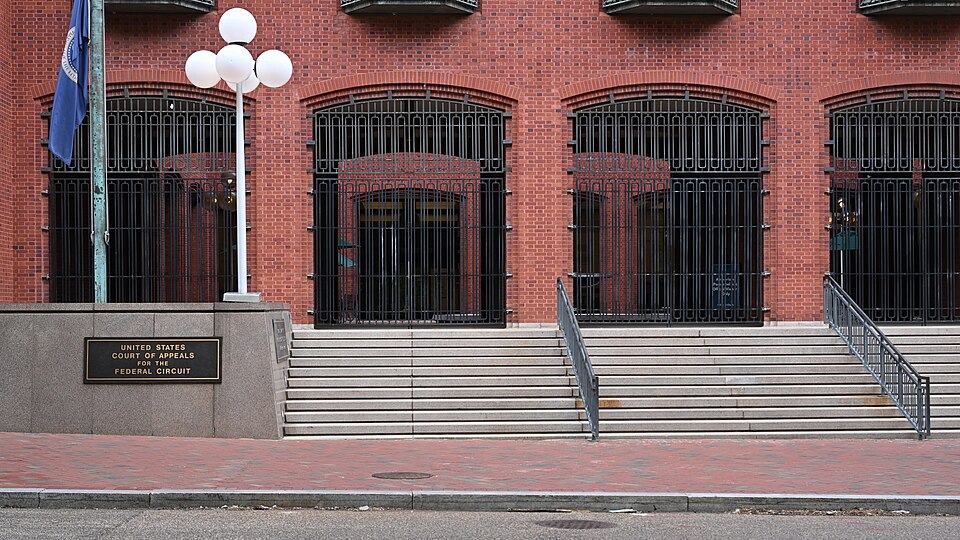
The Justice Department has filed motions in the U.S. Court of Appeals for the D.C. Circuit asking judges to vacate seditious‑conspiracy convictions and dismiss indictments with prejudice for a dozen Proud Boys and Oath Keepers leaders whose sentences were commuted by President Trump on Jan. 20, 2025. The filings, signed on behalf of the government by U.S. Attorney Jeanine Pirro, seek to erase convictions for high‑profile figures including Oath Keepers founder Stewart Rhodes and several named Proud Boys and Oath Keepers leaders such as Ethan Nordean, Joseph Biggs, Zachary Rehl, Dominic Pezzola, Kelly Meggs, Kenneth Harrelson and Jessica Watkins. The move is limited to defendants whose sentences were commuted rather than fully pardoned and comes amid a much broader clemency sweep in which Trump granted clemency to more than 1,500 people charged in the Jan. 6 cases; nationwide prosecutions have involved roughly 1,580 defendants with about 1,270 convictions to date.
Justice Department officials tell courts the vacatur requests are consistent with past practice when the government concludes dismissal is in the “interests of justice,” and they argue that continued prosecution is no longer warranted for these commuted cases. That legal rationale has prompted unease among career prosecutors, who warn that erasing seditious‑conspiracy convictions after commutations could set a fraught precedent; legal experts and some defense counsel also debate downstream consequences such as restoration of gun rights and the removal of collateral civil‑rights or employment restrictions. The filings prompted sharply divided reactions: defense attorneys and supporters hailed the move as corrective, while victims and some former DOJ spokespeople criticized it as undermining accountability — former officer Michael Fanone described the step as part of a dismantling of Jan. 6 prosecutions, and former Biden‑era DOJ spokesperson Xochitl Hinojosa called it “a slap in the face to the American people and American democracy.” Social media reflected the split, with celebratory posts from pro‑GOP accounts and defendants, and condemnation from others who see the motions as an effort to rewrite the facts of the Capitol attack.
Reporting on the action has shifted over time. Early coverage focused on the legal mechanics — the specific filings, the list of defendants, and the direct connection to Trump’s clemency decisions as outlets like CNN, Fox and AP/NPR laid out names and procedural details. Subsequent pieces from PBS and NPR broadened the frame, tying the vacatur motions to a larger Trump‑era narrative: the DOJ’s public rollout of a report accusing the Biden administration of “weaponizing” justice and describing the filings as part of a political effort to recast Jan. 6. The New York Times added reporting on internal DOJ discomfort and the narrow scope confined to commuted sentences. Together, the coverage moves the story from a technical post‑clemency cleanup to a flashpoint in debates over prosecutorial independence, historical narrative, and the lasting legal consequences of the Jan. 6 prosecutions.
📌 Key Facts
- The Justice Department has filed motions in the U.S. Court of Appeals for the D.C. Circuit asking the court to vacate seditious‑conspiracy convictions and dismiss indictments with prejudice for a group of Jan. 6 defendants, allowing the government to dismiss the cases permanently.
- The motions cover 12 specific defendants — a cohort of Proud Boys and Oath Keepers leaders and associates whose long sentences were commuted by President Trump (the filings are limited to those who received commutations, not to those pardoned or never granted clemency).
- DOJ identified the filings as being submitted by the United States and signed by U.S. Attorney Jeanine Pirro, and the department says the request is consistent with past practice when dismissal is deemed 'in the interests of justice.'
- Named defendants covered in reporting include Oath Keepers founder Stewart Rhodes and Proud Boys and Oath Keepers leaders and associates such as Ethan Nordean, Joseph Biggs, Zachary Rehl, Dominic Pezzola, Kelly Meggs, Kenneth Harrelson and Jessica Watkins (reporters note the group totals 12 individuals).
- If a court agrees, the vacatur would erase the most serious seditious‑conspiracy convictions in these Jan. 6 cases, restore certain rights for the defendants (for example, the ability to possess firearms), and bar the government from refiling the dismissed charges.
- News outlets place the move in the context of President Trump’s broader January clemency action (over 1,500 Jan. 6 defendants pardoned and 14 leaders’ sentences commuted) and the Trump DOJ’s public narrative accusing the prior administration of 'weaponizing' the Justice Department.
- The decision has produced mixed reaction: some defense lawyers and defendants welcomed the filings as correcting an overreach (Ethan Nordean’s counsel and Proud Boy Zachary Rehl expressed support), while victims and critics — including former MPD officer Michael Fanone and former Biden‑era DOJ spokesperson Xochitl Hinojosa — denounced it as undermining Jan. 6 prosecutions; reporting also notes unease among career prosecutors and legal experts about the precedent.
- Reporting situates the action within the larger Jan. 6 prosecution picture (roughly 1,580 people charged and about 1,270 convictions to date) and notes that although Trump commuted 14 high‑profile sentences, DOJ’s current motions cover a narrower set of 12 defendants.
📰 Source Timeline (12)
Follow how coverage of this story developed over time
- CBS reiterates that the Justice Department is seeking to vacate Jan. 6 convictions for 12 former members of the Proud Boys and Oath Keepers.
- The segment states that most of these 12 were convicted of seditious conspiracy, underscoring that DOJ’s vacatur effort targets the most serious Jan. 6 charges.
- CBS frames this as an active DOJ initiative, confirming that formal action to vacate these convictions is underway rather than merely contemplated.
- PBS newly foregrounds the Trump DOJ’s public rollout of a report accusing the Biden administration of 'weaponizing' the Justice Department alongside its motions to vacate Jan. 6 leaders’ convictions, explicitly tying the legal move to a broader political narrative.
- The segment emphasizes that these vacatur efforts are being framed by the Trump DOJ as part of a larger 'weaponization' review, not just isolated post‑clemency cleanup cases.
- CBS segment reiterates that the Justice Department is actively trying to dismiss convictions against former Proud Boys and Oath Keepers involved in the Jan. 6 Capitol riot.
- It reinforces that this is a DOJ-initiated move, not a court‑ordered action, and that it applies to Jan. 6 cases tied to those groups.
- NPR confirms DOJ has now filed court papers explicitly seeking to vacate seditious-conspiracy convictions for members of the Proud Boys and Oath Keepers who previously received commutations.
- The article specifies that roughly a dozen high-profile Jan. 6 defendants with lengthy sentences were released after Trump returned to office but retained felony records that the administration now seeks to erase.
- NPR reports that DOJ’s filings characterize the move as 'in the interests of justice' and notes that vacatur would, among other effects, restore the defendants' right to own guns.
- The piece highlights celebratory reactions from defendants, including a quoted social-media post by Proud Boy Zachary Rehl saying he is 'beyond thrilled right now.'
- The article underscores that current DOJ leaders say they take orders directly from President Trump, who has repeatedly described Jan. 6 as a 'day of love' and claimed, falsely, that his supporters did not assault police.
- NPR/AP piece confirms the government has now formally asked the D.C. Circuit to vacate seditious-conspiracy convictions and dismiss indictments for named Proud Boys and Oath Keepers leaders, including Stewart Rhodes, Ethan Nordean, Joseph Biggs, Zachary Rehl, Dominic Pezzola, Kelly Meggs, Kenneth Harrelson and Jessica Watkins.
- The article underscores that this reversal comes after Trump’s broad January commutations for more than 1,500 Jan. 6 defendants and explicitly ties the move to his administration’s drive to downplay and rewrite the history of the Capitol attack.
- Defense counsel for Ethan Nordean is quoted welcoming the DOJ decision and explicitly arguing that upholding such convictions would create a dangerous precedent equating 'any physical confrontation between protesters and law enforcement' with treason-like seditious conspiracy.
- Former Metropolitan Police Officer Michael Fanone, who was severely injured on Jan. 6, is quoted expressing disappointment and casting the move as part of a 'dismantling' of Jan. 6 prosecutions, highlighting pushback from victims of the attack.
- Fox specifies that the filings were submitted by “the United States” to the Court of Appeals and quotes directly that DOJ no longer believes continued prosecution is “in the interests of justice.”
- The article lists specific Oath Keepers defendants (Kelly Meggs, Kenneth Harrelson, Jessica Watkins) and Proud Boys defendants (Ethan Nordean, Joseph Biggs, Zachary Rehl, Dominic Pezzola) covered by the motions, and notes at least eight primary defendants are named.
- Fox stresses that DOJ is asking to dismiss the indictments with prejudice, and reports DOJ officials say they are also filing similar motions for other related defendants in related cases.
- The story restates that Trump commuted these sentences to ‘time served’ on Jan. 20, 2025, and frames the DOJ step as an attempt to clear some of the final remaining Jan. 6 charges.
- Confirms that the DOJ motion expressly seeks both vacatur of the seditious-conspiracy convictions and dismissal of the charges with prejudice, making clear the cases could not be refiled.
- Clarifies that only 12 specific defendants are included in the motion, even though Trump commuted 14 high-profile sentences tied to Jan. 6.
- States that President Trump pardoned most of the roughly 1,500 Jan. 6 defendants but only commuted sentences for 14 leaders, creating the need for DOJ to go back and try to erase those convictions if the court agrees.
- Includes DOJ’s formal rationale quote that the motion is, in its view, consistent with past practice when the government has decided that dismissal is in the 'interests of justice.'
- Adds that Trump still faces an array of civil lawsuits related to alleged Jan. 6 incitement, and that a federal judge recently rejected his attempt to toss those suits before trial.
- PBS explicitly notes that the DOJ filing asks a federal appeals court to throw out the seditious-conspiracy convictions of 'a number of Proud Boys and Oath Keepers, including founder Stewart Rhodes,' confirming Rhodes is among those covered.
- The segment specifies that the request was made in a filing signed by U.S. Attorney Jeanine Pirro, reinforcing authorship and DOJ ownership of the move.
- PBS characterizes the action as part of President Trump’s 'ongoing efforts to rewrite the history of the Capitol attack,' framing DOJ’s request within Trump’s broader clemency and narrative push.
- PBS reiterates that Trump commuted the sentences of several Proud Boys and Oath Keepers leaders as part of a broad clemency covering more than 1,500 Jan. 6 defendants, providing a concrete count for the clemency universe.
- Clarifies that the DOJ motion would dismiss the seditious‑conspiracy convictions themselves, erasing the most serious charges in the Jan. 6 cases if a judge agrees.
- Specifies the cohort covered: 12 remaining defendants whose sentences were commuted by Trump (eight Oath Keepers/associates and four Proud Boys/associates) and lists each by name.
- Provides an on‑record reaction from former Biden‑era DOJ Public Affairs Director Xochitl Hinojosa calling the move 'a slap in the face to the American people and American democracy.'
- Includes a defense-side quote from Ethan Nordean’s attorney Nick Smith praising DOJ’s move and arguing sedition charges should not be used for 'protests that turn into riots.'
- Restates scale of Jan. 6 prosecutions: more than 1,580 people charged and about 1,270 convictions to date, framing how big a slice these seditious‑conspiracy cases represent.
- Adds chronological detail on Trump’s clemency: over 1,000 Jan. 6 pardons on his first day back in office, with 14 sentences commuted; one of those later pardoned and another conviction dismissed earlier.
- Confirms via additional sourcing that DOJ leadership has formally approved motions to vacate convictions for specified Proud Boys and Oath Keepers and to dismiss charges with prejudice.
- Further clarifies that the vacatur effort is confined to defendants whose sentences were commuted by Trump, not those who received full pardons or were never granted clemency.
- Adds detail on internal DOJ rationale and unease among career prosecutors about the precedent of erasing seditious‑conspiracy convictions after commutations.
- Includes additional reaction from legal experts and possibly from some affected defendants’ counsel about the consequences of vacatur for future civil‑rights or employment restrictions.
- Confirms that the Justice Department has formally filed in the U.S. Court of Appeals for the D.C. Circuit asking it to vacate seditious-conspiracy convictions of Proud Boys and Oath Keepers leaders so DOJ can dismiss the indictments.
- Explicitly names Oath Keepers founder Stewart Rhodes as among those whose convictions DOJ is seeking to erase.
- States that DOJ argues the motion is consistent with its past practice of asking the Supreme Court to vacate convictions when it decides dismissal is in the 'interests of justice.'
- Identifies U.S. Attorney Jeanine Pirro as the signatory on the DOJ court filing quoted in the article.
- Reiterates that Trump previously commuted the sentences of several Proud Boys and Oath Keepers leaders in January in a sweeping clemency action covering all 1,500-plus Jan. 6 defendants.