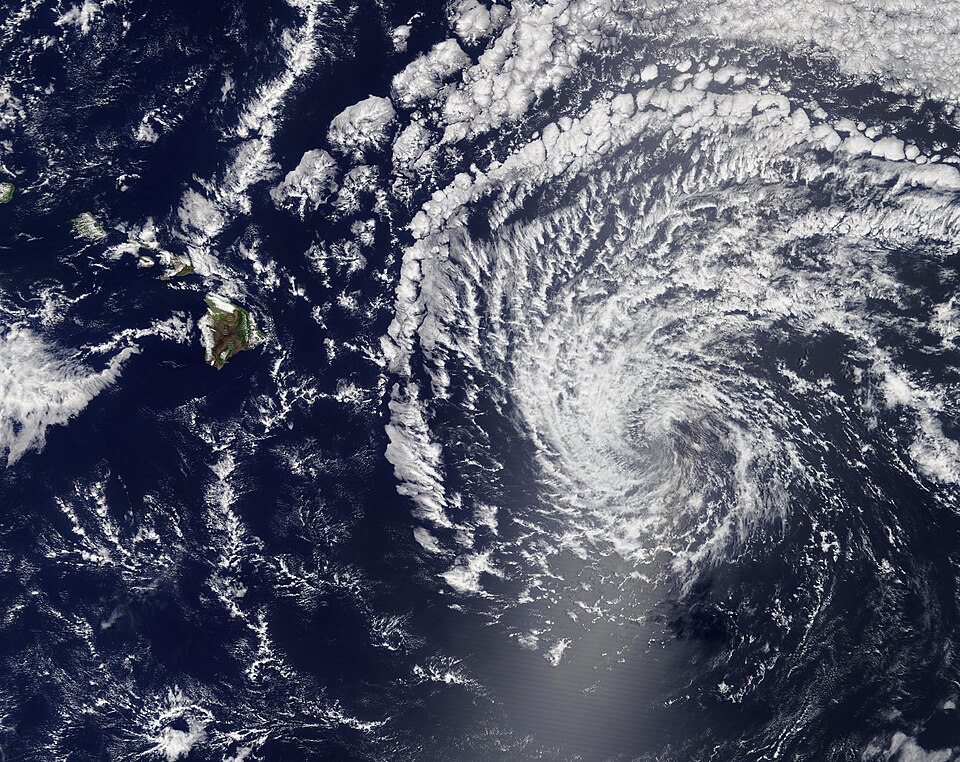
Super Typhoon Sinlaku Batters Saipan and Tinian With 150 mph Winds; Guam Hit by Flash Flooding as FEMA Deploys After Widespread Damage
Super Typhoon Sinlaku tore across the Northern Mariana Islands overnight, making landfall on Saipan and Tinian with sustained winds near 150 mph and gusts higher, after strengthening over open water to a peak near 180 mph and later stabilizing in the upper 170s. The storm’s core crossed Tinian and Saipan late Monday local time, with a broad wind field — typhoon‑force winds extending roughly 80 miles from the center and tropical‑storm‑force winds reaching out as far as 275 miles — producing prolonged destructive conditions as the system slowed over the islands. President Donald Trump approved emergency disaster declarations for Guam and the Northern Mariana Islands, and FEMA has mobilized, coordinating nearly 100 staff along with EPA, DOT and U.S. Army Corps of Engineers personnel; officials said federal response activities are continuing despite ongoing constraints tied to a record‑long Department of Homeland Security shutdown.
Early reports from PBS, NPR, the New York Times and local officials describe widespread structural damage across Saipan and Tinian — tin roofs and wooden structures ripped away, cars flipped, balcony railings torn off and water intrusion into concrete homes — though local authorities reported no confirmed deaths as of the latest reporting. Guam avoided a direct eyewall hit but has seen torrential rain, flash flooding, tropical‑storm‑force gusts (some stations reporting gusts up to about 80 mph), islandwide school closures and significant power and water disruptions; the American Red Cross is sheltering more than 1,000 people across Guam and the Northern Marianas. The human and economic stakes are acute: Saipan accounts for roughly 43,000 of the commonwealth’s 47,329 residents and Tinian about 2,000, median household income in the CNMI was about $31,362 in 2019, and past experience after Super Typhoon Yutu in 2018 suggests large numbers of homes are vulnerable and outages and recovery could take months in the hardest‑hit communities.
Coverage of Sinlaku shifted quickly as the storm arrived. Initial reporting emphasized government preparations and suggested Guam’s risk of eyewall‑force winds had diminished; later, on‑the‑ground dispatches from PBS, NPR, the New York Times and updates from CBS highlighted far more severe, localized damage and prolonged hazardous conditions on Saipan and Tinian, driven by the storm’s slowdown and eyewall passage. Social media amplified both warnings and immediate relief efforts: WeatherNation and local meteorology accounts warned of life‑threatening flooding and wind, relief groups like World Central Kitchen posted about delivering hot meals in Guam, and disaster‑response volunteers signaled readiness to deliver emergency supplies and satellite communications once access is restored. That combination of shifting reporting and activist response underscores how quickly the picture evolved from forecasted threat to confirmed, widespread damage requiring sustained federal, military and local recovery operations.
📊 Relevant Data
The population of the Commonwealth of the Northern Mariana Islands was 47,329 according to the 2020 census, with 43,385 residents in Saipan Municipality and 2,044 in Tinian Municipality.
2020 Island Areas Censuses: Commonwealth of the Northern Mariana Islands (CNMI) — U.S. Census Bureau
Super Typhoon Yutu in 2018 caused major damage or destruction to over 1,000 homes on the CNMI islands of Tinian and Saipan.
2018 Pacific Island Disasters: Federal Actions Helped Facilitate the Response, but FEMA Could Improve Guidance on Catastrophic Disasters — U.S. Government Accountability Office
The median household income in the Commonwealth of the Northern Mariana Islands was $31,362 in 2019.
2020 Census DHC Summary File for the CNMI — U.S. Census Bureau
Following Super Typhoon Yutu in 2018, power outages in Saipan and Tinian lasted for months, with estimates suggesting restoration could take up to four months based on prior events.
US Mariana Islands hit by Super Typhoon Yutu, leaving 'a lot of damage and destruction' — CBS News
📌 Key Facts
- Super Typhoon Sinlaku was the strongest tropical cyclone on Earth so far in 2026: it peaked at about 180 mph over open ocean, stabilized near 175 mph, and when its eyewall crossed the Northern Mariana Islands (Tinian and Saipan) it produced sustained winds in the ~130–150 mph range (strong Category 4 conditions).
- Official warnings covered the region: typhoon warnings were issued for Saipan, Tinian, Rota, Alamagan, Pagan and Agrihan, with Guam under a tropical‑storm warning and a typhoon watch; the storm’s wind field extended typhoon‑force winds up to ~80 miles from the center and tropical‑storm‑force winds up to ~275 miles.
- Saipan and Tinian suffered extensive structural damage—tin/metal roofs ripped off, wooden and tin structures collapsed, cars flipped or stacked, balcony railings torn away, and water intrusion even into concrete homes—with many residents and officials saying the islands were left dramatically changed after the storm.
- Guam avoided a direct eyewall hit but experienced torrential rain, flash flooding and tropical‑storm‑force gusts (reports of gusts up to 60–80 mph); widespread power outages, school closures and orders for residents and military personnel to shelter in place were reported, and strong winds were expected to persist through the following day(s).
- Despite extensive destruction and continued hazardous conditions, local officials reported no confirmed deaths at the time of reporting; the American Red Cross and local shelters were housing more than 1,000 residents across Guam and the Northern Marianas.
- The federal government activated emergency disaster declarations for Guam and the Northern Mariana Islands, and FEMA coordinated a response that included nearly 100 FEMA staff and personnel from EPA, DOT and the U.S. Army Corps of Engineers, with officials noting response operations were being staged despite an ongoing Department of Homeland Security shutdown.
- On‑the‑ground reporting and officials described prolonged and dangerous conditions as Sinlaku slowed near the islands—making rescues difficult amid flying debris, flooded homes and extended hours of destructive winds and rains.
- Assessments linked the pattern and extent of damage to local building stock and roof types: homes with metal/tin roofs and wooden construction were particularly vulnerable, while concrete structures fared better though many still experienced water intrusion and damage.
📰 Source Timeline (9)
Follow how coverage of this story developed over time
- NPR/AP report that Sinlaku was 'the strongest tropical cyclone on Earth this year' when it hit Saipan and Tinian, with sustained winds up to 150 mph at landfall.
- Local officials say there are no reported deaths so far, despite extensive damage, according to Saipan mayor's office spokesperson Jaden Sanchez and former lawmaker Ed Propst.
- American Red Cross is sheltering more than 1,000 residents across Guam and the Northern Marianas, according to spokesperson Stephanie Fox.
- Eyewitnesses on Saipan describe tin roofs ripped off, cars flipped and stacked, balcony railings torn away, and rain penetrating even concrete homes, leaving 'every house just flooded with water.'
- National Weather Service on Guam expects winds of 75 mph or greater to continue through Wednesday afternoon, with winds still around 50 mph too strong for residents to safely go outside for at least another day and a half.
- Detailed on‑the‑ground damage reports from Saipan and Tinian, including collapsed buildings, ripped‑off roofs and water intrusion into concrete homes.
- Updated impact figures on people in shelters across Guam and the Northern Marianas and confirmation that no deaths had yet been reported despite extensive destruction.
- Specifics on U.S. federal response: presidential emergency declarations for Guam and the Northern Mariana Islands and FEMA coordination with nearly 100 staff and other federal agencies deploying.
- Building‑stock vulnerability data for the islands (share of homes with concrete vs. metal roofs) tied directly to observed damage from Sinlaku.
- Confirms Sinlaku made landfall on Tinian and Saipan with sustained winds up to about 150 mph, described as the strongest storm on Earth so far this year.
- Reports extensive structural damage on Saipan and Tinian, including multiple tin roofs torn off, trees thrown around, wooden and tin structures collapsed, and widespread water intrusion even in concrete homes.
- Details that Guam, though missing the eyewall, experienced tropical‑storm‑force gusts, torrential rain and flash flooding while U.S. military officials there ordered personnel to shelter in place.
- Includes direct eyewitness accounts from Saipan resident Glen Hunter and Saipan Mayor Ramon 'RB' Jose Blas Camacho describing flying debris, flooded homes, and difficulty conducting rescues during the height of the storm.
- Notes that Sinlaku slowed as it approached, prolonging destructive conditions overnight and that many residents 'will wake up to a different island,' according to NWS meteorologist Landon Aydlett.
- Confirms Sinlaku is the strongest tropical cyclone on Earth so far in 2026, with sustained winds up to 150 mph as it crosses the Northern Mariana Islands.
- Reports that the storm has slowed to a crawl over Tinian and Saipan, raising concern that destructive winds and rains will linger for many hours overnight.
- Provides on‑the‑ground quotes from Saipan Mayor Ramon “RB” Jose Blas Camacho describing flying debris, collapsed wooden and tin structures, and difficulty conducting rescues.
- Notes that torrential rainfall and flash flooding are already occurring in Guam, with weather officials urging residents to stay indoors and away from windows.
- Adds National Weather Service commentary that many residents on Tinian and Saipan “will wake up to a different island,” emphasizing expected structural damage.
- Confirms Sinlaku’s inner eyewall moved over Tinian and Saipan around 10:15 p.m. local time (8:15 a.m. ET) with maximum sustained winds of 130 mph, a strong Category 4 at that point.
- Clarifies that Guam is not expected to see a direct hit, though gusts up to 80 mph have been recorded and tropical-storm-force winds are forecast to persist through Wednesday afternoon.
- Reports concrete local impacts: Guam schools closed Tuesday and Wednesday, widespread power outages acknowledged by the water authority, and authorities urging residents to remain indoors and out of the water.
- Details that Sinlaku earlier became nearly stationary about 30 miles off the Marianas for several hours, and that its peak over open ocean reached 180 mph, making it the most powerful storm globally so far this year.
- Lists current warning configuration: typhoon warnings for Rota, Tinian, Saipan, Alamagan, Pagan and Agrihan, and a tropical-storm warning plus typhoon watch for Guam.
- The New York Times piece further characterizes Sinlaku as an 'extremely dangerous' super typhoon and details updated track forecasts that suggest Guam may avoid a direct eyewall hit while the Northern Marianas, especially Saipan and Tinian, remain at greatest risk.
- It adds more granular on‑the‑ground reporting from residents and local officials about early impacts, including specific wind gusts already recorded on Guam, localized flooding, and the condition of shelters as the outer bands arrive.
- The article provides additional color on constraints posed by the ongoing federal shutdown and how FEMA and military commands are attempting to work around staffing and funding limits while staging assets in the region.
- President Donald Trump approved emergency disaster declarations for Guam and the Northern Mariana Islands on Saturday, unlocking additional federal help with emergency services.
- FEMA says it is coordinating support across multiple agencies and is dispatching almost 100 FEMA staff plus personnel from EPA, DOT and the U.S. Army Corps of Engineers.
- FEMA officials state that emergency response functions continue during the record-long Department of Homeland Security shutdown, with more than 10,000 disaster personnel still paid and about $3.6 billion remaining in the disaster relief fund as of late March.
- The storm is already lashing Guam with heavy rain and tropical-storm-force gusts up to 60 mph early Tuesday, with most businesses closed and residents told to stay home.
- U.S. military officials on Guam have ordered personnel to prepare and shelter in place; the military controls about one-third of the island and uses it as a critical Pacific hub.
- Confirms Sinlaku’s maximum sustained winds have stabilized at 175 mph after peaking at 180 mph on Sunday, making it the strongest storm of 2026 so far, ahead of typhoons Narelle and Dudzai.
- Details the current warning and watch configuration: typhoon warnings for Rota, Tinian and Saipan; tropical storm warnings for Guam, Pagan and Alamagan; typhoon watch for Guam; and tropical storm watch for Agrihan.
- Reports Guam’s Joint Information Center advisory stating that while the threat of typhoon‑force winds for Guam has significantly diminished, the island still faces an extended period of tropical‑storm‑force winds from Monday night through Wednesday.
- Provides updated wind‑field size: typhoon‑force winds extending up to 80 miles from the center and tropical‑storm‑force winds extending up to 275 miles.