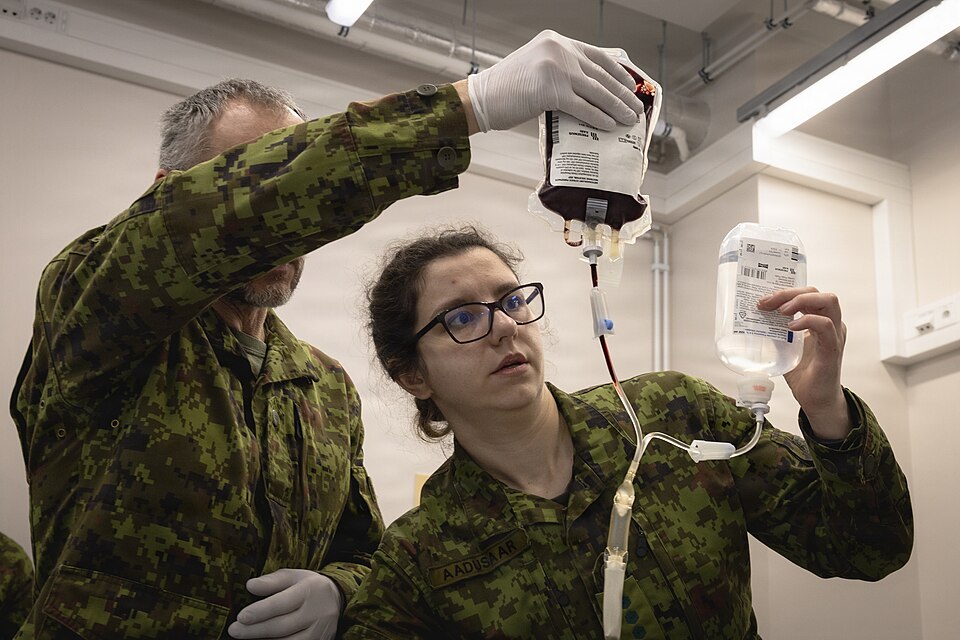
Study Finds ‘Unvaccinated’ Blood Demands Delay Care and Increase Transfusion Risks
A new Vanderbilt University study in the journal Transfusion reports that 15 patients requested blood from unvaccinated donors between Jan. 1, 2024, and Dec. 31, 2025, often delaying standard transfusions despite no evidence such blood is safer. Thirteen of those cases relied on “directed donations” from family members, which the authors note are typically first-time donors and statistically more likely to carry undetected pathogens, contradicting claims that this approach is safer. Two patients who refused standard blood became significantly sicker: one developed anemia and another suffered hemodynamic shock, a life‑threatening condition caused by inadequate blood flow and oxygen to tissues. The study emphasizes that current U.S. blood systems do not track donors’ COVID‑19 vaccination status and that professional and regulatory groups oppose creating “unvaccinated blood” streams as non‑evidence‑based and potentially harmful. Researchers recommend that hospitals and blood centers adopt clear, standardized policies to handle such requests as vaccine misinformation continues to drive some Americans to demand segregated blood supplies.
📌 Key Facts
- Vanderbilt University identified 15 patient requests for 'unvaccinated' blood between Jan. 1, 2024 and Dec. 31, 2025, with a median patient age of 17 and more than half children.
- Thirteen of the 15 patients used family 'directed donations,' which the study notes are more likely to contain potentially harmful pathogens because most such donors are first‑timers.
- Two patients worsened clinically after refusing standard transfusions, developing anemia and hemodynamic shock respectively.
- U.S. blood centers do not record or disclose donor COVID‑19 vaccination status, and regulators say transfusions from vaccinated donors pose no unique risk.
- The authors urge health systems to create standardized policies to respond to requests for 'unvaccinated' blood and warn that these demands are causing care delays and inefficiencies.
📊 Relevant Data
In 2024-2025, COVID-19 vaccine uptake was approximately 14% among Hispanic American adults compared to 25% among White American adults, while Hispanics comprise about 19% of the US population and Whites about 59%.
Conflicting advice on Covid shots likely to ding already low vaccination rates — CNN
Anemia prevalence in the US from August 2021 to August 2023 was 31.4% among Black non-Hispanic females and 10.8% among Black non-Hispanic males, compared to overall rates of 13.0% for females and 5.5% for males, with prevalence increasing as family income-to-poverty ratio decreases.
Anemia Prevalence: United States, August 2021–August 2023 — CDC National Center for Health Statistics
Trust in the CDC for vaccine information as of February 2026 was reported by 55% of Democrats, 43% of Republicans, and 46% of independents, reflecting partisan differences in vaccine-related attitudes.
Trust in the CDC and Views of Federal Childhood Vaccine Schedule Changes — KFF
📰 Source Timeline (1)
Follow how coverage of this story developed over time