Federal Tax Breaks on Tips and Overtime Help Lift 2026 Refunds, but Higher Gas Prices Offset Gains
President Trump’s tax changes — enacted in the One Big Beautiful Bill Act and taking effect for some taxpayers in 2025–2026 — have clearly lifted average federal refunds this filing season, but the benefit is uneven and partly offset by higher living costs. IRS data show the average 2026 federal refund so far is $3,462, about an 11% increase (roughly $350) from 2025, a jump analysts largely attribute to the new federal exclusion of income taxes on tips and on overtime and to $106 billion in retroactive relief that reduced many people’s 2025 tax bills. Early projections that touted as much as a $1,000 average boost have been clarified as hypothetical maximums that assume every filer gets a refund; survey data indicate 14% of taxpayers report a “significantly” larger refund, while roughly one‑third had tipped income or overtime, and many intend to use refunds to pay down debt or save.
That federal picture masks a patchwork of state responses that will determine who actually keeps more money. Several states — Idaho, Iowa, Montana, North Dakota and Oregon — now offer state-level deductions mirroring the federal changes for tips, overtime and certain car‑loan interest, while others take a narrower or different approach: Colorado permits deductions for tips and auto‑loan interest but not overtime; Alabama allows only the auto‑loan deduction. Arizona is an outlier where state tax forms currently list the Trump‑related deductions under a November executive order even though the legislature has not changed law and the governor vetoed related bills, prompting warnings that Arizonans may be instructed to claim benefits they are not yet legally entitled to. That divergence stems from differing state tax rules — some states automatically conform to federal changes unless they opt out, while most require affirmative legislative action to follow federal law — and it has fueled political debate and social‑media backlash about who benefits and who bears the cost.
Even for people who do get larger refunds, economic headwinds blunt the relief. National average gasoline prices have risen to about $4.12 per gallon, and one estimate from Stanford economists suggests the typical household will pay roughly $740 more for gas in 2026 — about double the average refund increase so far — erasing much or all of the immediate gain for many families. Coverage of the story has shifted in recent weeks: early headlines emphasized big potential refund boosts and optimistic analyst scenarios, but newer reporting has highlighted the limits of those gains — state‑by‑state disparities, legal and administrative complications (notably in Arizona), and the real‑world offset from higher fuel costs. That reframing, pushed by state‑focused reporting and financial outlets, helps explain why the headline “tax cuts boost refunds” does not translate uniformly into greater household purchasing power. Social media voices have echoed and amplified that tension, with critics arguing some states are blocking the relief to protect budgets, others saying the cuts are temporary political giveaways, and still others accusing state governments of capturing or denying the benefits for fiscal or partisan reasons.
📊 Relevant Data
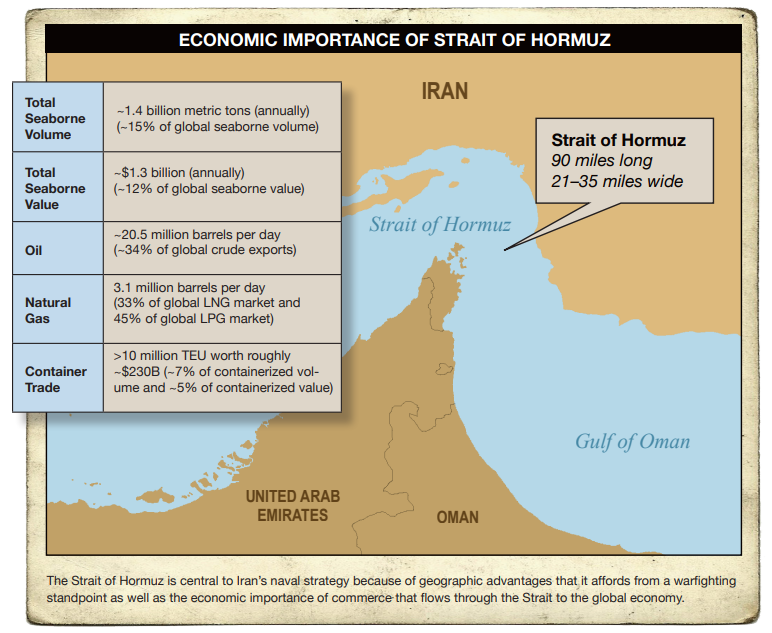
In 2024, oil flow through the Strait of Hormuz averaged 20 million barrels per day, equivalent to about 20% of global petroleum liquids consumption.
Amid regional conflict, the Strait of Hormuz remains critical to global energy security — U.S. Energy Information Administration
📌 Key Facts
- Average 2026 federal tax refund so far is $3,462, an 11% increase (about $350) from 2025, per IRS data.
- Analysts attribute much of the refund increase to new deductions in the One Big Beautiful Bill Act, especially elimination of federal income tax on tips and overtime.
- Piper Sandler’s earlier projection of up to a $1,000 average refund boost was a ‘hypothetical maximum’ that assumes every filer gets a refund; separately, $106 billion in retroactive relief also lowers tax bills for those who don’t receive refunds.
- Survey data: 14% of taxpayers report a 'significantly' larger refund; about one-third of taxpayers have tipped income or overtime; over one-third plan to use refunds to pay down debt and about 13% plan to save.
- Rising gas costs have offset gains from larger refunds: the national average gasoline price is $4.12 per gallon, and Stanford economists estimate the average household will pay about $740 more for gas in 2026—roughly double the typical refund increase so far.
- Five states now offer all three related state deductions (tips, overtime and U.S.-assembled auto-loan interest): Idaho, Iowa, Montana, North Dakota and Oregon.
- State treatment varies: Colorado allows state deductions for tips and auto-loan interest but not overtime (it auto-conformed to the federal overtime change), while Alabama allows only the auto-loan deduction; some states automatically conform to federal changes but most require proactive legislative updates (as Idaho did).
- Arizona’s state tax forms list the Trump-related deductions under a November executive order even though the legislature did not change state law and the governor vetoed related bills; experts warn Arizonans are being instructed to claim deductions they are not yet legally entitled to.
📊 Analysis & Commentary (1)
"The WSJ opinion argues that progressive, high‑tax states are driving away jobs and residents while flat‑tax reforms in lower‑tax states are producing stronger job growth, framing state tax competition as a key economic divide."
📰 Source Timeline (3)
Follow how coverage of this story developed over time
- Average 2026 federal tax refund so far is $3,462, an 11% increase (around $350) from 2025, per IRS data.
- Analysts attribute much of the refund increase to new deductions in the One Big Beautiful Bill Act, especially elimination of federal income tax on tips and overtime.
- Piper Sandler’s earlier projection of up to a $1,000 average refund boost is clarified as a ‘hypothetical maximum’ assuming every filer gets a refund; $106 billion in retroactive relief also lowers tax bills for those who don’t get refunds.
- Survey data show 14% of taxpayers report a ‘significantly’ larger refund, about one-third had tipped income or overtime, over one-third plan to use refunds to pay down debt and about 13% plan to save.
- National average gasoline price has risen to $4.12 per gallon, with Stanford economists estimating the average household will pay an extra $740 for gas in 2026—roughly double the typical refund increase so far.
- Confirms which states now offer all three deductions (tips, overtime and U.S.-assembled auto-loan interest): Idaho, Iowa, Montana, North Dakota and Oregon.
- Clarifies that Colorado allows state deductions for tips and auto-loan interest but not overtime; Alabama allows only the auto-loan deduction.
- Details Arizona’s unusual situation in which state tax forms list the Trump-related deductions under a November executive order, even though the legislature has not changed state law and the governor has since vetoed related bills; experts warn Arizonans are being instructed to take deductions they are not yet legally entitled to.
- Adds explanation that some states automatically conform to federal changes unless they affirmatively opt out (as Colorado did for overtime), while most require proactive legislative updates (as Idaho did).