Trump Opens Strait of Hormuz Naval Blockade, Links Talks’ Collapse to Iran Nuclear Refusal
President Trump ordered a naval blockade of the Strait of Hormuz after 21-hour Islamabad talks collapsed, saying Iran refused to give an “affirmative” pledge not to pursue a nuclear weapon despite agreement on most points; two U.S. destroyers transited the strait to begin clearing IRGC-laid mines as initial implementation. Trump claimed his April 7 threats had forced Tehran into talks and predicted further pressure would yield concessions, while Pakistan and Oman urged extending the ceasefire and negotiations and analyst Rob Malley warned both sides’ belief they hold the upper hand makes meaningful compromise unlikely.
📌 Key Facts
- President Trump says 21-hour Islamabad talks ended without agreement because Iran would not provide an "affirmative" pledge not to pursue a nuclear weapon, though he asserted that "most points were agreed to."
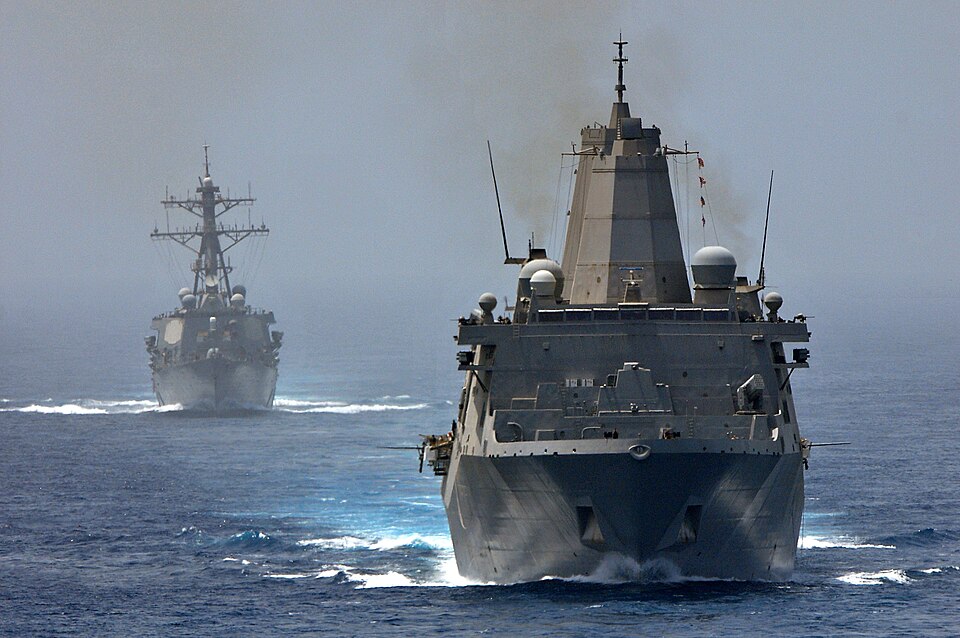
- Trump has ordered a Strait of Hormuz naval blockade and mine-clearance operation; two U.S. destroyers transited the Strait on Saturday to begin clearing IRGC-laid mines, marking initial implementation of the blockade and a prior Truth Social announcement.
- Trump claimed his April 7 threat to wipe out Iran's "whole civilization" helped force Tehran into direct talks and predicted Iran would "give us everything we want" if pressure continues.
- Pakistan’s and Oman’s foreign ministers — public mediators in the talks — urged extension of the ceasefire and continuation of negotiations, framing diplomatic pressure around the blockade decision.
- Rob Malley assessed that both sides believe they hold the upper hand, a dynamic he says makes the concessions needed for a deal unlikely under current conditions.
📊 Relevant Data
Approximately 25% of the world's maritime oil trade passes through the Strait of Hormuz, with an average of 20.3 million barrels of petroleum and crude oil transiting daily.
How Much Oil Passes Through the Strait of Hormuz? — Britannica
The Philippines is the largest supplier of seafarers globally, providing around 20-25% of the world's merchant fleet crew, far exceeding its 1.4% share of the global population, with many working on oil tankers and ships transiting chokepoints like the Strait of Hormuz.
SEAFARERS-REPORT-final.pdf — International Chamber of Shipping (ICS)
Black households in the U.S. face a 43% higher energy expenditure per square foot compared to White households, with Hispanic households facing a 20% higher burden, exacerbating disparities during oil price spikes from disruptions like those in the Strait of Hormuz.
The Race Gap in Residential Energy Expenditures — U.S. Department of Energy
The U.S. Navy has the highest share of non-White active-duty personnel among military branches, with about 40% non-White in 2024, compared to the overall military average of 32%, potentially affecting exposure in operations like the Strait of Hormuz blockade.
How many people are in the US military? — USA Facts
📰 Source Timeline (2)
Follow how coverage of this story developed over time
- Clarifies that the 21-hour Islamabad talks ended without agreement because, according to Trump, Iran would not provide an "affirmative" pledge not to pursue a nuclear weapon, even though he says "most points were agreed to."
- Adds that two U.S. destroyers or warships transited the Strait of Hormuz on Saturday, for the first time since the war began, to start clearing IRGC-laid mines, showing initial implementation of the blockade and mine-clearance order previously announced on Truth Social.
- Includes Trump’s televised claim that his April 7 threat to wipe out Iran’s "whole civilization" was instrumental in forcing Tehran into direct talks, and his prediction that Iran will "give us everything we want" if pressure continues.
- Provides public mediator reactions from Pakistan’s foreign minister and Oman’s foreign minister urging extension of the ceasefire and continuation of negotiations, giving a fuller diplomatic backdrop to the blockade decision.
- Features Rob Malley’s assessment that both sides believe they hold the upper hand, which he argues makes the kind of concessions needed for a deal unlikely under current conditions.