Trump Says U.S. Navy Will Immediately Enforce Strait of Hormuz Blockade After Islamabad Talks Collapse Over Nuclear Pledge and Strait Control
Talks in Islamabad collapsed after the U.S. said Iran refused to give an affirmative pledge not to pursue a nuclear weapon and because Iran insisted on retaining control of the Strait of Hormuz while demanding an end to attacks on its proxies. From Islamabad, Trump ordered the U.S. Navy to "immediately" begin a blockade—authorizing ships to seek and interdict vessels in international waters that paid Iran tolls, saying other unnamed nations would participate—and two U.S. warships transited the strait to begin mine‑clearance, prompting calls from Pakistan, Oman, the EU and others to continue diplomacy.
📌 Key Facts
- A 21‑hour round of Islamabad talks collapsed after, U.S. officials say, Iran refused to give an "affirmative" pledge not to pursue a nuclear weapon or the means for a rapid breakout; U.S. participants say most points were otherwise agreed and the U.S. 15‑point plan included reopening the Strait of Hormuz as a key demand.
- From Islamabad, President Trump ordered the U.S. Navy to 'immediately' begin a blockade of the Strait of Hormuz, directing forces to seek and interdict vessels in international waters that have paid tolls to Iran and declaring such ships will not have 'safe passage'; he framed Iran’s toll‑collection as 'WORLD EXTORTION' and said unnamed other nations would participate.
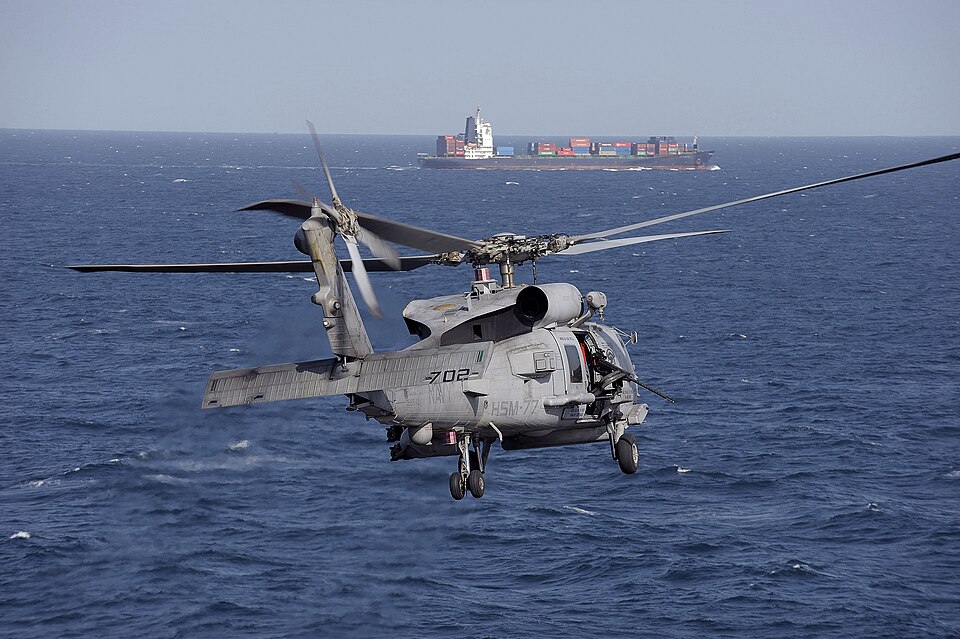
- U.S. forces began implementing the order: two U.S. destroyers transited the Strait of Hormuz to begin clearing IRGC‑laid mines, signaling initial mine‑clearance and enforcement activity.
- Iran’s 10‑point counterproposal centers on retaining control of the Strait of Hormuz, an issue Iranian officials call a national red line, and also demands cessation of attacks on its proxies (including Hezbollah) and compensation for war damage.
- The Strait of Hormuz previously carried about 20% of global oil supplies before the war; analysts warn a blockade could further rattle global oil and gas markets and raise economic stakes.
- Trump has repeatedly issued extreme threats against Iran — including vows to destroy power plants and that 'a whole civilization will die' — later saying those threats helped bring Tehran to talks; he reportedly postponed planned strikes in short increments at Tehran’s request, a pattern critics call dangerous brinkmanship and, in some cases, genocidal rhetoric.
- Iran has warned that any U.S. strikes on energy infrastructure would be treated as an attack on the Iranian people and met with retaliation, underscoring the potential for major escalation.
- Regional mediators and other international actors (Pakistan, Oman, the EU and Russia) urged extending the ceasefire and continuing negotiations; observers such as Rob Malley say both sides believe they hold the upper hand, making the concessions needed for a deal unlikely under current conditions.
📊 Relevant Data
Filipino seafarers make up approximately 25% of the global seafaring workforce in 2024, with significant overrepresentation on oil tankers transiting chokepoints like the Strait of Hormuz, compared to the Philippines' 1.4% share of the world population.
Deep dive on seafarer sustainability — Lloyd's Register Foundation
In 2024, 32.5% of U.S. active-duty military members identify with racial minority groups, with the Navy having the highest share of non-White personnel at around 40%, potentially increasing exposure disparities in high-risk operations like the Strait of Hormuz blockade.
2024 Demographic Profile Active-Duty Members — Military OneSource
Black households in the U.S. face a 43% higher energy expenditure per square foot compared to White households, with causes including older building ages and lower homeownership rates, exacerbating burdens during oil disruptions like those from the Strait of Hormuz closure.
Energy burden: Exploring the intersection of race, income, and urban form — Energy and Buildings (ScienceDirect)
In 2026 polling, 85% of Republicans ages 50 and older approved of U.S. military action against Iran, compared to only 58% of younger Republicans, indicating generational divides in support for policies like the Strait of Hormuz blockade.
Americans Broadly Disapprove of U.S. Military Action in Iran — Pew Research Center
Historically, the U.S. has not imposed a full blockade on the Strait of Hormuz, but during the 1980-1988 Iran-Iraq War (Tanker War), both sides attacked tankers and Iran threatened closure, leading to U.S. naval escorts and reflagging of ships to protect oil flows.
Six crises in the Strait of Hormuz throughout history — Binance Square
📰 Source Timeline (5)
Follow how coverage of this story developed over time
- Confirms from Pakistani officials that the U.S. 15‑point plan includes reopening the Strait of Hormuz as a key demand, not just nuclear assurances.
- Adds that Iran’s 10‑point counterproposal centers on retaining control over the Strait of Hormuz, cessation of attacks on its proxies including Hezbollah, and war‑damage compensation.
- Provides additional on‑record quotes from JD Vance clarifying that the U.S. wants not only a verbal assurance but an 'affirmative commitment' Iran will not seek a nuclear weapon or the means for rapid breakout.
- Shows Iranian officials publicly signaling that control of the Strait of Hormuz is a red‑line issue tied to national 'rights,' reinforcing that it is not just a bargaining chip.
- Trump publicly states from Islamabad that the Navy will 'immediately' start a blockade to stop ships entering or leaving the Strait of Hormuz, going beyond prior 'plan' language.
- He specifies an enforcement rule: the Navy is to 'seek and interdict every vessel in International Waters that has paid a toll to Iran,' declaring that such ships will not have 'safe passage on the high seas.'
- The article emphasizes that other nations will participate in the blockade, though Trump does not name them, raising questions about coalition structure and legality.
- It highlights the economic stakes by recalling the strait handled about 20% of global oil supplies before the war and warning a blockade could further rattle oil and gas markets.
- The piece reiterates and contextualizes Trump’s earlier statement that 'a whole civilization will die tonight' — criticized as genocidal rhetoric — as he again threatens to 'finish up' Iran and to strike civilian infrastructure.
- It notes that Pakistani mediators, the EU, Oman and Russia are all calling for continued diplomacy or 'painful concessions,' showing immediate international reaction to both the failed talks and blockade declaration.
- Spells out that Trump is framing the blockade as denying ‘safe passage’ specifically to vessels that have paid Iran’s ‘illegal’ tolls, not an absolute halt to all shipping once his ‘all being allowed to go in, all being allowed to go out’ condition is met.
- Details that Trump is publicly characterizing Iranian toll‑collection as ‘WORLD EXTORTION,’ language likely to shape how the administration sells the campaign to allies and oil markets.
- Documents that Trump’s threats to destroy Iranian power plants and energy infrastructure were repeatedly postponed in short increments (five days, then ten days) at what he claims was Tehran’s request, suggesting a pattern of brinkmanship more than a single, one‑off decision.
- Includes Iranian responses that any U.S. strike on energy infrastructure would be treated as an attack on the Iranian people and met with retaliation, underscoring the potential for major escalation if Trump carries out his threats.
- Clarifies that the 21-hour Islamabad talks ended without agreement because, according to Trump, Iran would not provide an "affirmative" pledge not to pursue a nuclear weapon, even though he says "most points were agreed to."
- Adds that two U.S. destroyers or warships transited the Strait of Hormuz on Saturday, for the first time since the war began, to start clearing IRGC-laid mines, showing initial implementation of the blockade and mine-clearance order previously announced on Truth Social.
- Includes Trump’s televised claim that his April 7 threat to wipe out Iran’s "whole civilization" was instrumental in forcing Tehran into direct talks, and his prediction that Iran will "give us everything we want" if pressure continues.
- Provides public mediator reactions from Pakistan’s foreign minister and Oman’s foreign minister urging extension of the ceasefire and continuation of negotiations, giving a fuller diplomatic backdrop to the blockade decision.
- Features Rob Malley’s assessment that both sides believe they hold the upper hand, which he argues makes the kind of concessions needed for a deal unlikely under current conditions.