Xi Meets Taiwan Opposition Kuomintang Leader Before Trump Summit and Signals Push Against U.S. Arms Sales
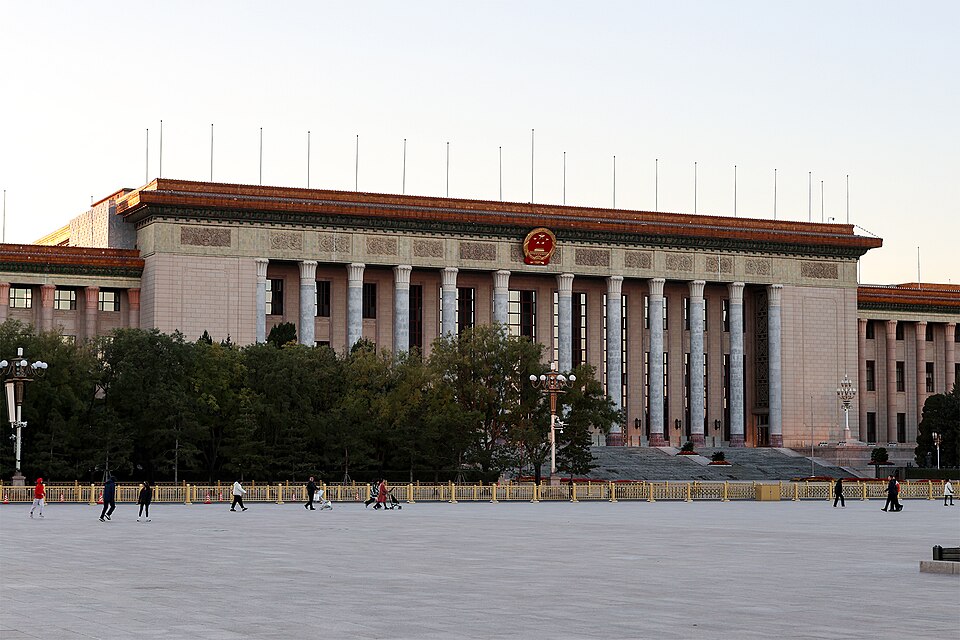
Chinese leader Xi Jinping met KMT chair Cheng Li‑wun at Beijing’s Great Hall of the People on April 10, 2026 — the first official meeting between sitting CCP and KMT heads in nearly a decade — where Xi framed Taiwan’s future as tied to a “strong motherland” and Cheng called the trip a “peace mission,” reiterated that both sides “belong to one China” while opposing formal independence. The outreach, timed ahead of Xi’s mid‑May summit with President Trump where he is expected to press opposition to U.S. arms sales, comes as Beijing courts a politically weak KMT (polls under one‑third support) that has delayed Taiwan President Lai’s requested eight‑year, $40 billion U.S. defense package and proposed a much smaller alternative.
📌 Key Facts
- Chinese leader Xi Jinping met Kuomintang (KMT) chair Cheng Li‑wun on Friday, April 10, 2026, at Beijing’s Great Hall of the People — the first official meeting between sitting heads of the Chinese Communist Party and the KMT in almost a decade.
- State media Xinhua quoted Xi saying Taiwan’s 'development prospects hinge on a strong motherland' and that he expects more Taiwanese to see their interests tied to the 'great rejuvenation of the Chinese nation,' framing Taiwan’s future as dependent on China.
- Beijing’s outreach to KMT leaders is linked to Xi’s agenda for a mid‑May summit with U.S. President Donald Trump, where Xi is expected to press opposition to U.S. arms sales to Taiwan.
- KMT chair Cheng Li‑wun affirmed that both sides of the Taiwan Strait 'belong to one China,' rejected formal Taiwanese independence, called her trip a 'peace mission,' and has publicly promoted the line that 'Taiwan doesn’t have to choose' between China and the U.S.
- Analysts, including George Yin of National Taiwan University, say Cheng is leveraging rising anxiety in Taiwan about dealing with a Trump administration to argue Taiwan can 'hedge' rather than choose definitively between China and the U.S.; observers say Xi seeks to pull that hedging narrative closer to Beijing’s preferred framing.
- Taiwan President Lai has requested an eight‑year, $40 billion special defense package — including U.S. arms — to deter a Chinese invasion; the KMT legislative majority has delayed the bill and proposed a far smaller amount.
- An April survey cited in reporting shows the KMT has under one‑third public support in Taiwan, underscoring that Beijing is courting a relatively weak opposition party to influence Taiwan policy.
📊 Relevant Data
Recent trends in public opinion show that the youngest adults in Taiwan (under 30) are less supportive of the Democratic Progressive Party (DPP), less supportive of independence, and hold more positive impressions of mainland China compared to older cohorts.
Cross-Strait crossroads: Pathways for America's Taiwan policy — Brookings Institution
In a 2025 Taiwan Public Opinion Foundation survey on attitudes toward the KMT, the cohort of 25-34 year-olds is the most critical of the KMT, followed by those aged 35-44, while the youngest voters view the KMT skeptically but at lower rates than those a decade or two older.
The Present and Future of the KMT in Taiwan — Foreign Policy Research Institute
A 2025 poll by Apollo Survey & Research Co showed that for KMT chairmanship contenders, support varied by age: Hau Lung-bin drew most support from KMT members aged 75 and older, while Cheng Li-wun and Lo Chih-chiang were favored by younger and middle-aged cohorts.
KMT chair race reveals the party's age divide — Taipei Times
📰 Source Timeline (2)
Follow how coverage of this story developed over time
- Confirms the meeting took place Friday, April 10, 2026, at Beijing’s Great Hall of the People and that it is the first official meeting between sitting heads of the Chinese Communist Party and the Kuomintang in almost a decade.
- Details Xi’s message via Xinhua that Taiwan’s ‘development prospects hinge on a strong motherland’ and that he expects more Taiwanese to see their interests tied to the ‘great rejuvenation of the Chinese nation,’ directly framing Taiwan’s future as dependent on China.
- Reports that Xi is expected to raise opposition to U.S. arms sales to Taiwan at the mid‑May summit with President Donald Trump in Beijing, tying this outreach to KMT leaders to his U.S. agenda.
- Quotes KMT chair Cheng Li-wun affirming that both sides of the Taiwan Strait ‘belong to one China’ while opposing formal Taiwanese independence, and calling her trip a ‘peace mission’ to show dialogue with Beijing is possible.
- Cites an April survey showing the KMT has less than one‑third public support in Taiwan, underscoring that Beijing is courting a relatively weak opposition party to shape Taiwan policy.
- Highlights analysis from George Yin of National Taiwan University that Cheng is leveraging rising anxiety about working with Trump’s Washington to argue Taiwan can ‘hedge’ and not choose definitively between China and the U.S.
- Reports that Taiwan President Lai has requested an eight‑year, $40 billion special defense package—including U.S. arms—to deter a Chinese invasion, and that the KMT legislative majority has delayed the bill and proposed a far smaller amount.
- Notes that Cheng has spent months publicly seeking a meeting with Xi and promoting the line that ‘Taiwan doesn’t have to choose’ between China and the U.S., which analysts say Xi wants to pull closer to Beijing’s preferred framing.