Coast Guard Seizes 4,500 Pounds of Cocaine Off Ecuador Under Operation Pacific Viper
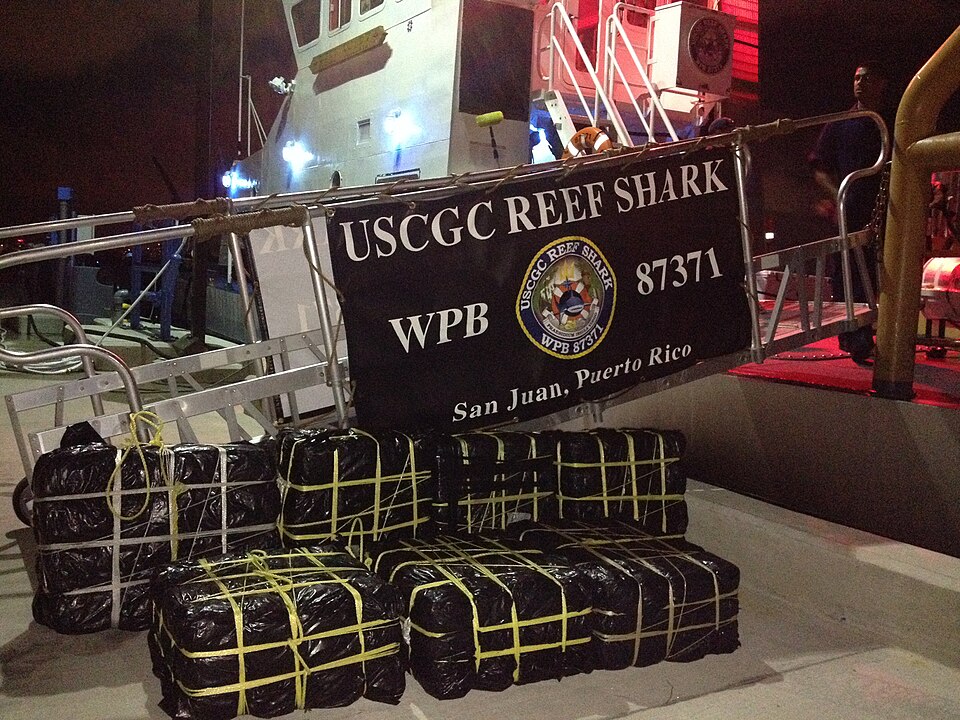
The U.S. Coast Guard seized more than 4,510 pounds of cocaine worth nearly $34 million on Easter Sunday from a suspected narco‑trafficking vessel operating off the coast of Manta, Ecuador, as part of the Trump administration’s Operation Pacific Viper. According to DHS, a maritime patrol aircraft spotted the crew throwing contraband overboard, prompting the cutter Escanaba to launch an MH‑65 Dolphin helicopter and pursuit boat that intercepted the vessel and recovered the drugs. DHS Secretary Markwayne Mullin said Pacific Viper, begun in August 2025, has now seized more than 215,000 pounds of cocaine and led to the arrests of over 160 suspected narco‑traffickers, including what the agency calls the largest drug seizure in Coast Guard history last August and another record haul last November. Officials frame the effort as a central piece of President Trump’s fight against cartels at sea and narco‑terrorism, while showcasing video of helicopter snipers disabling "go‑fast" boats to underline the military‑style tactics involved. The operation highlights how much of the U.S. cocaine supply chain is fought far from U.S. shores and will feed continuing debate over whether expensive maritime interdictions meaningfully dampen the flow of drugs into American communities.
📌 Key Facts
- On Easter Sunday, a Coast Guard cutter operating off Manta, Ecuador, seized more than 4,510 pounds of cocaine valued at nearly $34 million.
- The seizure followed a maritime patrol aircraft report of a suspected narco‑trafficking crew throwing contraband overboard; an MH‑65 Dolphin helicopter and pursuit boat from cutter Escanaba carried out the interdiction.
- DHS says Operation Pacific Viper, launched in August 2025, has seized more than 215,000 pounds of cocaine and resulted in over 160 arrests, including a 76,000‑pound drug seizure in August 2025 and a 50,000‑pound cocaine seizure in November 2025.
📊 Relevant Data
Global cocaine production reached a record 3,708 tons in 2023, with Colombia accounting for the majority of production.
Global cocaine trade hits record highs, driven by Colombian surge: UNODC — Anadolu Agency
From 2018 to 2023, increases in stimulant-involved overdose deaths (including cocaine) were largest among non-Hispanic American Indian or Alaska Native and non-Hispanic Black persons in the US.
Drug Overdose Deaths Involving Stimulants — United States, 2018–2023 — CDC Morbidity and Mortality Weekly Report
In the US, War on Drugs policies have led to large and unequal increases in arrests, particularly among Black/African American men, with racial disparities persisting post-decriminalization in some areas.
A tale of two cities: Racialized arrests following decriminalization and recreational legalization of cannabis — ScienceDirect (Journal of Substance Use and Addiction Treatment)
Genetic risk factors explain 65-79% of the variance in cocaine dependence, with heritability estimates consistent across studies.
Molecular genetics of cocaine use disorders in humans — Nature (Molecular Psychiatry)
📰 Source Timeline (1)
Follow how coverage of this story developed over time