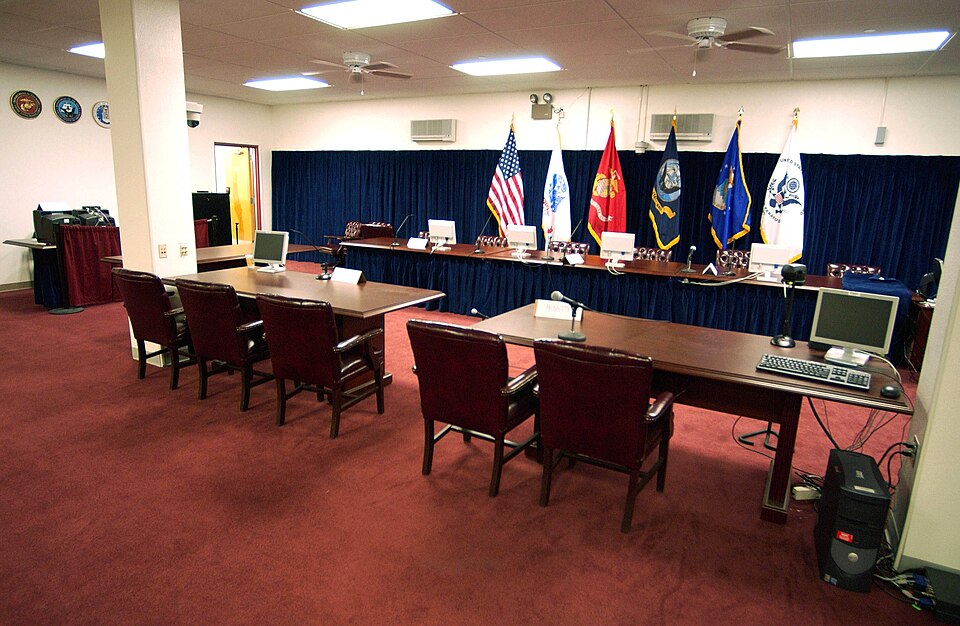
Court of International Trade Hears Challenges to Trump’s Section 122 Global Tariffs After Supreme Court IEEPA Defeat
The U.S. Court of International Trade is hearing oral arguments challenging President Trump’s Section 122 global tariffs — currently set at 10% after being imposed immediately following the Supreme Court’s Feb. 20, 2026 IEEPA defeat and not yet raised to the 15% cap. Section 122 allows up to 15% global tariffs for 150 days to address “fundamental international payments problems” and is set to expire July 24, 2026 unless Congress extends it, with the litigation focused on whether trade deficits qualify (a point on which the Justice Department previously said the statute had “no obvious application” while the trade court had suggested otherwise).
📌 Key Facts
- The U.S. Court of International Trade is hearing oral arguments on legal challenges to President Trump’s use of Section 122 to impose global tariffs.
- The tariffs were imposed immediately after the Supreme Court’s Feb. 20, 2026 IEEPA decision; the administration set them at 10% and has not raised them to the statute’s 15% cap.
- Section 122 authorizes up to 15% global tariffs for a 150-day period to address “fundamental international payments problems.”
- Those Section 122 tariffs are scheduled to expire on July 24, 2026 unless extended with congressional approval.
- The main legal question is whether U.S. trade deficits qualify as the sort of “fundamental international payments problems” that Section 122 authorizes the president to address with global tariffs.
- The dispute is complicated by competing government positions: Trump’s Justice Department previously argued Section 122 had “no obvious application” to trade deficits, while the U.S. Court of International Trade earlier indicated Section 122 could be used for that purpose.
📊 Relevant Data
The U.S. trade deficit primarily reflects a macroeconomic imbalance where domestic saving is insufficient to fund domestic investment, leading to net borrowing from abroad to finance the gap.
Are trade deficits good or bad, and can tariffs reduce them? — Dallas Fed
Despite tariffs imposed in 2025, the U.S. goods trade deficit reached a record high, with imports surging amid stockpiling ahead of tariff implementations.
In 2025, Trade Deficit in Goods Reached Record High — The New York Times
Industries most affected by rising tariff costs in the U.S. are disproportionately composed of White, male, and noncitizen workers, particularly in manufacturing sectors.
Tariff costs impact industries with mostly White, male, and noncitizen workers — Washington Center for Equitable Growth
Tariffs on imports are expected to disproportionately affect Latino workers and entrepreneurs by increasing costs in key sectors, leading to negative cascading economic effects.
Tariffs Have Consequences For Latino Workers And Entrepreneurs — Forbes
Section 122 of the Trade Act of 1974 was designed to address balance-of-payments crises related to the gold standard era, which ended in the 1970s, making its application to modern trade deficits potentially obsolete.
Section 122 of the Trade Act of 1974 Isn't for Trade Deficits,... — Yale Journal on Regulation
📰 Source Timeline (2)
Follow how coverage of this story developed over time
- Confirms that the U.S. Court of International Trade is now hearing oral arguments on the Section 122 tariff challenges.
- Details that Trump imposed 10% global tariffs under Section 122 immediately after the Supreme Court’s Feb. 20, 2026 IEEPA defeat and has not yet increased them to 15%.
- Clarifies that the Section 122 tariffs are scheduled to expire on July 24, 2026, unless extended with congressional approval.
- Explains statutory context that Section 122 allows up to 15% global tariffs for 150 days to address 'fundamental international payments problems.'
- Highlights that the dispute centers on whether trade deficits qualify as 'fundamental international payments problems' under Section 122.
- Notes that Trump’s own Justice Department previously argued Section 122 had 'no obvious application' to trade deficits, while the same trade court earlier suggested Section 122 was available for that purpose.