U.S. Authorizes Voluntary Exit of Some Nigeria Embassy Staff Amid Rising Terror Threats
The State Department has authorized the voluntary departure of non‑emergency U.S. government employees and family members from the U.S. Embassy in Abuja as of April 8, 2026, citing a "deteriorating security situation" in Nigeria. The move follows the recent deployment of about 200 U.S. troops and MQ‑9 Reaper drones to Nigeria to support local forces amid fears of a renewed Boko Haram and ISIS‑linked insurgency. A day before the authorization, gunmen on motorbikes attacked two villages in Niger state roughly 155 miles from Abuja, with residents reporting at least 20 people killed, though local police claimed only three deaths. The embassy says it will remain open but with limited ability to provide emergency services to U.S. citizens in Abuja and is urging Americans there to consider departing if they do not need to stay for essential reasons, while the consulate in Lagos will continue routine and emergency services. A Level 3 State Department travel advisory still urges Americans to reconsider travel to Nigeria because of crime, terrorism, civil unrest, kidnapping, armed gangs, and weak health‑care capacity, as security analysts online highlight the risk of U.S. forces being drawn deeper into West Africa’s overlapping insurgencies and banditry.
📌 Key Facts
- On April 8, 2026, the State Department authorized voluntary departure of non‑emergency staff and family members from the U.S. Embassy in Abuja.
- The embassy warns it has limited capacity to provide emergency services in Abuja and urges U.S. citizens there to consider departing; the Lagos consulate remains fully operational.
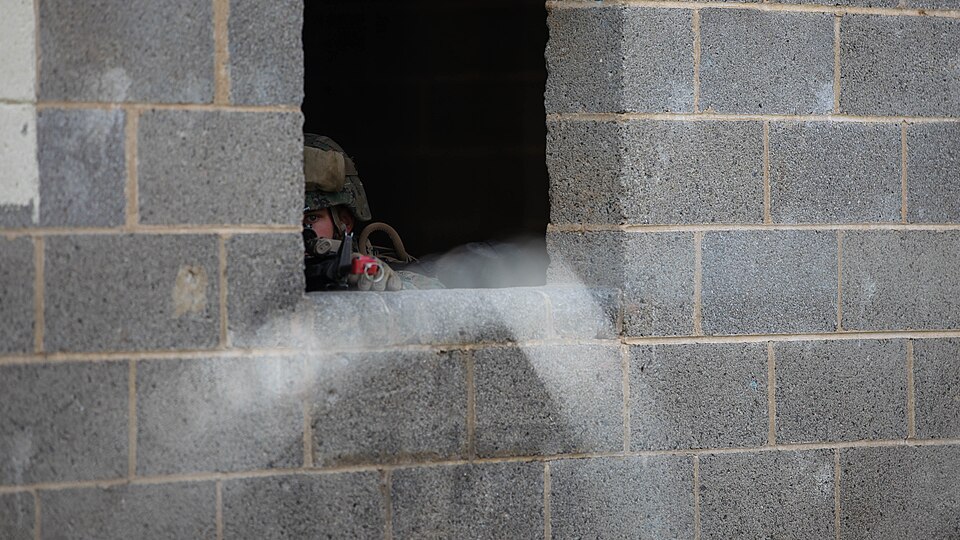
- About 200 U.S. troops and MQ‑9 Reaper drones were deployed to Nigeria in February–March to provide intelligence support, advisory assistance and training against Boko Haram, ISWAP and other armed groups.
- Gunmen on motorbikes attacked Bagna and Erena villages in Niger state, around 155 miles from Abuja, with residents reporting at least 20 killed and police officially acknowledging three deaths.
- The State Department maintains a Level 3 travel advisory for Nigeria, warning of terrorism, crime, civil unrest, kidnapping, armed gangs, and inconsistent health‑care availability.
📊 Relevant Data
Nigeria's population is approximately 53.5% Muslim and 45.9% Christian, according to estimates.
Religion in Nigeria — Wikipedia
In 2025, 3,490 Christians were killed in Nigeria for their faith, accounting for 72% of the 4,849 Christians killed worldwide that year.
Nigeria accounts for 72% of Christian killings worldwide, new report finds — Catholic World Report
From July 2009 to March 2026, approximately 128,750 Christians and 61,400 nonviolent Muslims were killed in Nigeria due to jihadist violence.
Africa: According to monitored, tracked, collected, analyzed — Intersociety
As of 2026, over 3.6 million people are internally displaced in Nigeria, primarily in the northeastern states due to insurgency and conflict involving groups like Boko Haram.
Nigeria Displacement 2026 - Boko Haram & Conflict Data — Humanity Centered Data
📰 Source Timeline (1)
Follow how coverage of this story developed over time