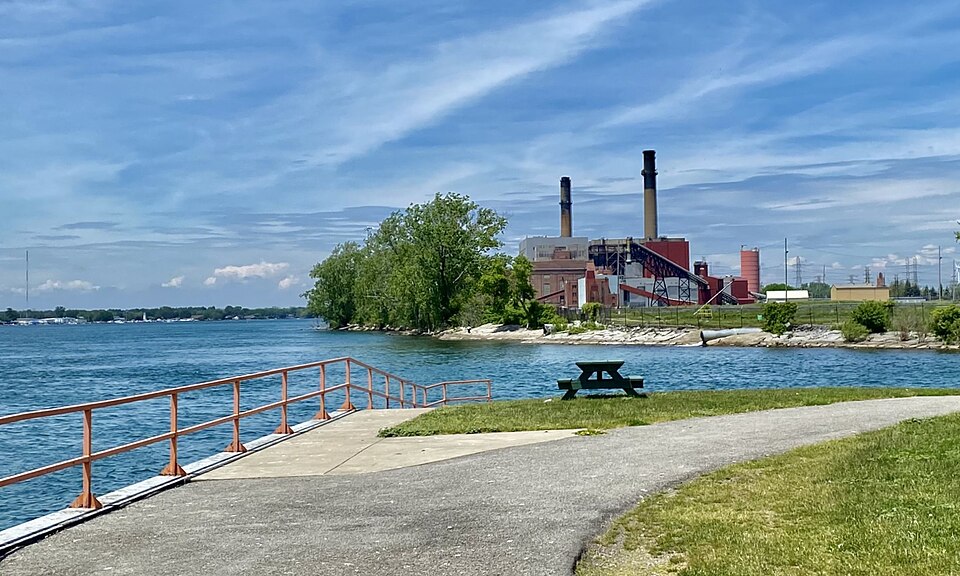
Trump Uses Emergency Powers to Keep Coal Plants Running, Raising Costs and Pollution
An Associated Press investigation details how President Donald Trump’s administration is using emergency authorities and regulatory rollbacks to halt the wave of U.S. coal‑plant retirements that was expected under Biden‑era plans and utility transition roadmaps. Officials have invoked emergency powers to keep at least five coal plants from closing, with one Michigan facility costing ratepayers about $135 million to operate for just seven extra months, while pouring millions in taxpayer funds into repairs and easing pollution limits so plants can avoid expensive upgrades. Interior Secretary Doug Burgum has stated the goal is '100% stay open, no more retirements,' as the White House argues coal is essential for grid reliability amid surging electricity demand from data centers, a claim many grid and health experts say discounts cheaper renewables and storage. The AP reports that dozens of plants collectively emit as much greenhouse gas pollution as 27 million cars and that delaying shutdowns risks dirtier air and more climate damage, even as public‑health studies continue to link coal‑plant emissions to thousands of premature deaths a year. On social media, the moves are being praised in some coal‑state and reliability circles but blasted by environmental and consumer advocates as a back‑door bailout that forces Americans to pay more for power while absorbing higher health risks.
📌 Key Facts
- Trump officials have used emergency powers to prevent five coal plants from closing that utilities had planned to retire.
- Keeping one Michigan coal plant open for roughly seven additional months cost about $135 million, a cost ultimately borne by ratepayers.
- Dozens of coal plants affected by the policy shift emit as much planet‑warming pollution as 27 million cars, and the administration is also weakening pollution limits and directing taxpayer money to plant repairs to extend their operating life.
📊 Relevant Data
Black and Asian populations experience the greatest absolute disparities in health burdens from PM2.5 and ozone pollution, which are emitted by coal plants.
The health burden and racial-ethnic disparities of air pollution in the United States — Science Advances
People of color in the US breathe more particulate air pollution on average, regardless of income levels or regions, with exposure linked to sources like coal plants.
Study Finds Exposure to Air Pollution Higher for People of Color Regardless of Region or Income — EPA Science Matters
Households in majority-Black census tracts spend 5.1% of their income on energy, compared to 3.2% for other demographics, indicating higher energy burdens.
Black Households Face Higher Heating Bills Than Other American Demographics — Carolina Journal
Utility service customers in predominately non-white communities pay higher energy prices but consume less energy compared to those in predominately white communities.
Race, rates, and energy insecurity: exploring racial disparities in electricity costs and consumption in US utility service areas — Nature Scientific Reports
US electricity demand is surging due to data centers supporting AI technology, with projections of up to 166 GW increase in peak demand over five years.
Strategic Industries Surging: Driving US Power Demand — Grid Strategies LLC
Coal generation increased by 31% during Winter Storm Fern, providing baseload power during extreme weather when renewables may underperform.
US coal generation jumped 31% during Winter Storm Fern — Utility Dive
📊 Analysis & Commentary (1)
"A WSJ opinion piece notes a bipartisan coalition of New England governors now says renewables alone can't ensure affordable, reliable power and urges a diverse strategy that includes nuclear—framing energy policy as increasingly about cost and reliability rather than emissions alone."
📰 Source Timeline (1)
Follow how coverage of this story developed over time