Pope Leo XIV’s First Easter Urbi et Orbi Urges Those Who ‘Have the Power to Unleash Wars’ to Choose Peace Amid U.S.–Israeli Iran War
In his first Easter Urbi et Orbi as pope, Leo XIV urged “Let those who have weapons lay them down! Let those who have the power to unleash wars choose peace!”—calling the risen power of Christ wholly nonviolent, condemning the “idolatry of profit” and abuses that crush the weakest, and urging dialogue rather than force while conspicuously not naming individual conflicts despite the ongoing U.S.–Israeli war with Iran and Russia’s campaign in Ukraine. He announced an April 11 prayer vigil, revived multilingual greetings and traditional Holy Week rituals, and delivered the plea against a backdrop of regional security curbs—restricted attendance at the Church of the Holy Sepulchre and Western Wall and blocked Palm Sunday celebrations—while his calls for restraint were juxtaposed with contemporaneous threats from President Trump to strike Iran.
📌 Key Facts
- Pope Leo XIV delivered his first Easter Mass and Urbi et Orbi from an open‑air altar in St. Peter’s Square decorated with white roses and spring perennials, marking his first Easter as pontiff; he greeted the faithful in 10 languages and restored traditional Holy Week rituals (washing priests’ feet on Holy Thursday and carrying the full Way of the Cross).
- In the Urbi et Orbi he explicitly urged, “Let those who have weapons lay them down! Let those who have the power to unleash wars choose peace!”, stressing that “the power with which Christ rose is entirely nonviolent,” and calling for peace through dialogue rather than force; he also condemned “the idolatry of profit” and abuses that crush the weakest as forms of death alongside the violence of war.
- Leo consciously departed from the usual Urbi et Orbi practice of naming individual conflicts or countries, omitting specific references despite ongoing wars — notably the nearly 40‑day‑long U.S.–Israeli war with Iran and Russia’s campaign in Ukraine — after having followed the traditional formula at Christmas.
- From the papal loggia he announced a global prayer vigil for peace to be held April 11 in St. Peter’s Basilica.
- News outlets and commentators sharply juxtaposed the pope’s nonviolent Easter message with President Trump’s contemporaneous, punitive threats against Iran (including vows that Iran would be “living in Hell” and profanity‑laced threats to strike Iranian power plants and bridges by a set deadline), framing the moment as dueling religiously‑tinged Easter messages and prompting criticism from Catholic and human‑rights voices online.
- U.S. political and religious reactions noted in coverage included a White House press secretary defending the president, military leaders urging Americans to pray for U.S. troops, Defense Secretary Pete Hegseth asking Americans to pray for victory “in the name of Jesus Christ,” and Trump spiritual adviser Paula White‑Cain likening Trump to Jesus Christ at a White House Easter event.
- In the Holy Land, Israeli security restrictions amid missile attacks sharply limited attendance at Easter ceremonies at the Church of the Holy Sepulchre and at the Western Wall and have dampened Ramadan, Eid al‑Fitr and Passover observances; Israeli police recently blocked two top Christian leaders, including Latin Patriarch Pierbattista Pizzaballa, from celebrating Palm Sunday, straining relations with church authorities.
- CBS framed the address by emphasizing Leo XIV as “the First American pope” and highlighted that calling for peace amid what it labeled an American war in Iran was the central theme of his first Easter as pontiff.
📊 Relevant Data
According to a Fox News poll, 59% of Catholics support the U.S. move to join Israel in the war against Iran, in a population where Catholics comprise about 20% of U.S. adults.
Iran war reinforces Evangelical support for Trump, U.S. alliance — The Crescent-News
According to a Fox News poll, 67% of white Evangelicals support the U.S. move to join Israel in the war against Iran, in a population where white Evangelicals comprise about 14% of U.S. adults.
Iran war reinforces Evangelical support for Trump, U.S. alliance — The Crescent-News
According to a Fox News poll, 58% of mainline Protestants support the U.S. move to join Israel in the war against Iran, in a population where mainline Protestants comprise about 8% of U.S. adults.
Iran war reinforces Evangelical support for Trump, U.S. alliance — The Crescent-News
📰 Source Timeline (6)
Follow how coverage of this story developed over time
- CBS frames the address specifically as "Pope Leo, the First American pope, called for peace amid an American war in Iran," emphasizing his American identity and directly labeling it an American war.
- The segment focuses on the fact that this is his first Easter as pontiff and highlights that peace in the context of the U.S. war in Iran was the central theme.
- The piece is a concise broadcast hit that reinforces, rather than expands, the already reported themes of his Easter message.
- Axios juxtaposes Pope Leo XIV’s Easter Urbi et Orbi peace message directly with President Trump’s contemporaneous vow that Iran would be 'living in Hell' and his public threats to strike Iranian power plants and bridges by a specific Tuesday deadline.
- The piece frames the contrast as a dueling Easter message: the Pope calling for nonviolent solutions and restraint, while Trump doubles down on punitive, infrastructure-focused military threats.
- It further clarifies that these clashing messages landed on the same religious holiday, sharpening criticism from Catholic and human-rights voices online about the moral framing of the Iran war.
- This article quotes Pope Leo’s Easter Urbi et Orbi line directed at 'those who have the power to unleash wars' and expands on his call for peace 'not a peace imposed by force, but through dialogue.'
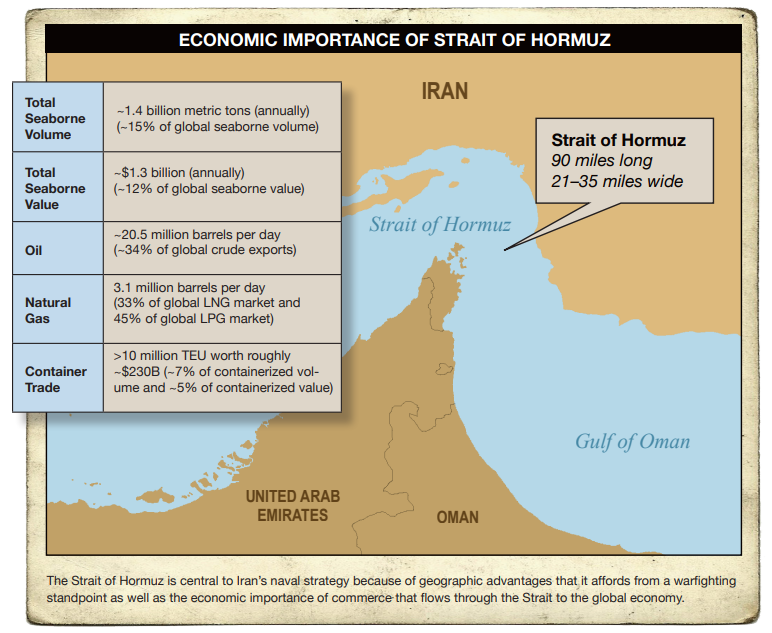
- It tightly time-stamps his remarks as coming nearly 40 days into the U.S.–Israeli war with Iran and explicitly frames them against President Trump’s profanity-laced Easter threat to bomb Iranian power plants and bridges if the Strait of Hormuz is not reopened.
- The piece recounts that in a Palm Sunday homily Pope Leo said God 'does not listen to the prayers of those who wage war,' and includes the White House press secretary’s response defending Trump and military leaders calling on Americans to pray for U.S. troops.
- It adds context that Defense Secretary Pete Hegseth has asked Americans to pray for victory 'in the name of Jesus Christ,' and that Trump spiritual adviser Paula White‑Cain likened Trump to Jesus Christ at an April 1 White House Easter lunch, explicitly tying attempts on his life and indictments to Christ’s suffering.
- Leo XIV used his first Easter Urbi et Orbi to explicitly urge, "Let those who have weapons lay them down! Let those who have the power to unleash wars choose peace!" while calling for peace through dialogue rather than force.
- He consciously departed from tradition by not listing individual conflicts or countries by name in the Urbi et Orbi, despite the ongoing U.S.–Israeli war on Iran and Russia’s campaign in Ukraine, after having followed the traditional formula at Christmas.
- From the loggia, he announced a specific prayer vigil for peace to be held April 11 in St. Peter’s Basilica.
- Leo greeted the global faithful in 10 languages, including Arabic, Chinese and Latin, reviving a practice that Pope Francis had let lapse.
- During Holy Week he restored more traditional rituals, including washing priests’ feet on Holy Thursday and personally carrying the wooden cross through all 14 stations of the Way of the Cross.
- Details that the remarks come in Pope Leo XIV’s first Easter Mass homily as pontiff, delivered from an open‑air altar in St. Peter’s Square decorated with white roses and spring perennials.
- Direct quotations from the homily stressing that ‘the power with which Christ rose is entirely nonviolent’ and that it ‘does not seek private interests, but the common good; it does not seek to impose its own plan.’
- Specific language condemning ‘the idolatry of profit that plunders the earth’s resources’ and ‘abuses that crush the weakest among us’ as forms of ‘death’ alongside ‘the violence of war that kills and destroys.’
- Description of Israeli security restrictions sharply limiting attendance at Easter ceremonies at the Church of the Holy Sepulchre and at the Western Wall priestly blessing due to ongoing missile attacks, and note that these curbs have also dampened Ramadan, Eid al‑Fitr, and Passover observances.
- Report that Israeli police recently blocked two top Christian leaders, including Latin Patriarch Pierbattista Pizzaballa, from celebrating Palm Sunday at the Church of the Holy Sepulchre, straining relations with church authorities.