Colorado House Passes Conversion‑Therapy Lawsuit Bill After Supreme Court Limits State Ban
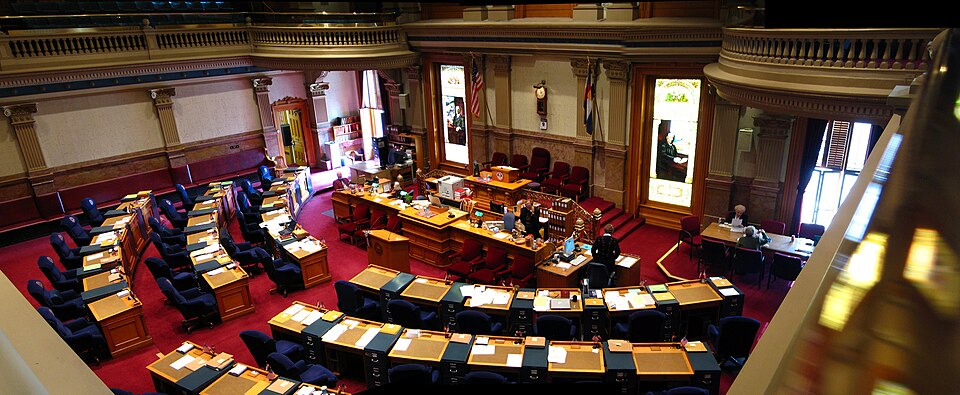
The Democratic-controlled Colorado House has passed HB26-1322, a bill that would let people sue licensed mental health professionals and their employers for harm caused by efforts to change a person’s sexual orientation or gender identity, effectively creating a civil-liability path for conversion therapy claims. The vote comes just days after the U.S. Supreme Court, in an 8–1 decision, blocked Colorado from enforcing its existing conversion-therapy ban as applied to conversations with LGBTQ minors, finding the law likely violated the First Amendment by favoring affirming viewpoints over change-oriented ones. Sponsors Reps. Alex Valdez and Karen McCormick defended the new measure as necessary to protect LGBTQ Coloradans from what they call an "ineffective and harmful" practice, while Republican Rep. Matt Soper told Fox News Digital the bill is a "slap in the face" to the Supreme Court and a de facto attempt to revive the ban. The bill, which could expose providers and supervising entities to significant financial liability even years after treatment, now heads to Colorado’s Democratic-controlled Senate. The clash is already being framed online as a test case for how far states can go in regulating or deterring conversion therapy through tort law after direct bans run into First Amendment limits.
📌 Key Facts
- The Colorado House passed HB26-1322 creating a civil cause of action against licensed mental health professionals and their employers for harms from conversion therapy.
- The move follows an 8–1 U.S. Supreme Court ruling that Colorado’s existing conversion-therapy ban likely violates the First Amendment as applied to counselor conversations with LGBTQ minors.
- Republican Rep. Matt Soper calls the bill a "slap in the face" to the Supreme Court and a "de facto ban," while Democratic sponsors Alex Valdez and Karen McCormick say conversion therapy is "ineffective and harmful" and that Colorado must still protect LGBTQ residents.
- The bill allows lawsuits to be filed years after therapy occurred and could impose substantial financial liability on providers and institutions that hired or supervised them.
📊 Relevant Data
Lifetime exposure to conversion practices among sexual and gender minority participants in the US is 5.7% overall, with higher rates among minoritized ethnoracial transgender/nonbinary individuals at 8.6%, compared to 6.3% for White transgender/nonbinary, 4.5% for minoritized ethnoracial cisgender, and serving as reference for White cisgender.
Inequities in Conversion Practice Exposure at the Intersection of Ethnoracial and Gender Identities — American Journal of Public Health
Among subgroups, exposure to conversion practices is highest among American Indian or Alaska Native transgender/nonbinary individuals at 19.0%.
Inequities in Conversion Practice Exposure at the Intersection of Ethnoracial and Gender Identities — American Journal of Public Health
Minoritized ethnoracial transgender/nonbinary individuals experience the earliest mean age of first exposure to conversion practices at 16.8 years, compared to the overall mean of 18.4 years.
Inequities in Conversion Practice Exposure at the Intersection of Ethnoracial and Gender Identities — American Journal of Public Health
Nearly 700,000 LGBT adults in the US have received conversion therapy, with half of them as adolescents.
Nearly 700,000 LGBT adults in the US have received conversion therapy, half of them as adolescents — Williams Institute
Young adults aged 18 to 24 are significantly more likely to identify as transgender (2.7%) than those aged 35 to 64 (0.4%) and those aged 65 and older (0.1%).
New estimate: 2.8 million people aged 13 and older identify as transgender in the US — Williams Institute
Transgender identification among US adults declined from 2.5% in 2020 to 1% in 2024.
The Sharp Decline in Transgender Identification Among Young Adults — Graphs About Religion
Genetic contributions to gender identity range from 0.00 to 0.84, non-shared environmental contributions from 0.15 to 0.96, and shared environmental from 0.00 to 0.47 based on twin studies.
Genetic and Environmental Contributions To Gender Diversity — PMC
📰 Source Timeline (1)
Follow how coverage of this story developed over time