Amazon Adds 3.5% Fuel Surcharge for U.S., Canada Marketplace Sellers
Amazon says it will begin charging a 3.5% “fuel and logistics” surcharge to many third‑party sellers using its Fulfillment by Amazon service starting April 17, 2026, citing sharply higher fuel and transport costs since the Iran war began. The temporary fee will apply to U.S. and Canadian sellers who use FBA, and will extend on May 2 to merchants using Buy with Prime and Multi‑Channel Fulfillment. Amazon told the Associated Press it has absorbed higher logistics expenses so far but, like UPS, FedEx and the U.S. Postal Service—which just imposed an 8% fuel surcharge through January 2027—it is now passing part of those costs on, while insisting its surcharge is lower than rivals’. The move underscores how a distant conflict that has driven oil above $100 a barrel is starting to show up in e‑commerce supply chains, putting pressure on small and midsize online businesses that rely on Amazon’s network. Sellers and retail analysts online are already warning that at least some of the added costs are likely to be pushed through into consumer prices, tightening the squeeze on household budgets already hit by Iran‑war‑related fuel and airfare hikes.
📌 Key Facts
- Amazon will impose a 3.5% fuel and logistics surcharge on many third‑party sellers using Fulfillment by Amazon starting April 17, 2026.
- The surcharge will also apply to sellers using Buy with Prime and Multi‑Channel Fulfillment beginning May 2, 2026.
- Amazon links the move to elevated fuel and logistics costs since the Iran war, and notes that UPS, FedEx and USPS have also raised or added fuel surcharges, with USPS imposing an 8% surcharge through January 17, 2027.
📊 Relevant Data
In 2023, Black Americans represented 3.4% of employer business owners, despite comprising 14.4% of the U.S. population, indicating underrepresentation in business ownership.
Black employers are reaching new heights — Brookings Institution
Black households in the US bear an additional $1.6 billion in annual energy expenditures compared to what would be expected based on socio-economic factors, reflecting racial disparities in energy costs.
Racial disparities in the energy burden beyond socio-economic inequality — ScienceDirect
Black and Latino households pay 13–18% more on average for energy per square foot of housing compared to White households, based on 2025 data.
Race, rates, and energy insecurity: exploring racial disparities in residential electricity pricing — Nature
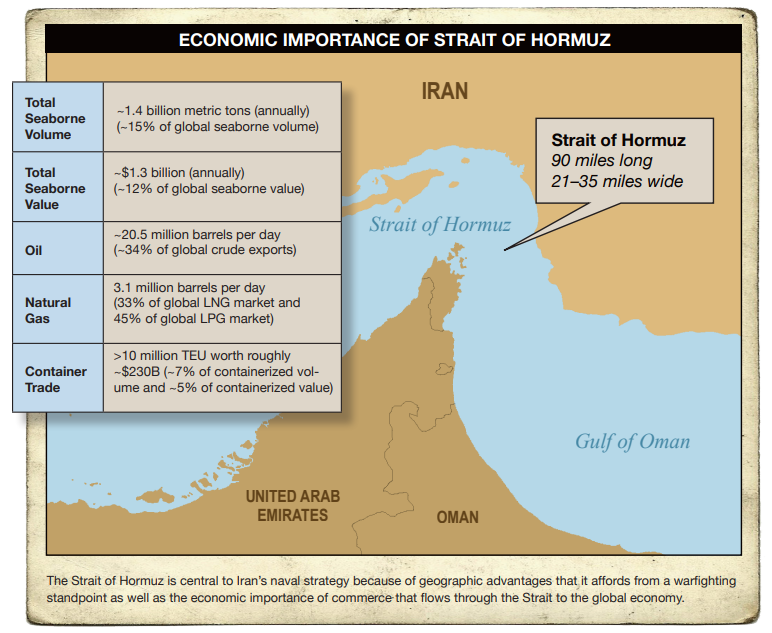
Geopolitical conflicts, such as the war in Iran, have led to U.S. gas prices topping $4 nationwide, disrupting oil supply and echoing past shocks like the 2022 Ukraine invasion which increased prices by over 50% in some periods.
Gas prices top $4 nationwide as Iran war disrupts oil supply — MLive
📰 Source Timeline (1)
Follow how coverage of this story developed over time