Trump Publicly Floats Possible U.S. Action and Regime Change Pressure on Cuba
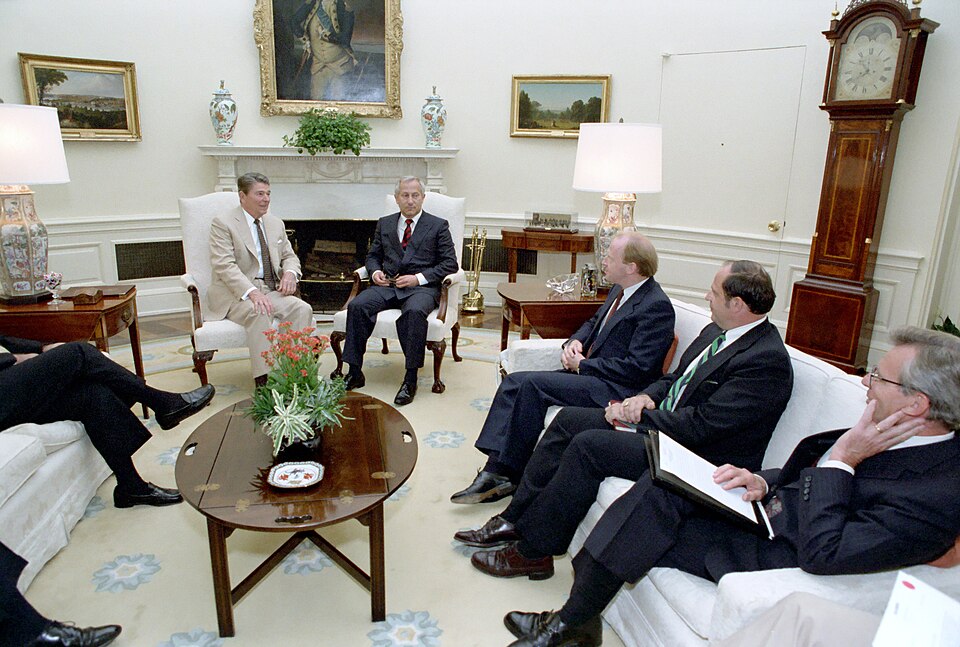
CBS reports that President Donald Trump has repeatedly dangled the prospect of U.S. 'action' against Cuba in the wake of his administration’s capture of Venezuelan President Nicolás Maduro and the U.S. strike that killed Iran’s Ali Khamenei, telling reporters in the Oval Office on March 16 that he believes he would have 'the honor of taking Cuba' and could 'do anything I want with it.' Standing alongside him, Secretary of State Marco Rubio has been more explicit about desired outcomes, testifying to Congress that 'we would love to see the regime there change' and later saying Cuba’s failed economy requires 'new people in charge' and a different system of government. The article notes the administration is already trying to choke Havana’s finances with an oil blockade that experts say has produced the island’s worst economic crisis since the Soviet collapse, while Cuban officials insist regime change is 'absolutely' off the table even as Deputy Foreign Minister Carlos Fernández de Cossío says the military is 'prepared' for any U.S. aggression. Regional analysts quoted by CBS argue that a direct military intervention would be far riskier than operations in Venezuela and that the more plausible path is intensified economic pressure and 'regime management,' using the threat of collapse and sanctions to force reforms or leadership change. The rhetoric is fueling online speculation and anxiety in Cuban‑American communities and among foreign‑policy watchers about whether Trump is serious or saber‑rattling, and how close the U.S. is willing to push a confrontation with a long‑entrenched authoritarian neighbor.
📌 Key Facts
- On March 16 in the Oval Office, Trump said he believed he would have 'the honor of taking Cuba' and that he could 'do anything I want with it.'
- Secretary of State Marco Rubio has told Congress 'we would love to see the regime there change' and said in March that Cuba must 'change dramatically' and put 'new people in charge.'
- The Trump administration is already applying an oil blockade that experts say has driven Cuba into its worst economic crisis since the post‑Soviet 'special period.'
- Cuban Deputy Foreign Minister Carlos Fernández de Cossío told NBC that Cuba does not see a U.S. attack as 'probable' but that its military is 'prepared' and that regime change is 'absolutely' off the table.
- Experts interviewed by CBS believe full‑scale U.S. military intervention is unlikely and say the more realistic scenario is economic pressure and negotiated 'regime management' rather than outright regime overthrow.
📊 Relevant Data
Between 2022 and September 2024, more than 850,000 Cuban migrants arrived in the United States, constituting an 18 percent out-migration from Cuba's population, driven by economic crises intensified by U.S. sanctions.
Rethinking US Sanctions in the Americas — Journal of Quantitative Analysis in Sports
Recent Cuban migrants to the U.S. are disproportionately composed of individuals aged 20 to 40 years, with increasing numbers of women and children, contributing to accelerated population aging and loss of productive labor force in Cuba.
Cuban Migration is Changing, the U.S. Must Take Note — Washington Office on Latin America (WOLA)
In Cuba, White individuals are underrepresented in the prison population at 59% below expected rates based on demographics, while Black and mixed-race individuals experience higher incarceration rates, with Cuba's population estimated at 62% Black by U.S. State Department figures and up to 72% non-White by Cuban scholars.
Incarceration and racism in the Americas: Notes for future comparative research — Sage Journals
U.S. sanctions have been a root cause of Cuba's economic downturn since 2021, leading to a migration exodus of nearly 600,000 Cubans attempting entry to the U.S., surpassing historical waves like the 1960s refugee flow and 1980 Mariel boatlift.
U.S. Sanctions: A Root Cause of Cuban Migration — Alliance for Cuba Engagement and Respect (ACERE)
📰 Source Timeline (1)
Follow how coverage of this story developed over time