United Raises Checked‑Bag Fees Citing Iran War Fuel Squeeze
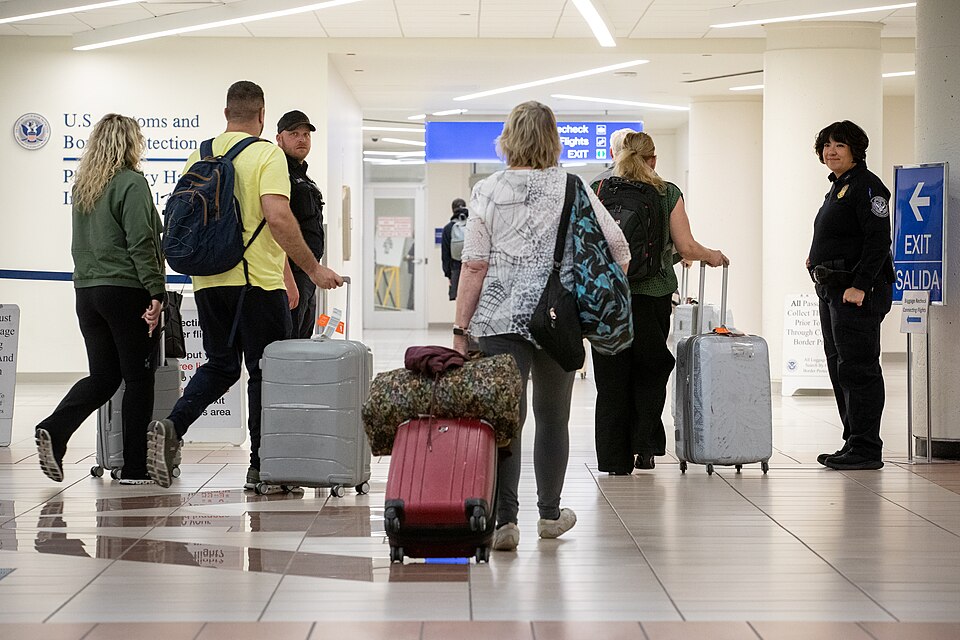
United Airlines is increasing its checked‑baggage fees by $10 each for first and second bags on flights within the U.S., Mexico, Canada and Latin America for tickets purchased on or after Friday, April 3, making the first bag $45 if paid in advance ($50 within 24 hours of departure) and the second $55/$60. The move makes United the second major U.S. carrier this week to hike bag fees after JetBlue, and comes as airlines face sharply higher fuel costs tied to the Iran war, the effective closure of the Strait of Hormuz and a resulting spike in oil prices. Brent crude rose about 7.7% to $109 a barrel and U.S. benchmark crude nearly 11.9% to $111.81 after President Trump’s latest remarks on the conflict, pressures United CEO Scott Kirby says have already pushed the airline’s base fares up 15%–20% over the past month. United notes that United Chase credit‑card holders, MileagePlus Premier members, active military personnel and premium‑cabin customers can still check one bag for free, and says this is its first bag‑fee increase in two years. The change highlights how war‑driven energy shocks are showing up directly in routine travel costs for U.S. consumers, fueling growing online frustration over airlines’ layered fees.
📌 Key Facts
- United is raising first checked‑bag fees to $45 if paid ahead and $50 within 24 hours, and second‑bag fees to $55/$60, on U.S., Mexico, Canada and Latin America routes.
- The new prices apply only to customers who bought tickets on or after Friday, April 3; existing tickets are exempt.
- Brent crude has jumped to about $109 and U.S. crude to roughly $111.81 per barrel amid the Iran war and Strait of Hormuz disruptions, with United’s CEO saying airfares have risen 15%–20% over the past month in response.
📊 Relevant Data
As of December 2024, 21.4% of active-duty Army soldiers were Black or African American, compared to approximately 13.6% of the U.S. population, indicating an overrepresentation.
How many people are in the US military? A demographic overview — USA Facts
Black and Latino households pay 13-18% more on average for energy per square foot of housing compared to White households, based on 2025 data.
Race, rates, and energy insecurity: exploring racial disparities in electricity costs and consumption in US utility service areas — Nature Scientific Reports
Black households in the US bear an additional $1.6 billion annually in energy expenditures compared to what would be expected after controlling for socio-economic factors, according to a 2023 study.
Racial disparities in the energy burden beyond socio-economic inequality — Energy Economics
📰 Source Timeline (1)
Follow how coverage of this story developed over time