Powell Says Fed Has Not Yet Decided How to Treat Iran War Energy Shock
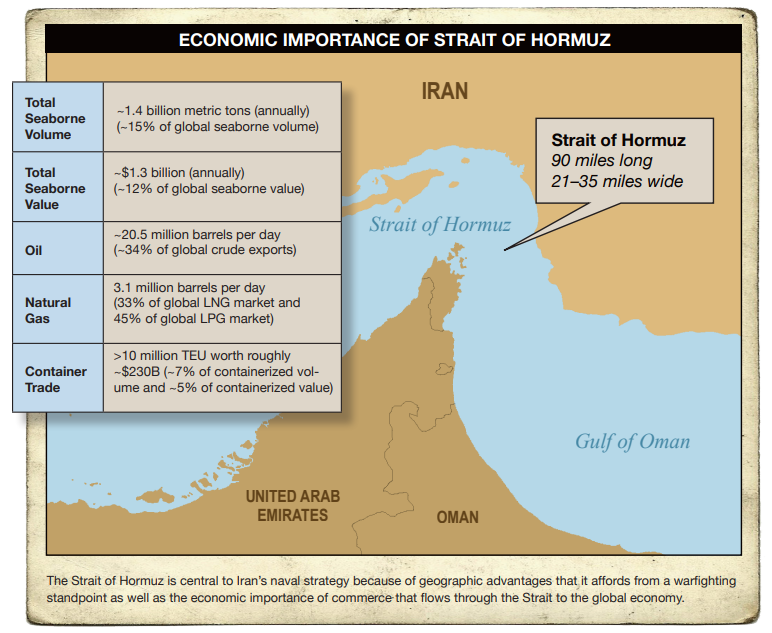
Federal Reserve chair Jerome Powell told Harvard economics students Monday that the Fed has not yet reached the point where it must decide whether to "look through" the inflation impact of the Iran war–driven energy shock, saying policymakers first need clearer evidence of the economic effects. He said the central bank views its current policy stance as appropriately positioned to "wait and see" and emphasized that, although post‑pandemic inflation has moved closer to the 2% target, it has not yet been sustained there. Powell added that Americans’ medium‑ and long‑term inflation expectations appear "well‑anchored," reducing immediate pressure for a policy shift despite oil‑ and fuel‑price spikes tied to the conflict. In a veiled message on central‑bank independence as his successor‑designate Kevin Warsh awaits Senate confirmation, Powell warned that administrations frequently want to use the Fed’s tools for other purposes and said it is "very, very important to stick to your knitting" and to the institution’s assigned mandate. His remarks come as markets obsess over whether the Fed will treat war‑related price jumps as temporary supply shocks or as a reason to keep rates higher for longer, a debate that is already fueling heated commentary online from investors and political partisans looking to blame either the Fed or the White House for rising costs.
📌 Key Facts
- Powell said the Fed is "not really facing" the decision yet on whether to "look through" the Iran war energy shock because the economic effects are still uncertain.
- He stated that policy is in a "good place" to wait and see, noting inflation has approached but not durably reached the 2% target and that longer‑term inflation expectations remain "well‑anchored."
- Powell cautioned that administrations often try to use the Fed’s tools for non‑mandate purposes and stressed the importance of central‑bank independence as his successor‑designate Kevin Warsh awaits confirmation.
📰 Source Timeline (1)
Follow how coverage of this story developed over time