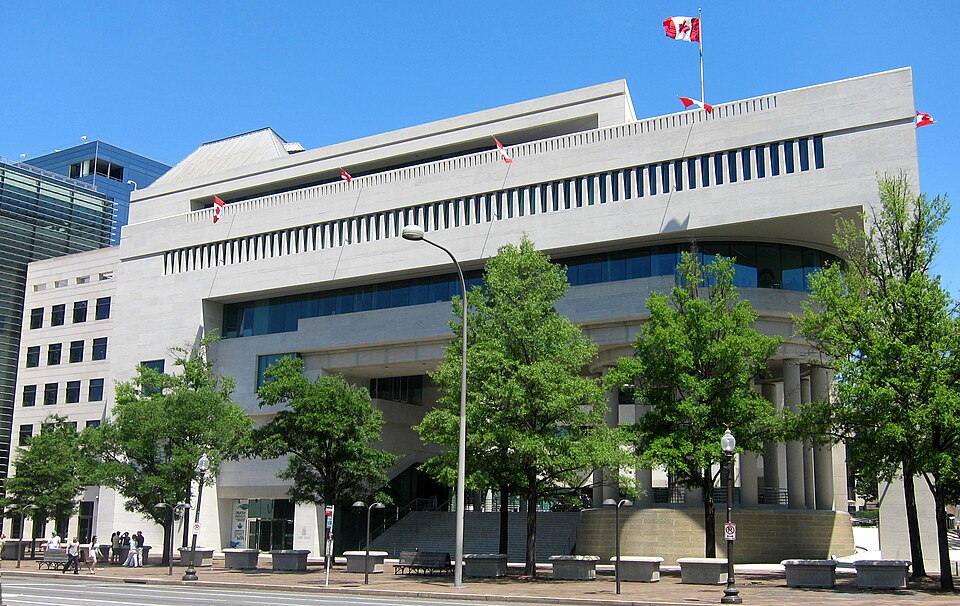
U.S. Fully Reopens Caracas Embassy After Trump‑Led Maduro Removal, Advancing Three‑Phase Venezuela Plan
On March 30, 2026 the State Department formally resumed operations at the U.S. Embassy in Caracas — which had been closed for seven years — calling the move a "key milestone" in President Trump’s three‑phase plan for Venezuela. A small U.S. team has been on the ground (with chargé d’affaires Laura F. Dogu leading efforts) to repair the chancery, including mold remediation, and restore full staffing and consular services, which are temporarily being handled out of Bogotá amid U.S. recognition of interim authorities led by Delcy Rodríguez following Maduro’s removal.
📌 Key Facts
- On March 30, 2026, the State Department formally resumed normal operations at the U.S. Embassy in Caracas, calling the reopening a key milestone in implementing President Trump’s three‑phase plan for Venezuela; the embassy posted a Spanish‑language message describing it as a new chapter in bilateral ties.
- The Caracas embassy had been closed for seven years (dating to Trump’s first term) and required substantial repairs, including mold remediation; consular services are still being handled out of the U.S. Embassy in Bogotá until the consular section in Caracas is restored.
- A small team of U.S. diplomats has been in Caracas for more than a month and held a flag‑raising ceremony on March 14 as part of the reestablishment of the mission.
- Ambassador Laura F. Dogu arrived in Caracas in January as chargé d’affaires, is leading efforts to restore the chancery and recently led a U.S. delegation (including Interior Secretary Doug Burgum and senior White House, State and Treasury officials) focused on establishing a legitimate mining sector and securing critical supply chains under the administration’s plan.
- The Trump administration has formally recognized interim authorities headed by former vice president Delcy Rodríguez, who has consolidated power following Nicolás Maduro’s January capture in a U.S. raid; the administration says Rodríguez has opened Venezuela’s oil sector to U.S. investment and enacted a limited prisoner amnesty criticized by human‑rights groups.
- The administration emphasizes economic gains from the operation — Trump has described the arrangement as 'sort of like a joint venture,' claimed millions of barrels of Venezuelan oil are being shipped to U.S. refineries, and said the U.S. 'will run' Venezuela until an approved transfer of power — framing financial benefits as a selling point for the diplomatic shift.
- Nicolás Maduro and his wife, Cilia Flores, have appeared in U.S. federal court on narco‑terrorism conspiracy and drug‑trafficking charges and pleaded not guilty.
- U.S. forces have targeted dozens of boats off Venezuela’s coast as alleged drug‑smuggling vessels and have intercepted oil tankers, though officials have not publicly produced evidence that those boats were carrying narcotics.
📊 Relevant Data
As of 2024, an estimated 1 million immigrants from Venezuela lived in the United States, representing a 28% increase from 2023, with the population more than doubling since 2019 to about 1.2 million by early 2026.
Most of the 1 million Venezuelans in the United States arrived within the past decade — The Conversation
Venezuelan immigrants in the U.S. have higher educational attainment, with 54% holding a bachelor's degree or higher in 2023, compared to 33% of all U.S. immigrants and 36% of the U.S.-born population.
Venezuelan Immigrants in the United States — Migration Policy Institute
U.S.-led sanctions on Venezuela caused the country to lose oil revenue equivalent to 213% of its GDP between January 2019 and December 2024, contributing to economic collapse and increased migration.
They Are Making Venezuela's Economy Scream: The Eighteenth Newsletter (2025) — Tricontinental: Institute for Social Research
In a January 2026 poll, 33% of Americans approved of the U.S. military action in Venezuela to remove Maduro, with approval at 60% among Republicans compared to 15% among Democrats, and no significant racial breakdowns reported.
A third of Americans support US strike on Venezuela, Reuters/Ipsos poll finds — Reuters
Venezuela's oil production could increase under U.S. involvement, with potential exports to the U.S. worth $2 billion as discussed in early 2026 agreements, following a decline to under 1 million barrels per day due to sanctions and mismanagement.
Venezuela to export $2 billion worth of oil to US in deal with Trump administration — Reuters
📰 Source Timeline (5)
Follow how coverage of this story developed over time
- State Department says that as of March 30, 2026, the U.S. has formally resumed normal operations at its embassy in Caracas after a seven‑year closure.
- A small team of U.S. diplomats, previously based in neighboring Colombia, has been on the ground in Caracas for more than a month and held a flag‑raising ceremony on March 14.
- The building required significant repair, including mold remediation, before reopening, and consular services are still being handled out of the U.S. Embassy in Bogotá until the consular section in Caracas is restored.
- The department explicitly frames the reopening as a 'key milestone' in implementing President Trump’s three‑phase plan for Venezuela and as marking 'a new chapter' in the U.S. diplomatic presence there.
- PBS confirms the U.S. formally reopened its embassy in Caracas on Monday, marking it as a current diplomatic milestone.
- The segment notes that the embassy has been closed for seven years, dating back to Trump’s first term, and is in need of substantial repairs.
- U.S. officials released a Spanish-language social media video from the embassy touting a "new chapter" in the bilateral relationship.
- State Department on March 30, 2026, formally announced that the U.S. Embassy in Caracas is once again operational and framed the move as a 'key milestone' in implementing Trump’s three‑phase plan for Venezuela.
- The Trump administration explicitly recognized Venezuela’s interim authorities headed by former vice president Delcy Rodríguez as the country’s legitimate government when re-establishing diplomatic ties.
- Trump previously said the U.S. 'will run' Venezuela until an 'approved transfer of power' occurs, spelling out a U.S. overseer role in the transition.
- Maduro and his wife Cilia Flores have made a second appearance in U.S. federal court on narco‑terrorism conspiracy and drug‑trafficking charges and entered not‑guilty pleas.
- The article notes U.S. forces targeted dozens of boats off Venezuela’s coast as alleged drug‑smuggling vessels and have intercepted oil tankers, but that the military has not provided evidence those boats were actually carrying narcotics.
- Trump claims that 'millions of barrels of oil are being taken out' of Venezuela and shipped to refineries in Houston and elsewhere, which he portrays as a mutually beneficial arrangement with Rodríguez’s interim government.
- Confirms that the State Department has now formally resumed operations at the U.S. Embassy in Caracas and frames this as a 'key milestone' in implementing President Trump’s three‑phase plan for Venezuela.
- Identifies U.S. Ambassador Laura F. Dogu as having arrived in Caracas as chargé d’affaires in January and now leading the effort to restore the chancery building for a full return of personnel and eventual resumption of consular services, with no firm public timeline yet.
- Clarifies that Acting President Delcy Rodríguez is consolidating power after Nicolás Maduro’s January capture in a U.S. raid and notes that Trump has praised Rodríguez for opening Venezuela’s oil sector to U.S. investment and for a limited prisoner amnesty criticized by human‑rights groups.
- Reports that Dogu recently led a U.S. delegation to Venezuela with Interior Secretary Doug Burgum and senior White House, State and Treasury officials, with a stated focus on establishing a 'legitimate mining sector' and 'securing critical supply chains' as part of Trump’s three‑phase plan.
- Quotes Trump calling Venezuela’s current situation 'sort of like a joint venture' and claiming 'the United States has made a lot of money,' underscoring that U.S. economic gains are a key administration selling point for the operation and diplomatic shift.